Basements in West Bloomfield, the lake township
People here call it the lake township of Oakland County, and it earns the name. About an eighth of West Bloomfield is water. Pine Lake sits entirely inside the township, Cass Lake (the biggest in the county) laps over the northern edge, and Walnut, Orchard and the Straits lakes fill in the gaps. When we get a call from here, the first thing we want to know is how far the house is from the nearest shoreline and how high it sits above it.
That one fact decides most of what follows.
Lakefront lots and a water table that moves
On a lakefront lot, the lake sets the groundwater level. In a wet spring the water under your yard can rise to within a few feet of the surface, and a basement floor that was dry in August is suddenly sitting in it. That’s why lakefront basements tend to leak at the bottom, at the joint where the wall meets the floor or up through cracks in the slab, rather than through the middle of the wall.
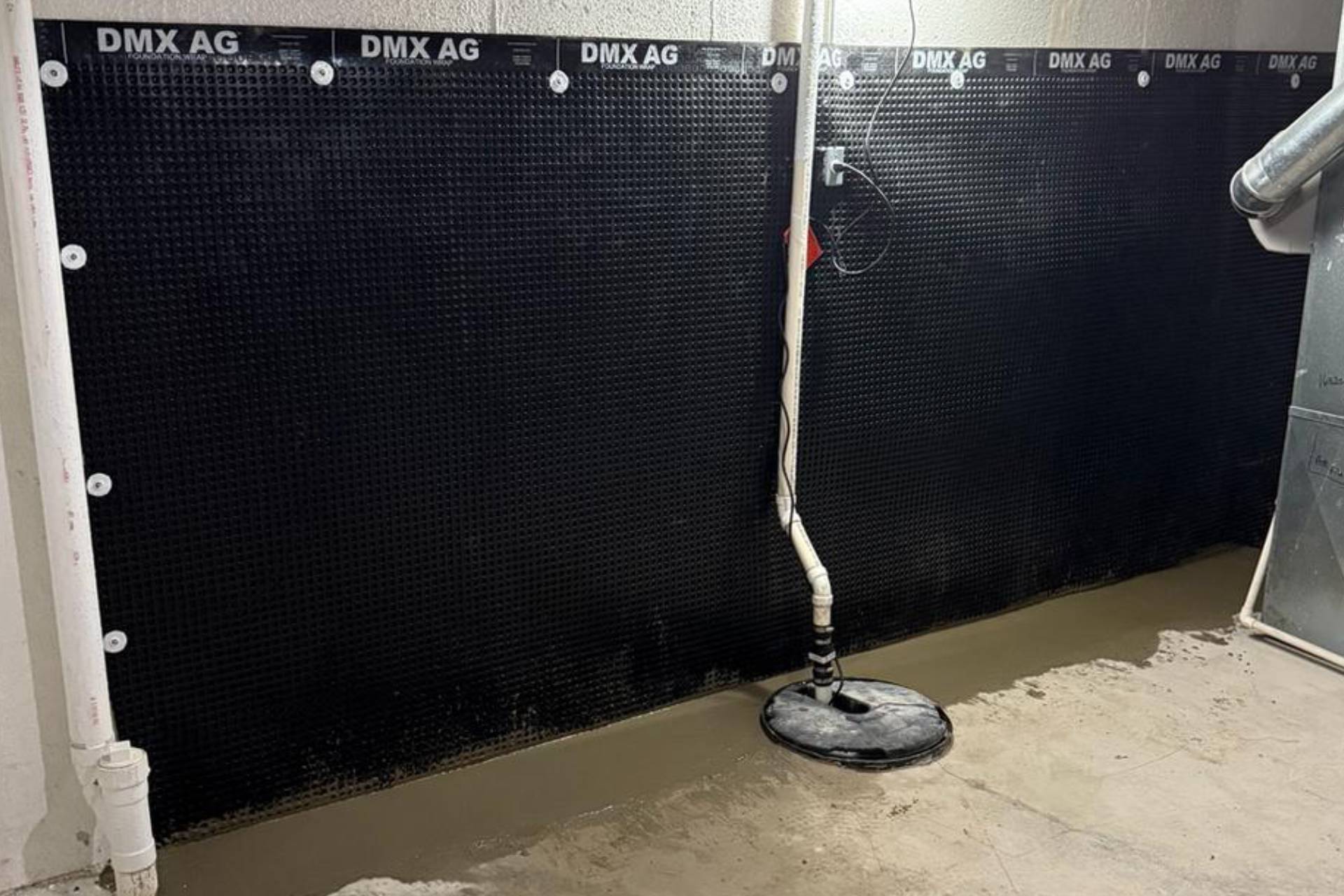
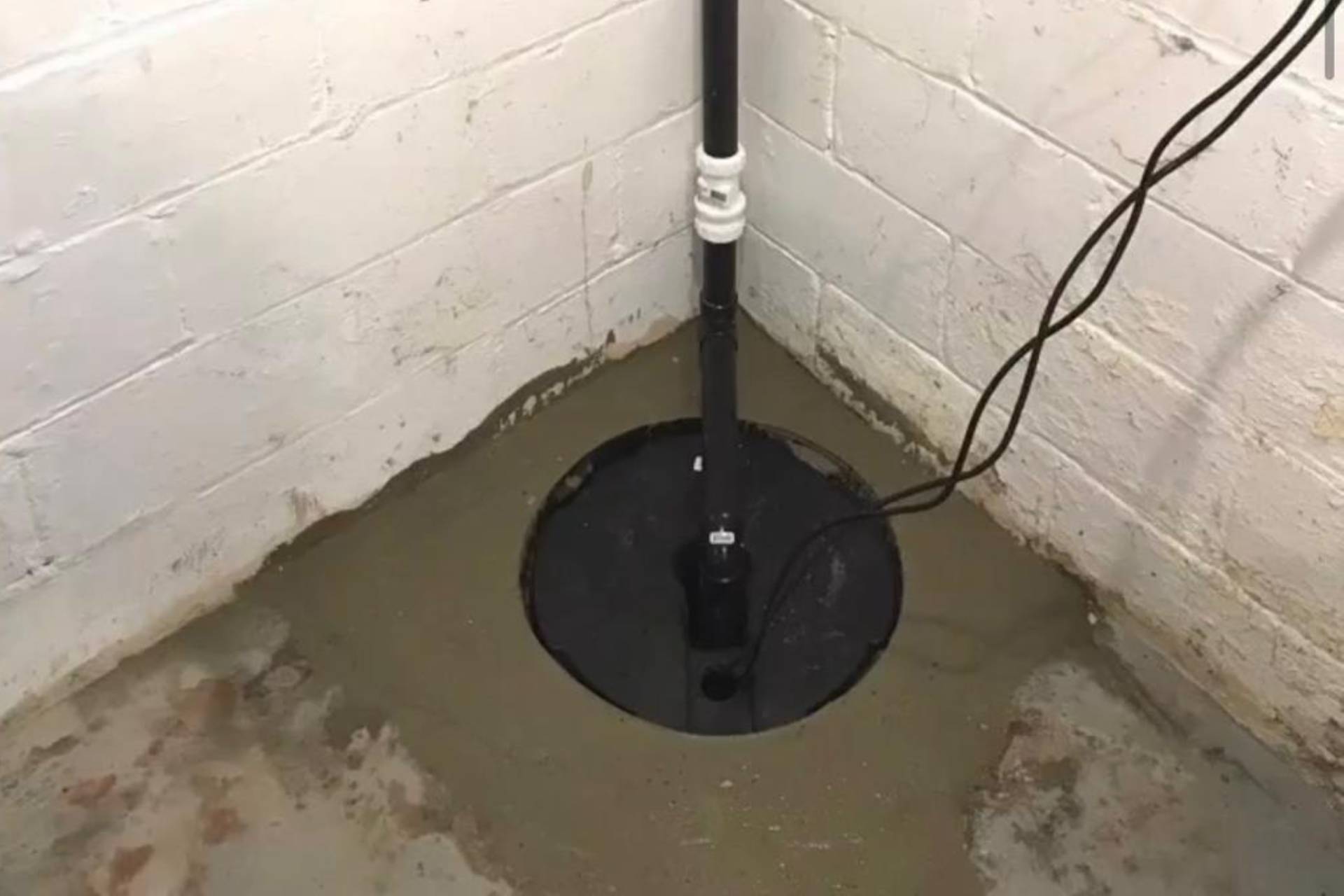
You can’t seal your way out of that. Pressure from below just finds the next weak spot. What works is giving the water somewhere to go, which means drain tile around the inside of the footing, a sump that can keep up, and a plan for when the power goes out. Our interior waterproofing page goes into how that system is put together.
A lot of the older lakefront houses here started life as summer cottages and were winterized, added onto, and then added onto again. Those are the ones with three different foundations under one roof, and the seams between them are where water shows up first.
The subdivisions back from the water
Most of West Bloomfield’s growth came after the 1960s, when families moved out from the inner-ring suburbs and the old apple orchards turned into subdivisions along Maple, Orchard Lake Road and the roads between. Those houses are now forty to sixty years old. The early ones mostly have concrete block basements, which let water in through the mortar joints and fill up the hollow cores. The later ones are poured concrete, which is tighter but cracks as it cures and leaks at the tie-rod holes.
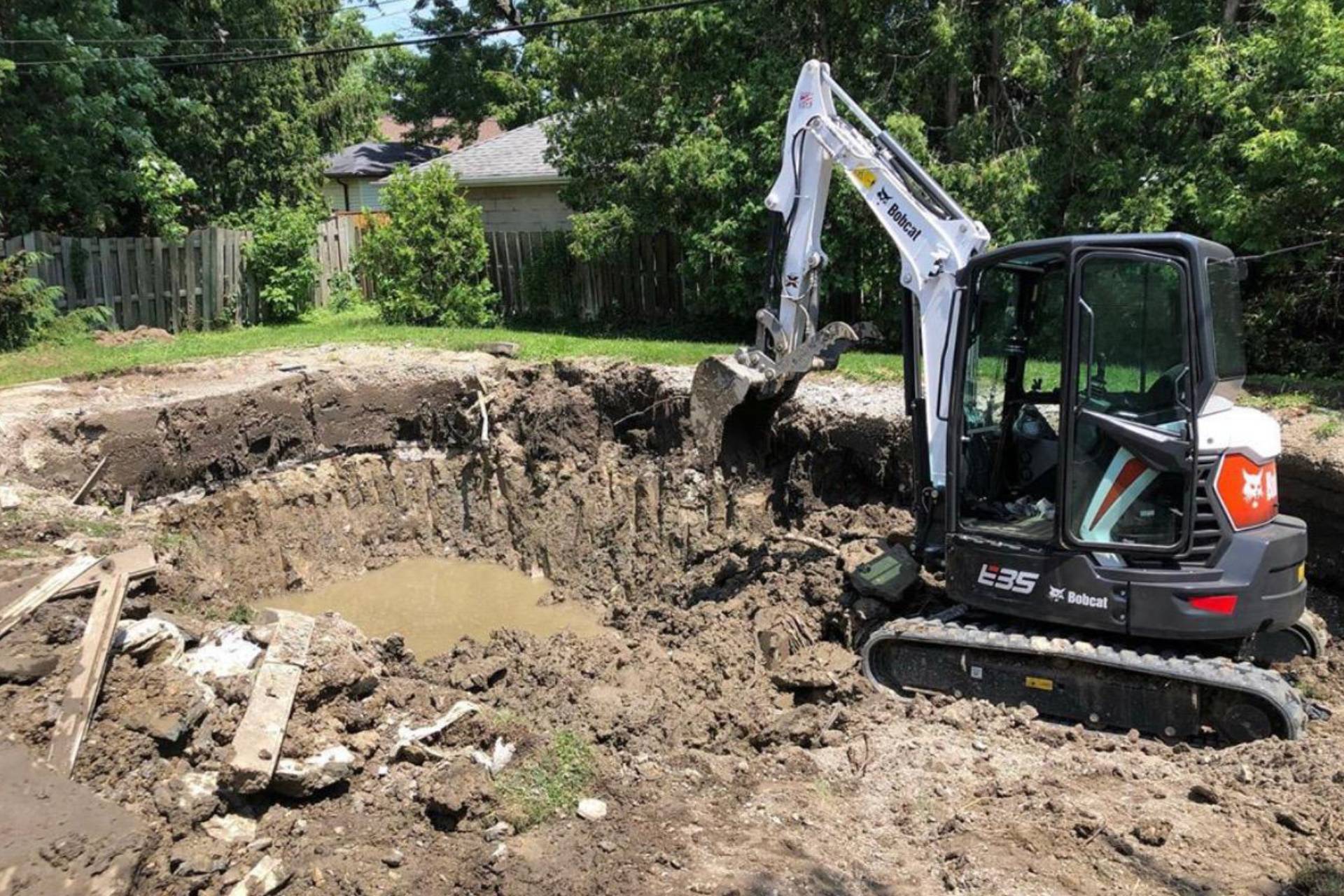
Many of those subdivisions were laid out around wetlands and low spots. Builders graded them, but the ground still wants to hold water, and fifty years of settling backfill often leaves the soil sloping toward the house instead of away. Before we quote a drainage system on one of these, we walk the yard, in the rain if we can. Sometimes the fix is a downspout run out twenty feet and a few yards of topsoil, and we’ll say so. That kind of work is on our exterior drainage page.
Westacres is its own story
Up near Commerce and Keith roads, Westacres went up in 1936 as about 150 homes for auto workers, each on roughly an acre so families could grow some of their own food. Senator James Couzens put his own money into it. Those basements are older and plainer than anything else in the township, and whatever drainage went in under them has had ninety years to silt up.
We treat a Westacres house the way we’d treat a prewar house anywhere. Look at the walls first. Then decide between adding drain tile inside and digging.
A few honest things before you call anyone
A damp smell and a little white crust on block walls isn’t an emergency. A crack that leaks after every rain is worth fixing, and on poured walls an injection usually does it. Water coming up across the whole floor in April is a water table problem and needs a sump system, not a coat of sealer.
And if you’re on a lake, a backup pump isn’t optional. The storms that knock the power out around here are the same ones that fill your pit.
We’re about 40 minutes from West Bloomfield. The estimate is free, and we’d rather tell you to fix a gutter than sell you a system you don’t need.