Washington Township is where the suburbs meet the orchards
Washington Township is a different place than it was. In 1990 about 13,000 people lived here. By 2020 it was over 28,000. You can still buy peaches at Westview Orchards on Van Dyke, a farm with roots back to 1813, or pick apples on 32 Mile. But a lot of those fields are subdivisions now, and the houses on them come with basements that behave nothing like the old farmhouses down the road.
The township is hillier than the flat clay to the south. Stony Creek Metropark sits mostly in Washington Township and Oakland Township, and the Middle Branch of the Clinton River starts here before running east through Shelby and Macomb. That mix of slopes and creek valleys changes how water moves around a house.
Rolling lots, walkouts and water from uphill
On flat ground, water sits around the foundation. On a slope, it moves, and it moves toward whatever is lowest. If your house was built into a hillside with a walkout, the uphill wall takes constant pressure and the walkout door at the bottom collects everything else.
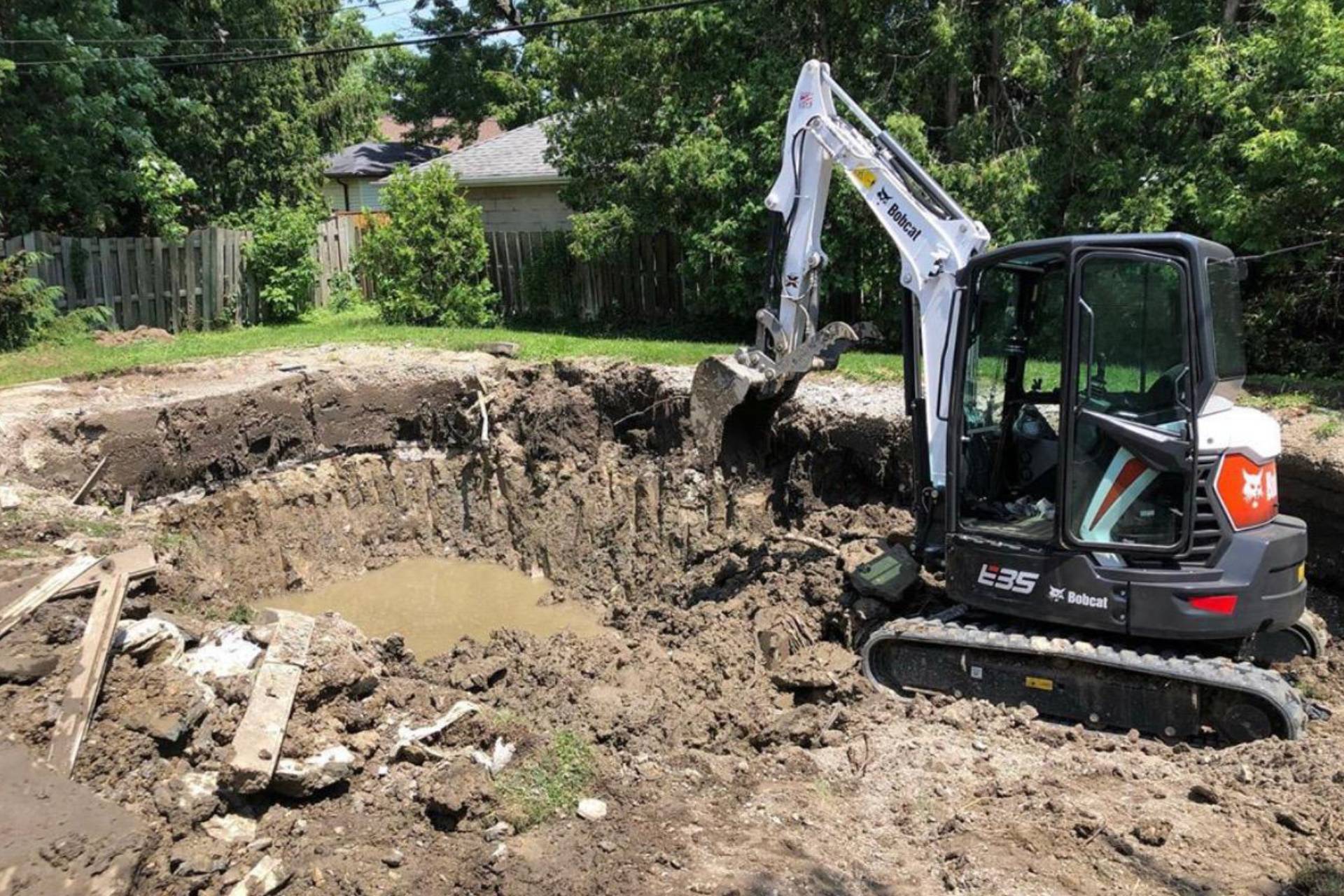
So the first thing we look at in Washington Township is the lot itself. Where does the water come from, where does it want to go, and what’s in its way. We often recommend a swale above the house, a curtain drain, or regrading before we touch the basement. When a wall really is leaking under that pressure, exterior waterproofing makes more sense here than in a lot of places, because the bigger lots give us room to dig and the problem is coming from outside.
The newer subdivisions get their own version of this. A sub built across a hillside usually has a few houses at the bottom that catch runoff from every yard above them. If you’re one of those houses, it isn’t bad luck and it isn’t your walls. It’s where you sit on the slope, and the fix is to catch and carry that water before it reaches you. Ask your neighbors uphill where their downspouts end. You might be surprised.
Septic, wells and newer sewer lines
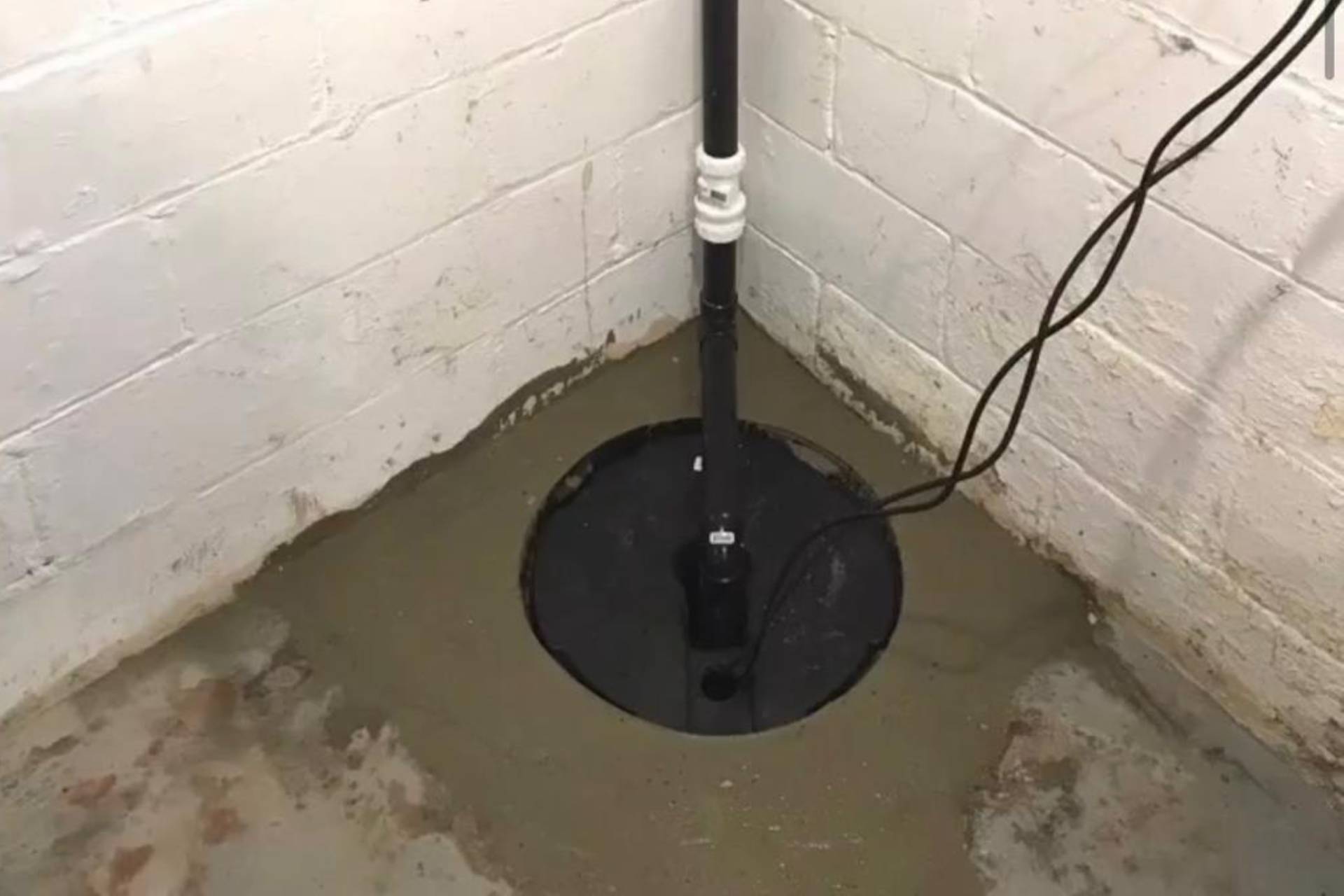
Out here a lot of homes still have a well and a septic field, and that changes how we work. A sump pump has to discharge away from the drain field and the well, not toward them. Saturating a septic field with groundwater is a quick way to ruin it. Excavation means finding the well line and septic tank first, because MISS DIG doesn’t mark private lines.
Where the township has sewer, it is relatively young. The line that ruptured near Hayes and 25 1/2 Mile in January 2025, sending sewage into the Middle Branch, was described by the township supervisor as the first pipe put into the ground to bring sewer here. Newer sewers usually behave, but converted homes sometimes have old tanks that weren’t abandoned right, or laterals that settled. A sewer camera inspection takes the guessing out of it.
Older houses near the village
Toward Romeo, which spills over into the northeast corner of the township, the houses get older. The Octagon House went up between 1858 and 1860, and there are farmhouses around the township from the same century. Fieldstone and brick foundations from that era were never meant to be dry. They were meant to hold up a house. We can make them a lot drier, but we start by making sure we don’t make anything worse.
If you want someone to walk the property with you and tell you what’s actually happening, we’re up M-53 and happy to come out.