Utica’s basements live with the Clinton River
Utica is about 5,200 people in a small, tight grid, and the Clinton River bends right through it. People settled here in 1817 because of that river. The town was called McDougalville, Hog Hollow and Harlow before it became Utica, and in 1837 the state started digging the Clinton-Kalamazoo Canal from here toward Rochester. The canal was abandoned by 1845. The river is still here.
That history is why basements in Utica are different from the subdivisions all around it. The ground near the river is low and the water table follows the river up and down. When the Clinton is high, the soil under your house is wet whether it rained on your street or not.
Where it floods
Utica’s public works department has been specific about this, which helps. When the river crests at 12 feet, water starts covering Heritage Park and Memorial Park. At about 13 feet it gets into the Davis Street neighborhood between River Vista and Nichols. During high water in April 2026, residents of the senior apartments on Greely Street couldn’t get to their garages, and the police chief warned about sewage and missing manhole covers. Residents in the low areas have said they’ve dealt with this for years.
We want to be straight with you. If the river comes over the bank, nothing we install in your basement will stop it. That isn’t what waterproofing is for. What we can do is deal with everything around it.
What we focus on in a Utica house
First is the sewer. When the river and the ground are saturated, the sewers fill, and that water heads for the lowest opening, which is your floor drain. A backwater valve on the main line is the single most useful upgrade for a basement in the low streets. If your drains already gurgle in a storm, we’d run a camera through the lateral as well, because a lot of old Utica laterals are clay pipe with root intrusion and offset joints.
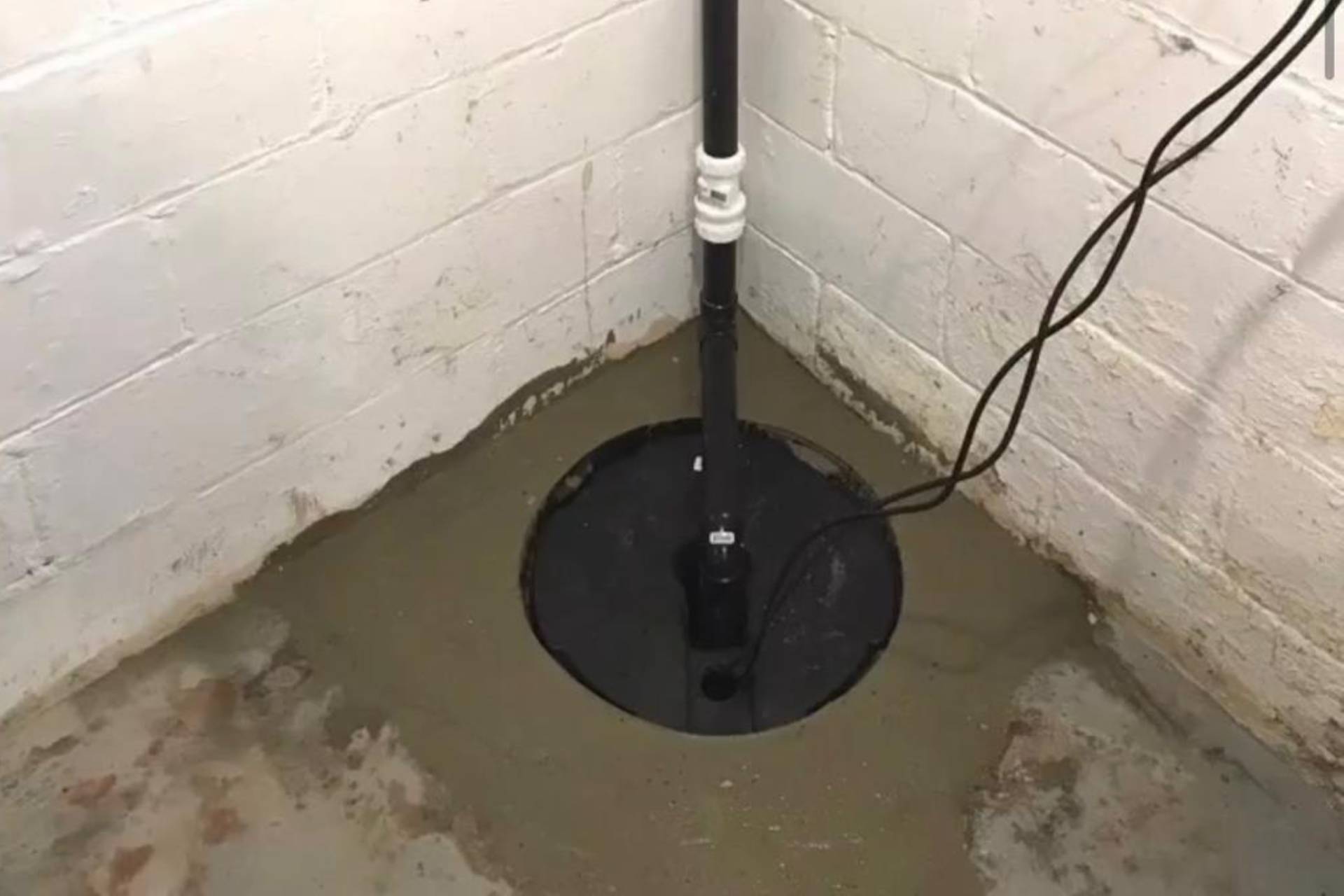
Second is the sump. River-area groundwater comes up from below. If you don’t have a sump, that water seeps through the floor cracks and the cove joint. If you do have one, it needs a backup, because high water and storms that cut power tend to show up together.
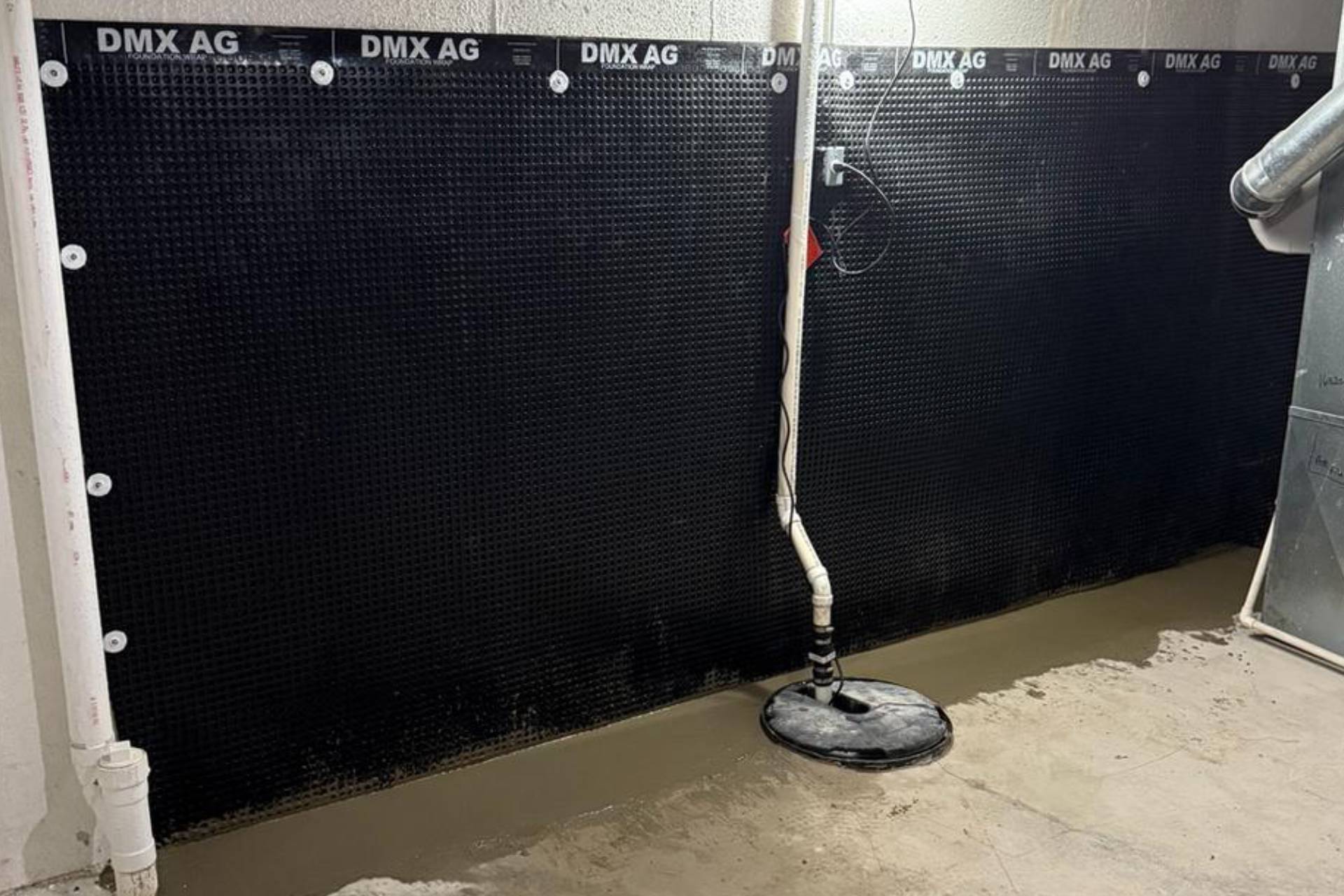
Third is the walls themselves. Roughly a third of Utica’s houses went up between 1940 and 1970, which means a lot of concrete block. Downtown lost much of its old business district along Cass and Auburn to fires in 1905 and 1906, but older houses survive on the side streets, and brick and stone foundations show up in some of them, usually with old clay drain tile that quit working long ago.
Higher up, away from the river, Utica looks more like the rest of the county. Houses from the 1950s and 1960s with block basements, a few newer ones on poured walls, and the same clay everybody in Macomb County deals with. For those, the river isn’t really the story. Gutters, grading and an aging sump are.
After the water goes down
If you’ve already taken water, the order matters. Get the power to the basement off if water is near outlets. Get the standing water out, then the wet drywall and carpet, then dry it properly. We do flood cleanup and use thermal imaging to find the wet framing you can’t see. Then we can talk about what would make the next high water easier to live through. We’re right next door in Shelby, so it’s a short drive for us.