What we usually find under a Troy basement floor
Troy didn’t become a city until 1955, and it did it partly to stop Birmingham and Clawson from annexing any more of its land. Then it grew faster than almost anywhere in the state. The population was about 19,400 in 1960, roughly 39,400 in 1970 and over 67,000 by 1980. I-75 opened through town in 1966, Somerset began with the apartments in 1964 and the stores after that, and the farms between the mile roads turned into subdivisions in what one former city planner called “10 year pieces.”
So the typical Troy basement is 40 to 60 years old. Earlier ranches and colonials are often on concrete block. By the mid-’70s most builders were pouring walls, and that one change decides most of what goes wrong.
Poured walls fail at the holes and the cracks
Poured concrete rarely leaks through the wall itself. It leaks at tie-rod holes, where the steel ties that held the forms together rust out and water tracks along them. It also leaks at shrinkage cracks, the thin vertical lines that show up near windows and corners as the concrete cured. Both are usually fixable with injection from inside. We meet a lot of Troy homeowners who were quoted a full perimeter system for what turned out to be three tie-rods and a crack.
Clay, backfill and the 40-year mark
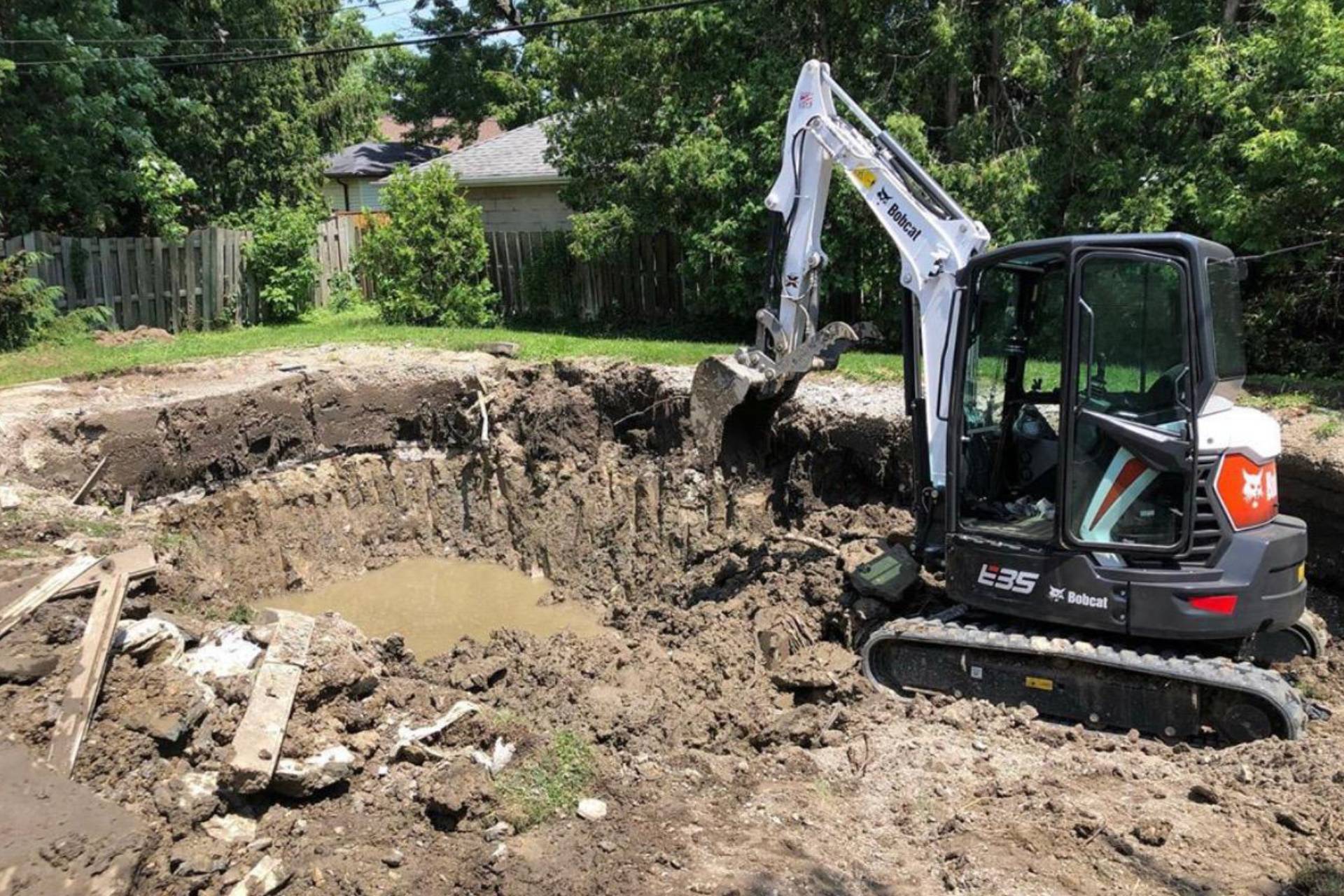
Troy sits on clay like the rest of south Oakland, and builders backfilled new foundations with whatever came out of the hole. Forty years on, that backfill has settled. The yard that used to slope away from the house now tips toward it, right where the clay is already wettest. Before you call anyone about a wet corner, go outside and look at the ground next to it and where the downspout ends. Regrading and a longer extension fix more Troy basements than people expect, and that’s work you might not need us for.
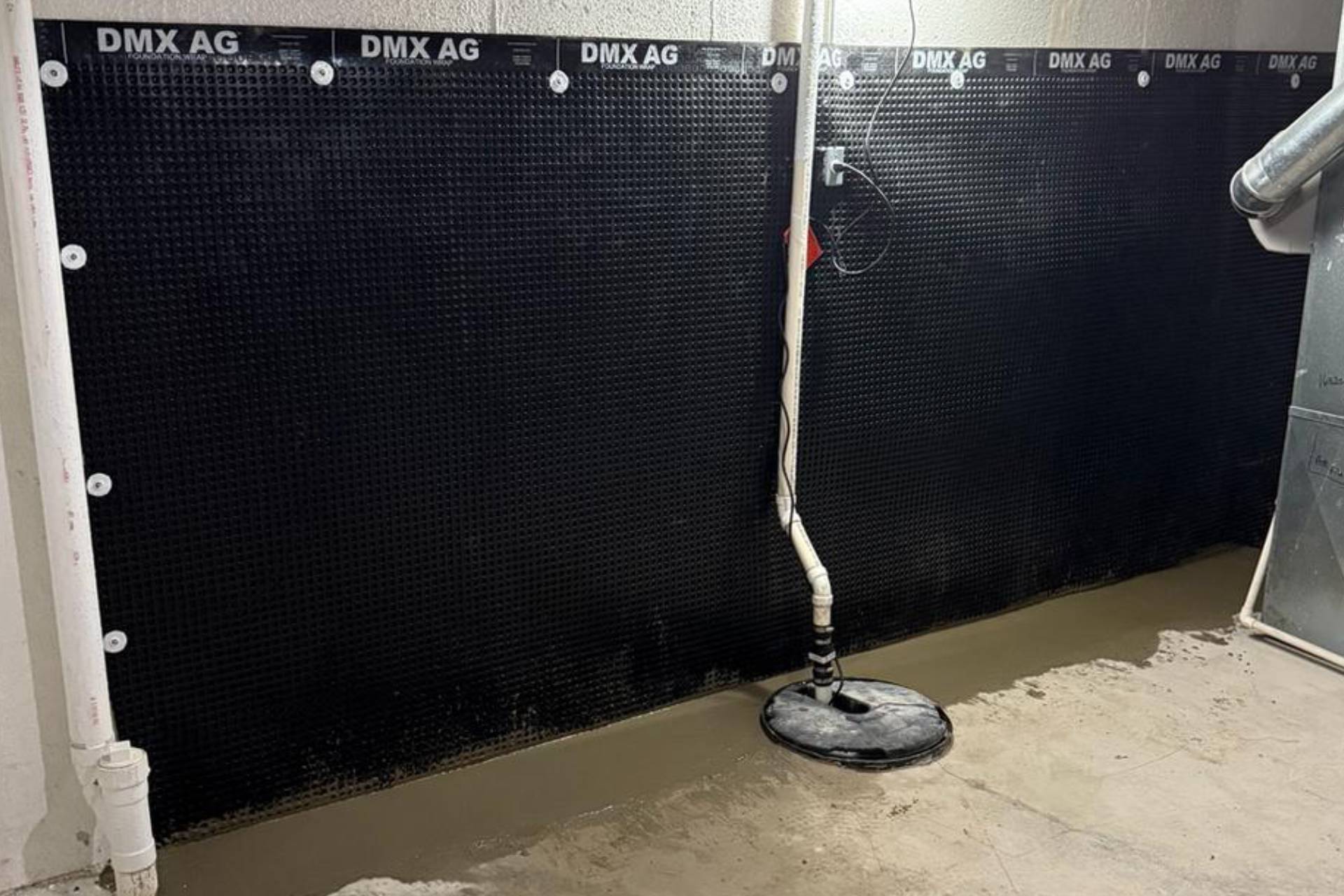
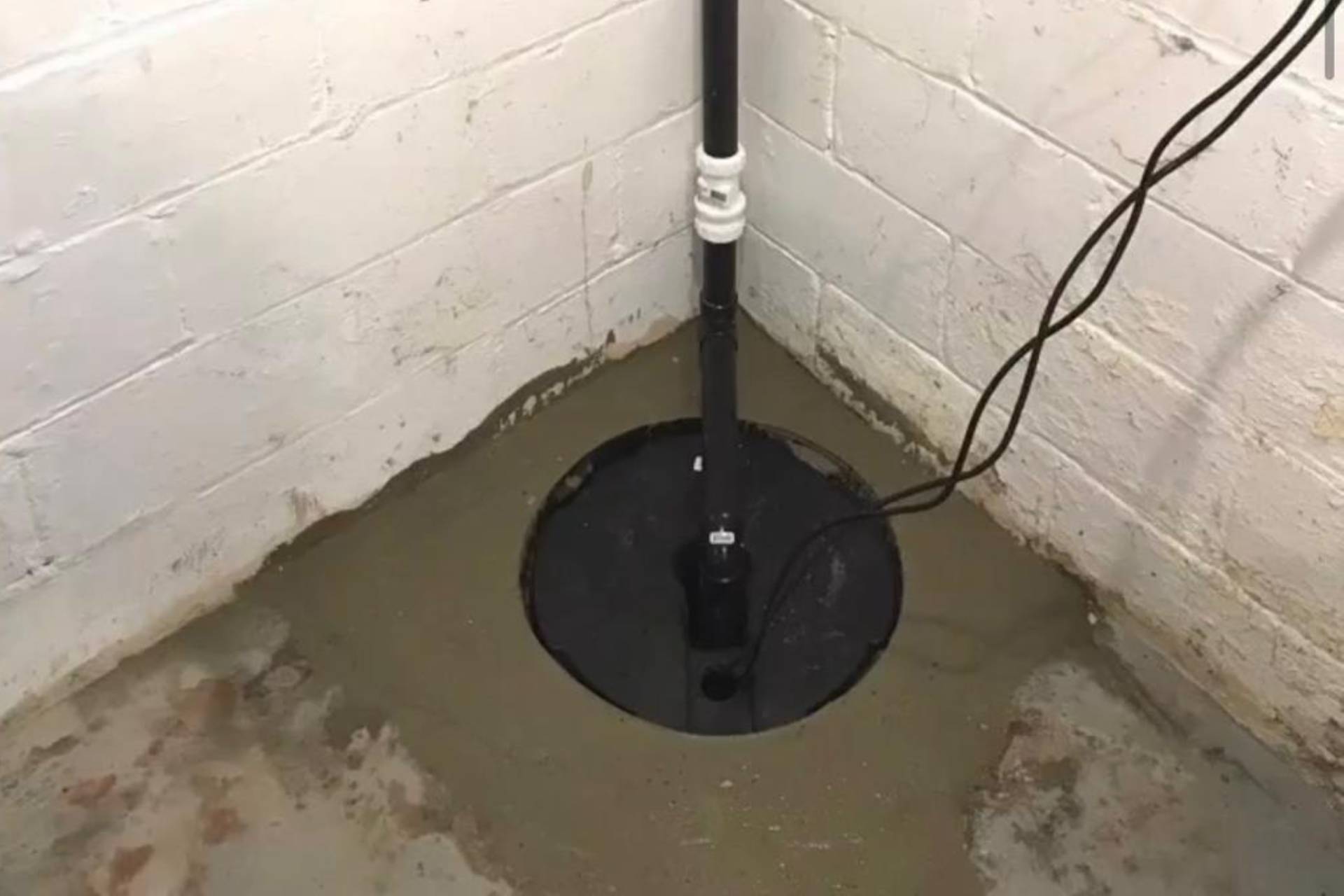
The other thing wearing out is the sump. Most Troy houses from this era have footing drains running to a crock, and many of those pumps are on their third or fourth replacement, often the cheapest one on the shelf at the time. Storms that knock out the power are the same storms that fill the crock. A battery or water-powered backup costs little next to a ruined finished basement.
The Rouge starts here
It surprises people, but the Main Branch of the Rouge River begins in and around Troy. One headwater is usually traced to a spring-fed pond at Square Lake and Squirrel roads. The Sprague branch comes in under Adams Road, was dammed near Beach Road in 1963 to make Lake Charnwood, and joins the other stream in Firefighters Park. The east side of the city drains the opposite way, toward the Red Run through county drains like the Barnard and the Halfpenny.
Homes near those waterways, and on low lots beside the drains, tend to have a higher water table and sumps that cycle more often. We plan for that when we size a pump.
Sewers and the 2014 storm
Part of Troy drains into the George W. Kuhn district with Royal Oak, Clawson and the other south Oakland towns, and Troy was among the municipalities sued after the August 2014 flood. If you’ve ever had water come up the floor drain, a backwater valve on the sanitary line is worth a conversation no matter which system your street is on.