St. Clair Shores basements sit about as close to the lake as basements get
Drive Jefferson between 9 and 10 Mile and you’re on the Nautical Mile, with marinas where the Jefferson Beach amusement park used to be. Behind it the city has about 14 miles of canals, more than you’d guess from the road. Then go a few blocks west of Jefferson and it turns into something else entirely, block after block of brick ranches built when St. Clair Shores was one of the fastest-growing places in Michigan.
Those two parts of the city get wet in different ways.
The ranch grid
St. Clair Shores boomed in the 1940s and incorporated as a city in 1951. Most of the houses between Jefferson and Harper, and plenty west of Harper too, are 1950s ranches with concrete block basements. The ground under them is flat lake-plain clay, dense and slow to drain, and the water table is never far down.
Block foundations from that decade leak in predictable spots. The mortar joints open up after decades of freeze and thaw. The hollow cores fill with water and dump it at the floor line. The original clay drain tile around the footing is often packed with silt, and in many houses it was tied into the sewer when it was built.
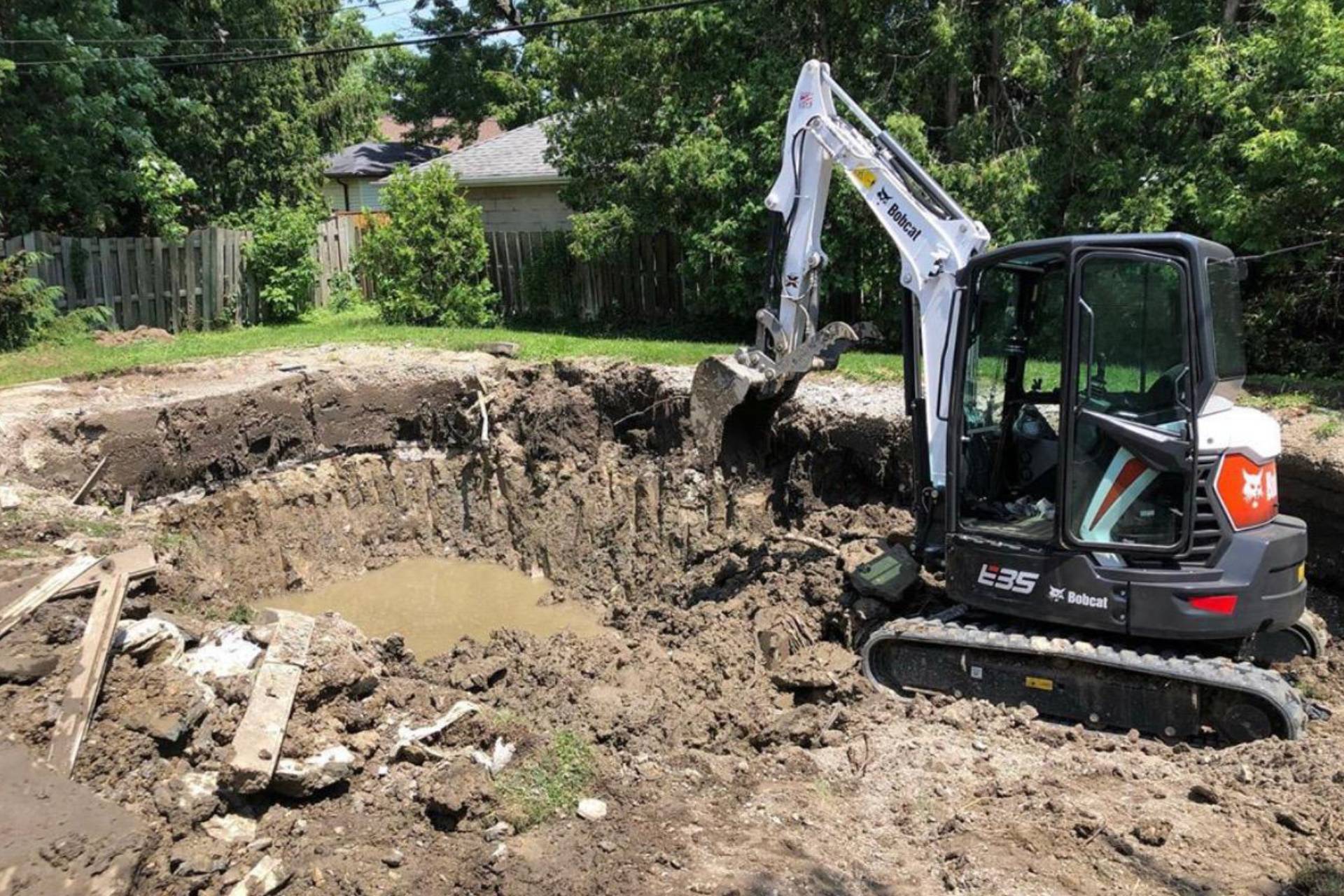
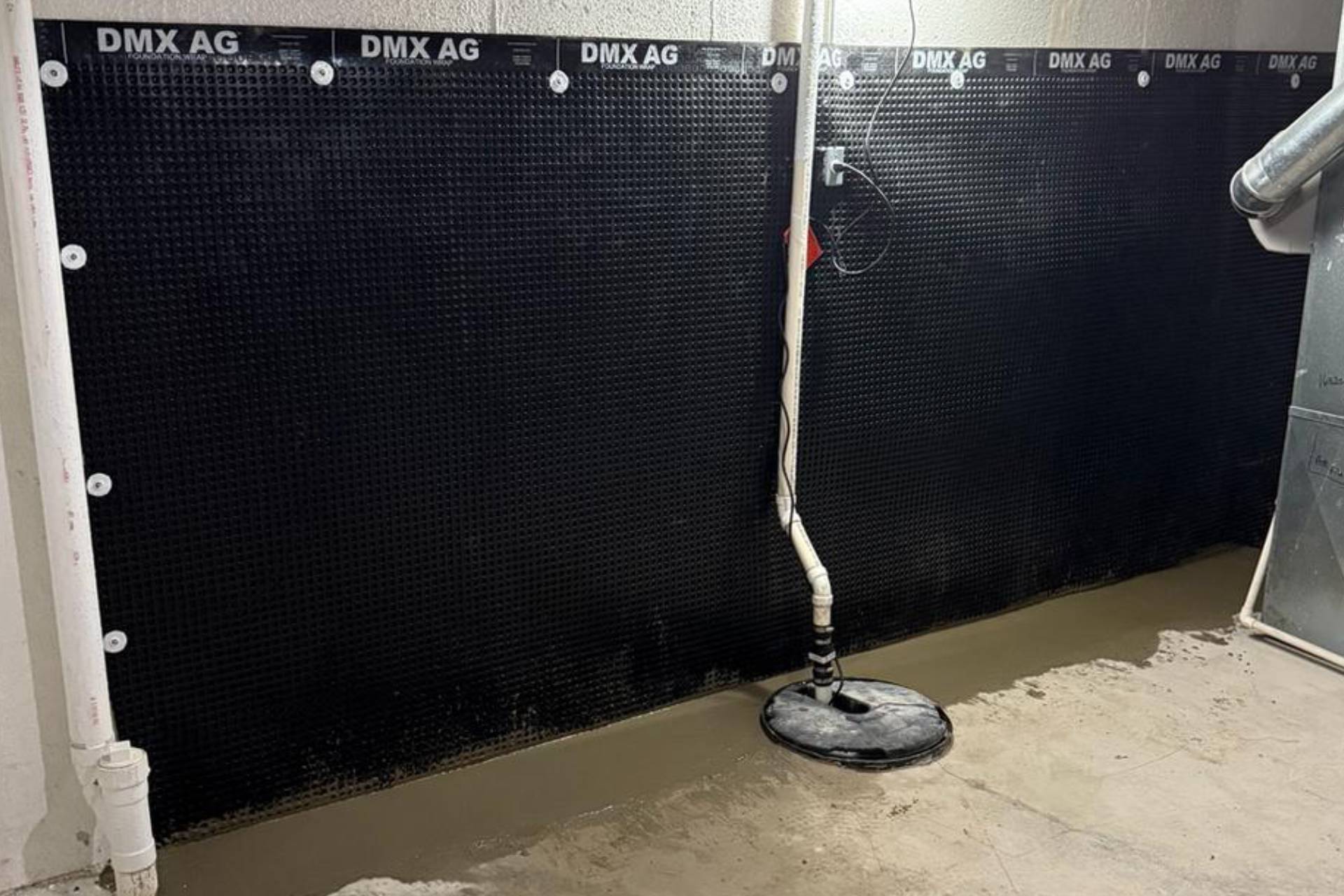
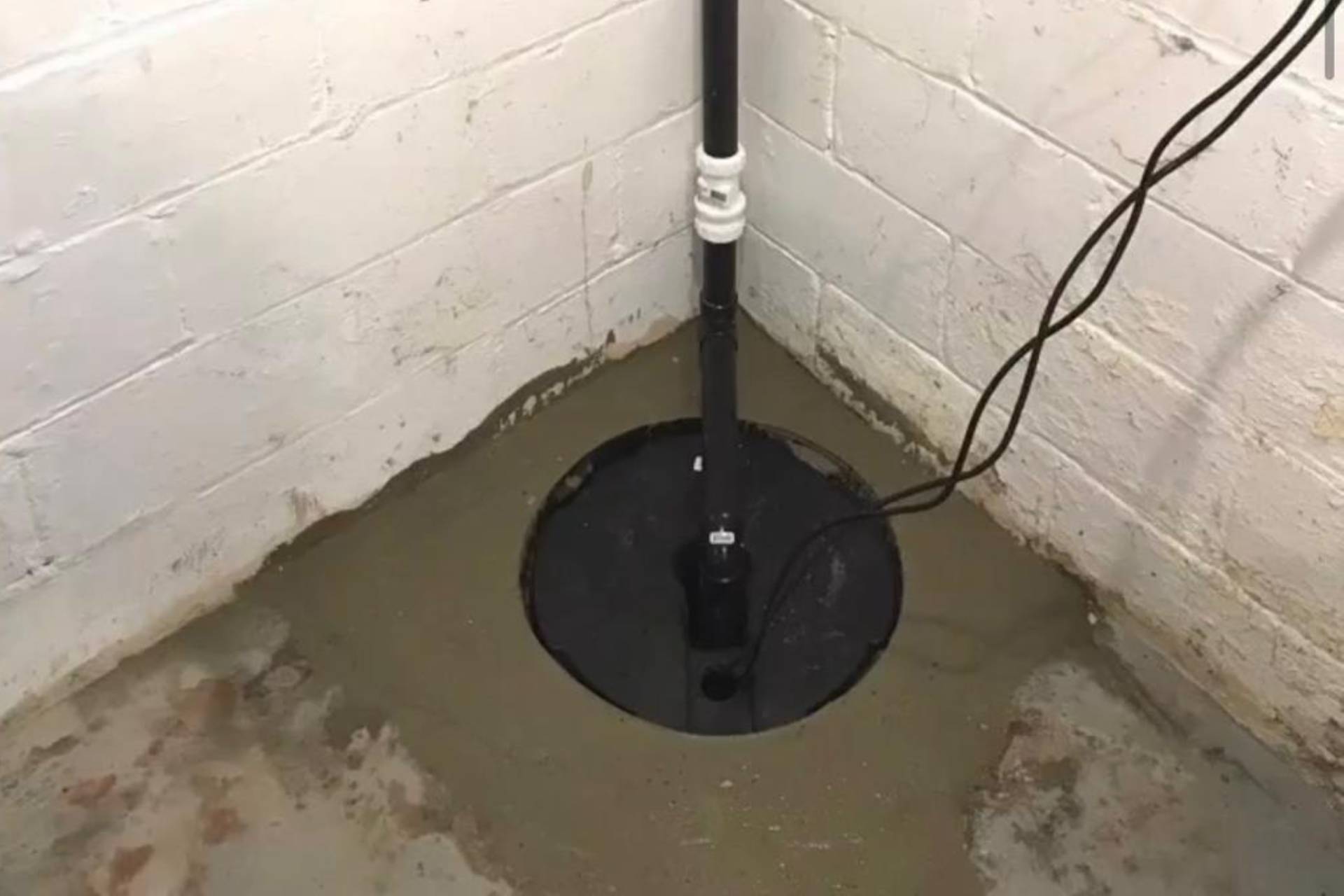
For seepage, our first choice in a Shores ranch is an interior drain system along the footing, weeping the bottom row of block into new pipe and running it to a sump. If the walls are bowed or cracked horizontally, we’ll point that out, because it’s a different conversation.
The canals and the lake
Canal homes deal with the lake directly. In 2019 the city declared a high-water emergency and handed out sand at several sites, and the next spring Lake St. Clair set an all-time high. A city official said the last comparable year was 1986. Back in 1973, residents filled sandbags along the canals for the same reason.
We’re honest about what we can do on a canal lot. We can drain the soil around your foundation, keep groundwater from coming through the walls and floor, and put in pumps that keep up with a high-water spring. If the lake is coming over the seawall, that’s a seawall and grading problem, and no basement system will stop it.
And then there are the sewers
A lot of Shores flood calls aren’t wall leaks at all. The city has older combined sewers in parts of town, and when a storm overwhelms them, water comes back up the floor drain. In August 2024 roughly four inches fell in about two hours and basements across the city backed up. People here remember June 2021 too, when pump stations were swamped.
Macomb County is upgrading the Chapaton station at 9 Mile and Jefferson, adding about 13 million gallons of storage plus new generators and electrical work. It should cut backups on the south end. It won’t change what’s going on in your own lateral, which in a 1950s house is often clay pipe with roots in it.
So on a Shores ranch we’d camera the sewer line, fix anything broken, and add a backwater valve. That one install handles the kind of flood that ruins finished basements fastest.
What we’d skip
Waterproof paint on block walls. It looks good for a season and then blisters off as the water behind it keeps coming. Your money does more in a drain, a pump, or a valve.