Shelby Township is home, so here’s what we actually see
We’ve been working out of Shelby since 2004. That means our trucks are on Van Dyke and 23 Mile every day whether there’s a job here or not, and it means a fair amount of our work is for people we run into at the gas station afterward. You fix a basement differently when you know you’ll see the owner again.
Shelby has grown a lot. The township had about 65,000 people in 2000 and close to 80,000 by 2020, spread over roughly 35 square miles. That growth came in waves, and each wave left a different kind of basement behind.
The older south end
Down near Utica and along Auburn Road, a lot of the houses are 1960s and 1970s ranches and tri-levels with concrete block walls. Block leaks in a few predictable ways. Water seeps through the mortar joints, fills the hollow cores, and weeps out at the bottom where the wall meets the floor. In a wet spring you’ll see a dark band about a foot high along one wall and a white chalky residue above it.
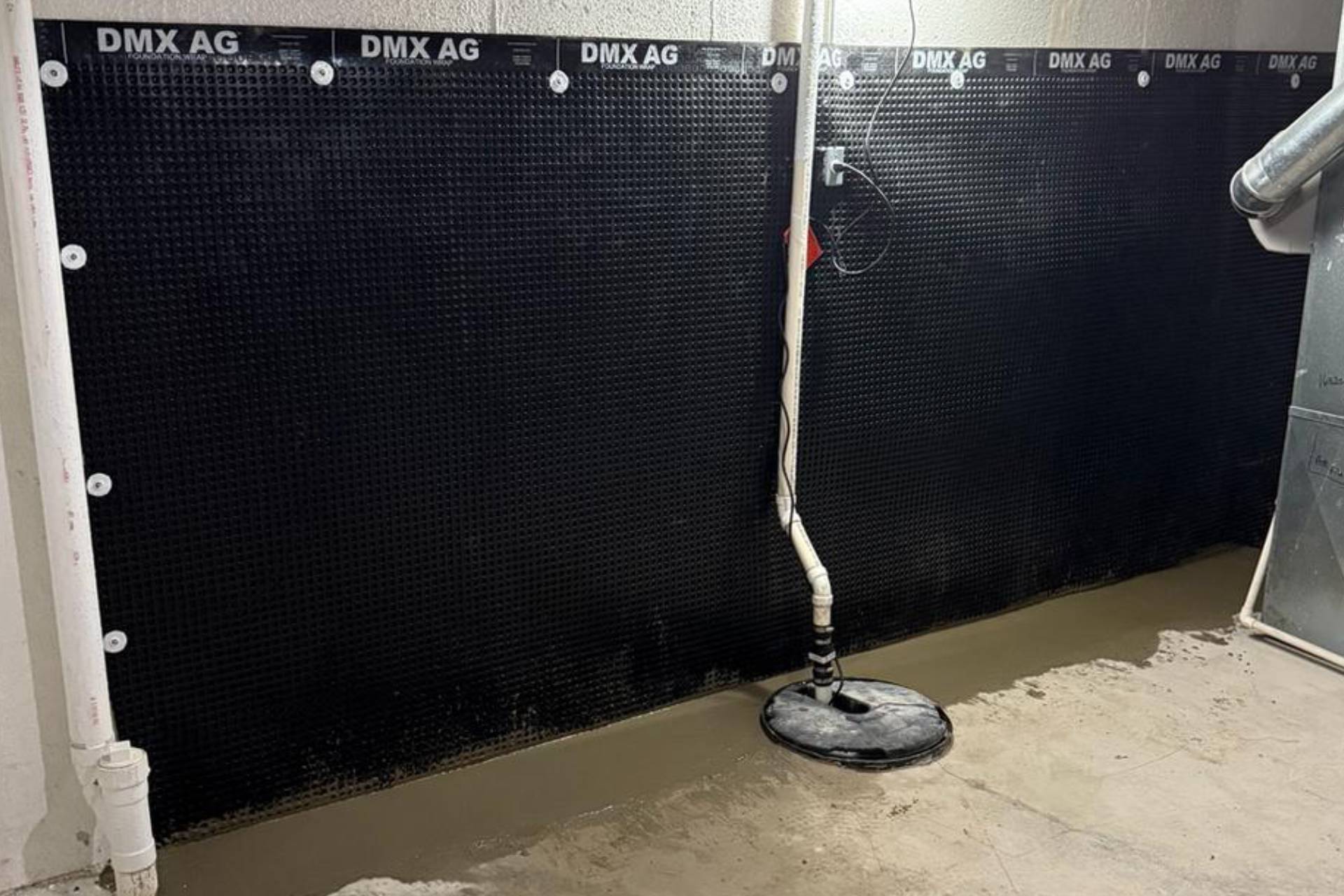
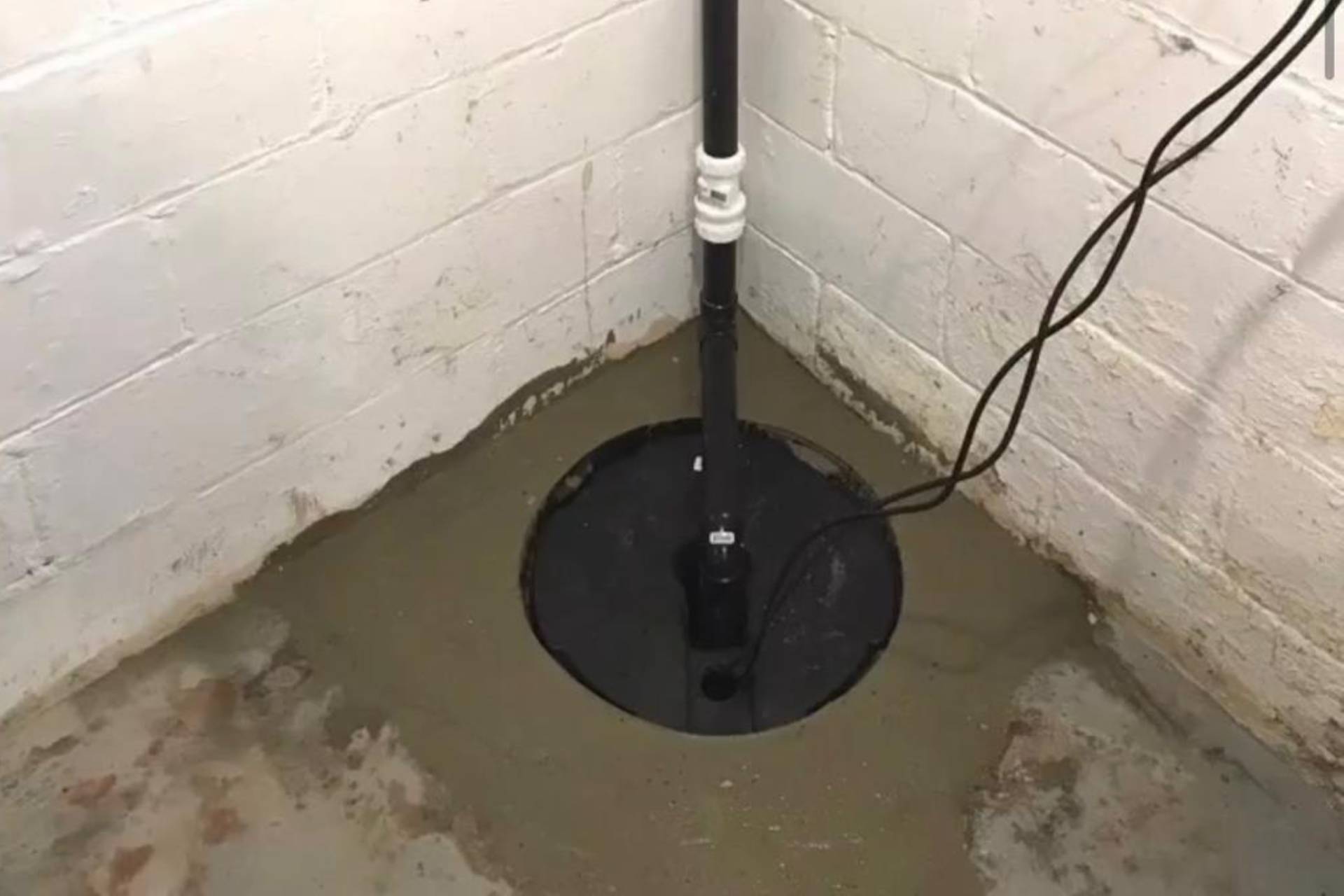
For these, an interior drain tile system usually makes more sense than digging outside. We cut the floor along the wall, drill weep holes into the bottom row of block so the cores can drain, lay pipe in stone, and run it to a sump. It’s not glamorous. It works.
The 1990s and 2000s subdivisions
Further north it’s mostly poured-wall colonials, the kind you’ll find in subs like Cherry Creek and Huntington Park. These basements are deeper, they have egress windows, and the walls are solid concrete. They leak at tie-rod holes and at hairline cracks that run up from the floor, and almost all of those can be handled with crack injection from the inside.
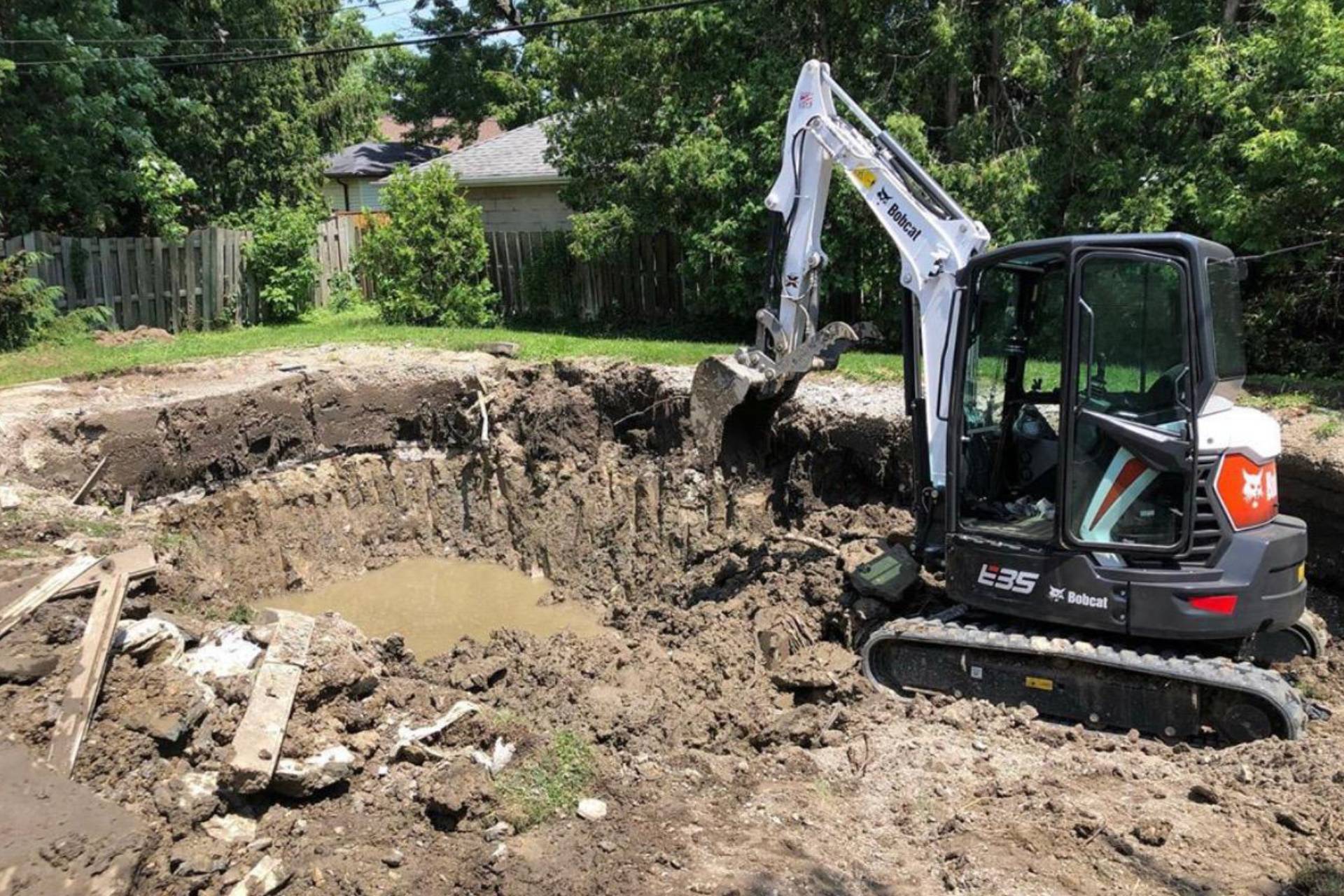
The bigger issue in these neighborhoods is the yard. Backfill settles for years. By now a lot of lots have gone from sloping away from the house to sloping toward it, at least in the first few feet, and that is often the entire problem. If a downspout empties into a sunken flower bed by the foundation, start there. Sometimes a crack is just a crack and the dirt is the real culprit.
Where the water goes in Shelby
The Clinton River runs along the south side of the township and the Middle Branch cuts across from Washington Township on its way east. In the northwest corner a slice of Stony Creek Metropark crosses into Shelby, and the land there gets rolling instead of flat. Most of the township, though, is flat clay that doesn’t let water go anywhere fast.
That makes storm intensity matter more than storm totals. In August 2020, a short, intense storm flooded units at the Windmill Pond condos on 22 Mile, and residents there were dealing with it again in 2023. Officials called it a localized storm of unusual intensity. Those are exactly the storms where a sump pump without a backup gets overwhelmed or loses power.
A few things we’d tell a neighbor
- If your sump pump is original to a 1990s house, it is living on borrowed time. Replace it on your schedule, not during a storm.
- Walk the yard in a hard rain once. Where water pools near the foundation tells you more than anything we can say on the phone.
- A finished basement on a street that has had sewer backups is the case for a backwater valve. An unfinished one on a street that hasn’t is not.
- Fresh white powder on block walls means water is moving through them now, not years ago.
That’s the short version. If you want the long one, we’re close. Call and someone will come take a look.