Old houses, old stone, and Romeo
Romeo started as Hoxie’s Settlement. It was platted in 1830 and incorporated a few years later, and in the 1800s it was a rich little town. Timber money built the big Victorian houses along Main Street and the side streets, and factories turned out hoopskirts, brooms, carriages and cigars. In 1970 the village became a state and national historic district. Romeo also never had the kind of major fire that wiped out other small downtowns, so a lot of the original buildings are still standing.
For us that means the basements here are some of the oldest we work in. They’re also some of the most interesting.
What’s under a Romeo Victorian
Homes from that era usually sit on fieldstone, rubble stone or soft brick, laid up with lime mortar. Those foundations were built to carry a house, not to keep a basement dry. Often the basement started as a root cellar and got dug out deeper later, so the floor might be a thin pour over dirt and the ceiling might be under seven feet.
There are a few things we won’t do to a foundation like that. We won’t coat stone or old brick with a hard waterproof sealer, because it traps moisture in the masonry and makes it crumble. We won’t repoint with modern hard mortar. And we won’t dig deep along an old footing without knowing how deep that footing actually goes.
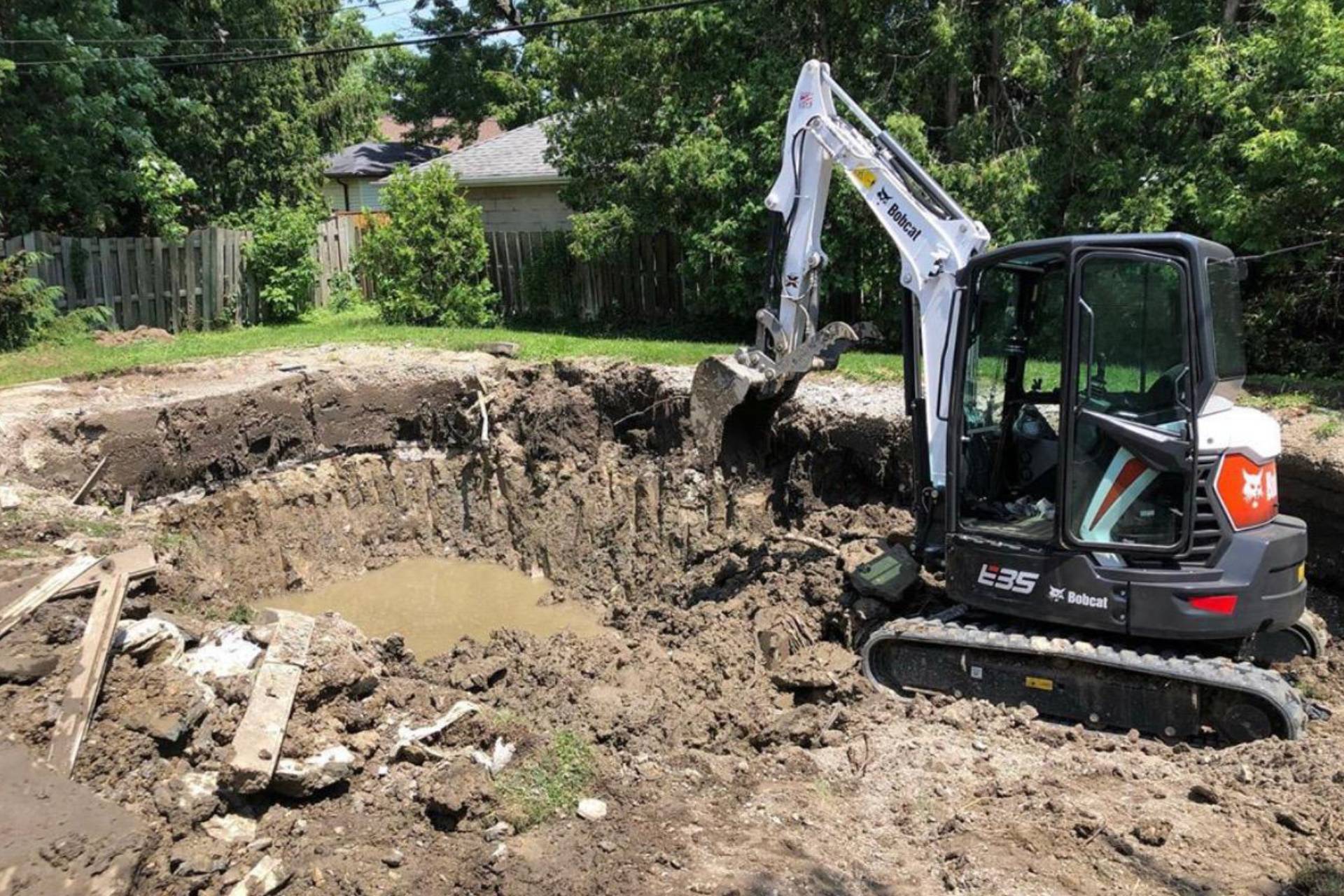
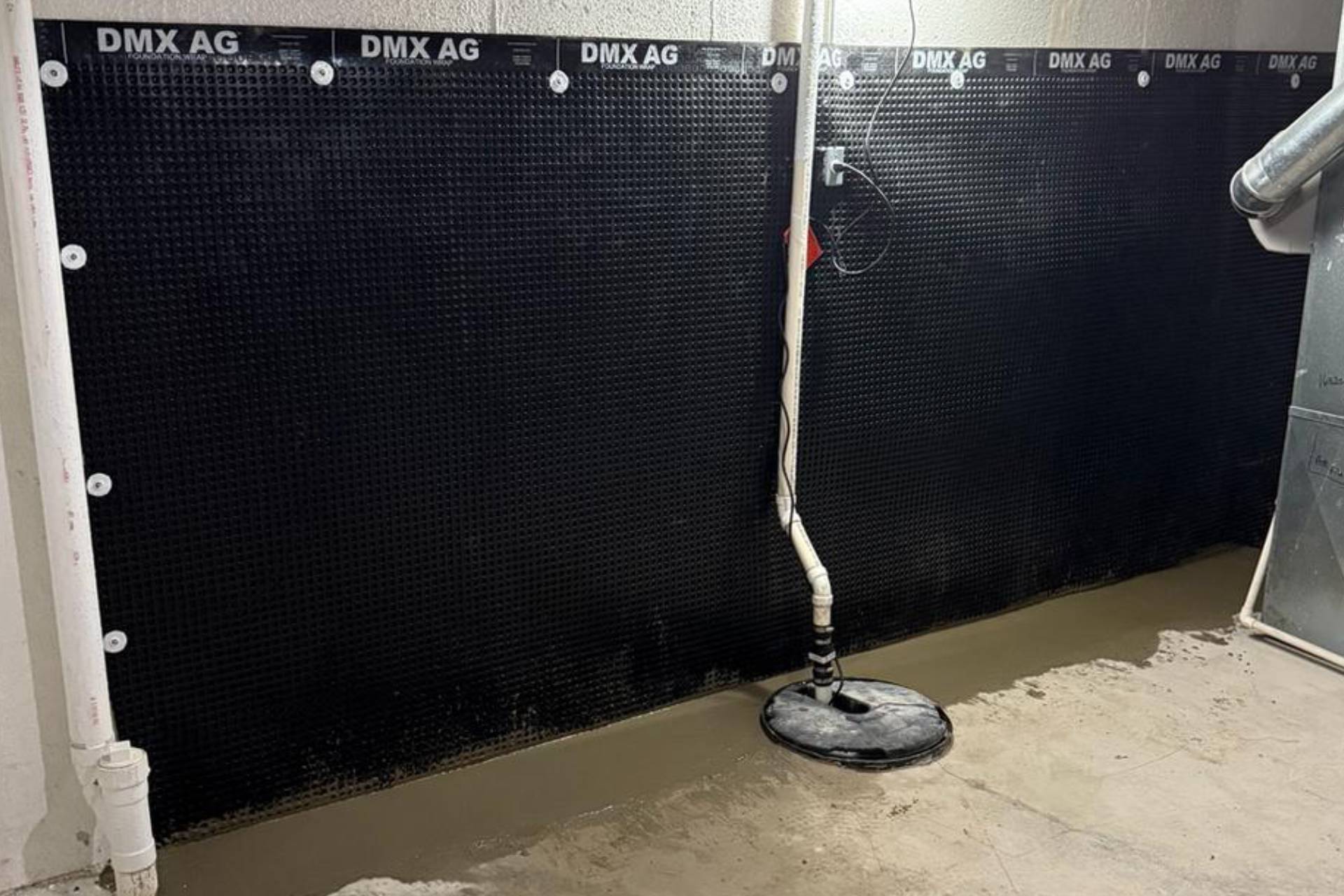
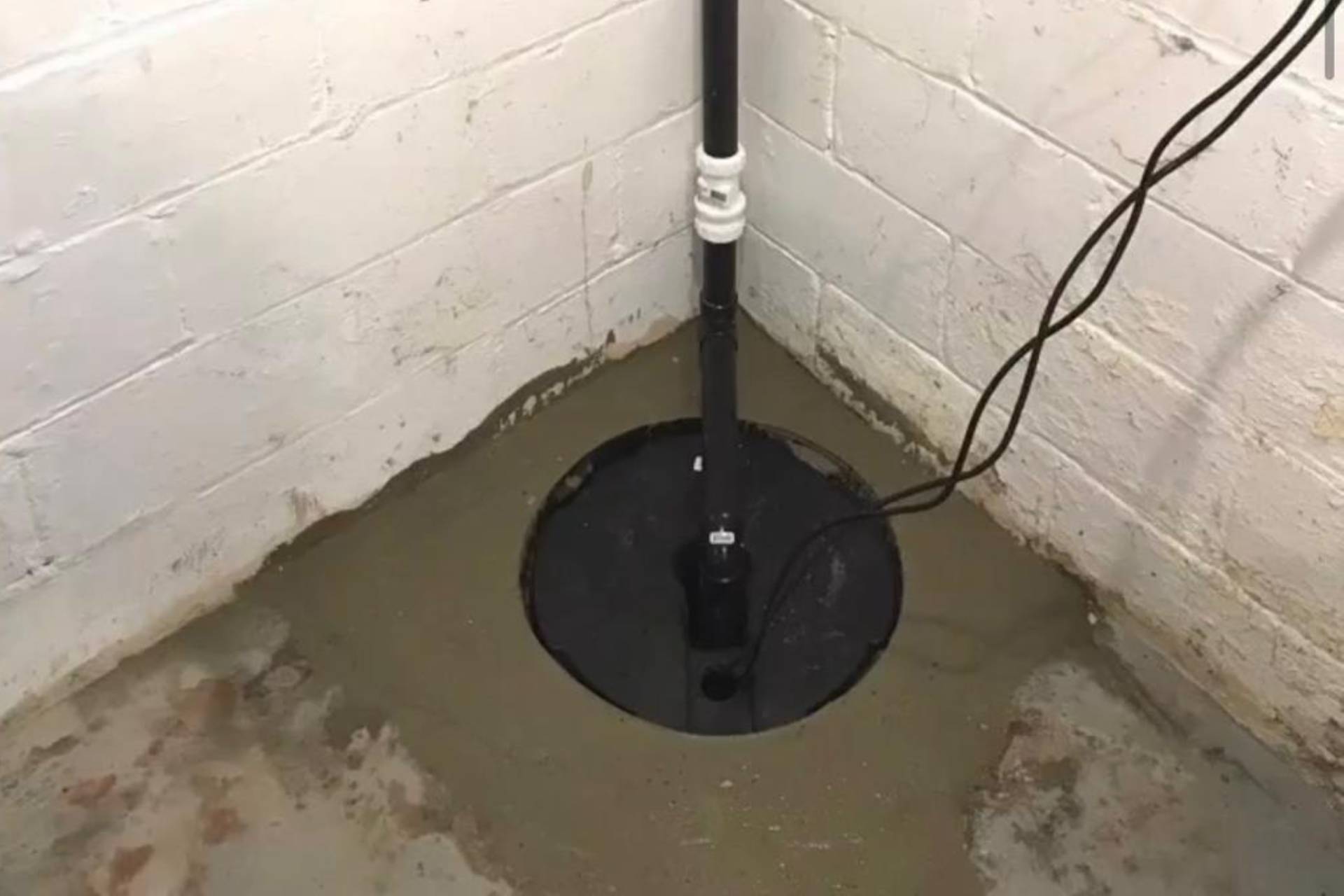
What we usually do instead is handle the water at the bottom of the wall. A shallow interior drain along the footing, a sump with a backup, and a vapor barrier on the walls if you want to use the space. Outside, we fix the gutters and grading, because the cheapest water to deal with is water that never gets to the wall.
The newer side of town
Romeo isn’t all Victorians. The village sits at the southeast corner of Bruce Township and runs south into Washington Township, and the newer streets and subdivisions out toward 32 Mile and Van Dyke have the same block and poured walls you’d find anywhere in Macomb County. Those get treated like the modern basements they are, with crack injection, drain tile where it’s needed, and attention to the sump pump.
Farmhouses outside the village are their own category. Many are on wells and septic, so we plan the sump discharge and any digging around them. A lot of them also have additions built on over the decades, a 1950s kitchen on a block foundation stuck onto an 1880s house on stone. The seam where the two foundations meet is one of the most common leak spots we find, because the two parts settle differently and the joint between them was rarely sealed well. It’s usually a small, very fixable problem once you know to look there.
Honest advice for an old basement
A 150-year-old stone basement will probably never feel like a new poured one. If you want a dry place for storage and the furnace, we can almost always get you there. If you want to finish it into a family room, we’ll talk through whether that’s realistic before you spend a dime on drywall.
And if your problem turns out to be a clogged gutter on a big old roof, we’ll tell you that too. It’s a long drive up M-53 just to sell someone something they don’t need.