New Baltimore basements and the level of the lake
New Baltimore is on the northern shore of Anchor Bay, the top end of Lake St. Clair. The town started out as Ashley, and in the late 1800s it was a busy little port, with lumber and bricks going out by boat from long piers and, later, hotels and salt baths drawing resort crowds from Detroit. It became a city in 1931. The old grid of streets near the water is still there, and so is the lake, which is the thing that matters most for your basement.
Here’s the short version. Near the bay, groundwater follows the lake. When Lake St. Clair is high, the soil under your house is wet from below, and no amount of gutter work changes that.
2019 and 2020 were a warning
In 2019 Lake St. Clair hit the highest water levels in a record that goes back to 1918, and in May 2020 it set another monthly record. Up the shore in Ira Township, just past the county line, an east wind in December 2019 sent waves over seawalls and into neighborhoods. Even homes that didn’t see surface water had sump pumps running all day and night for months.
The lake has come down since then, but it goes up and down in cycles. It will be high again. Planning for that is a lot cheaper than reacting to it.
What we put first near Anchor Bay
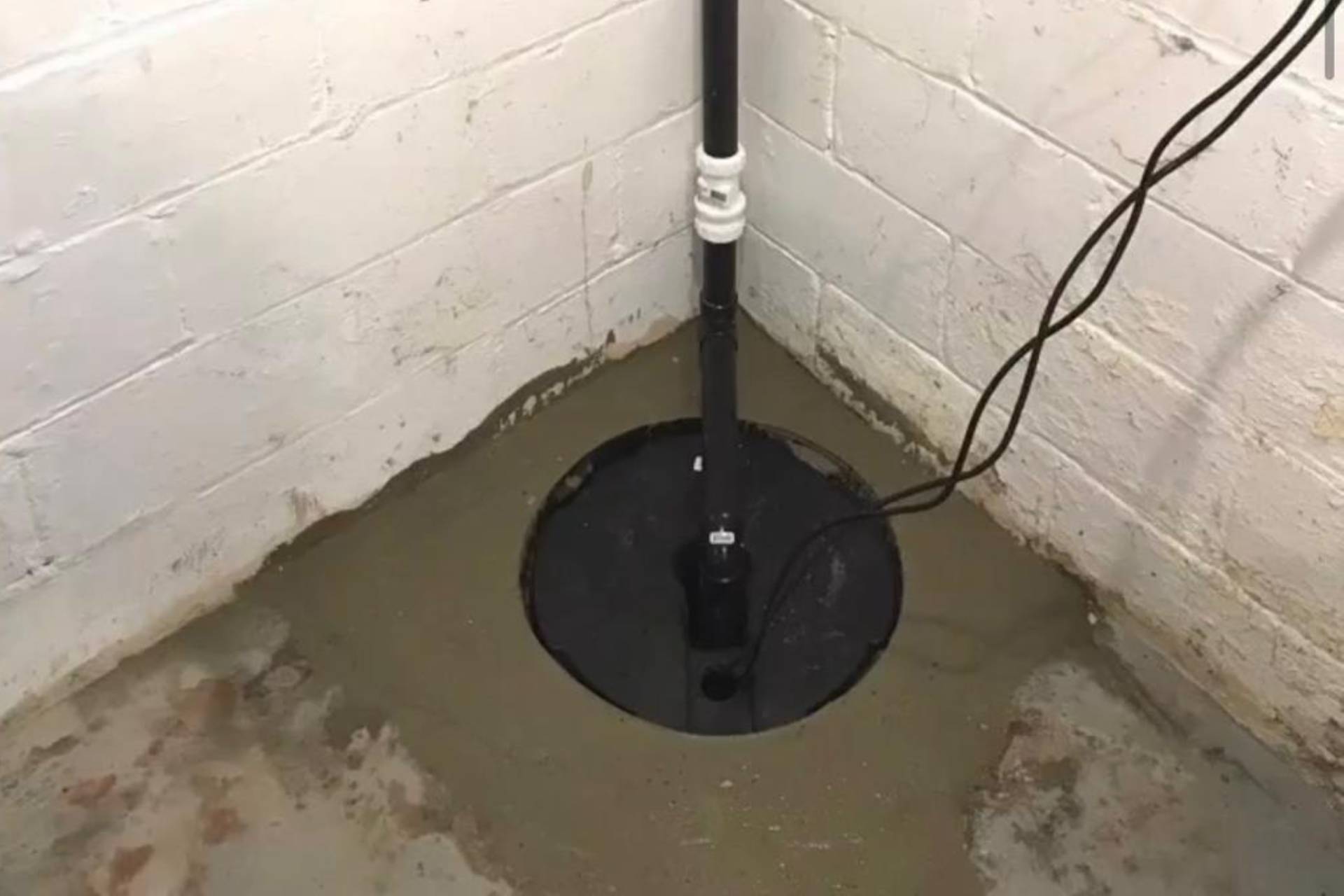
In a lot of the county we’d start by looking for cracks. In New Baltimore, especially within a few blocks of the water, we start with the sump pump. We want to know if it’s sized for how often it really runs, whether the check valve is letting water fall back into the pit after every cycle, and whether there’s any backup at all. Then we follow the discharge line outside, because plenty of them dump water a few feet from the wall where it just circles back.
After that comes the sewer. When the ground and the lake are high, sewers run full, and the floor drain becomes the easy way out. A backwater valve makes a lot of sense for a finished basement near the bay.
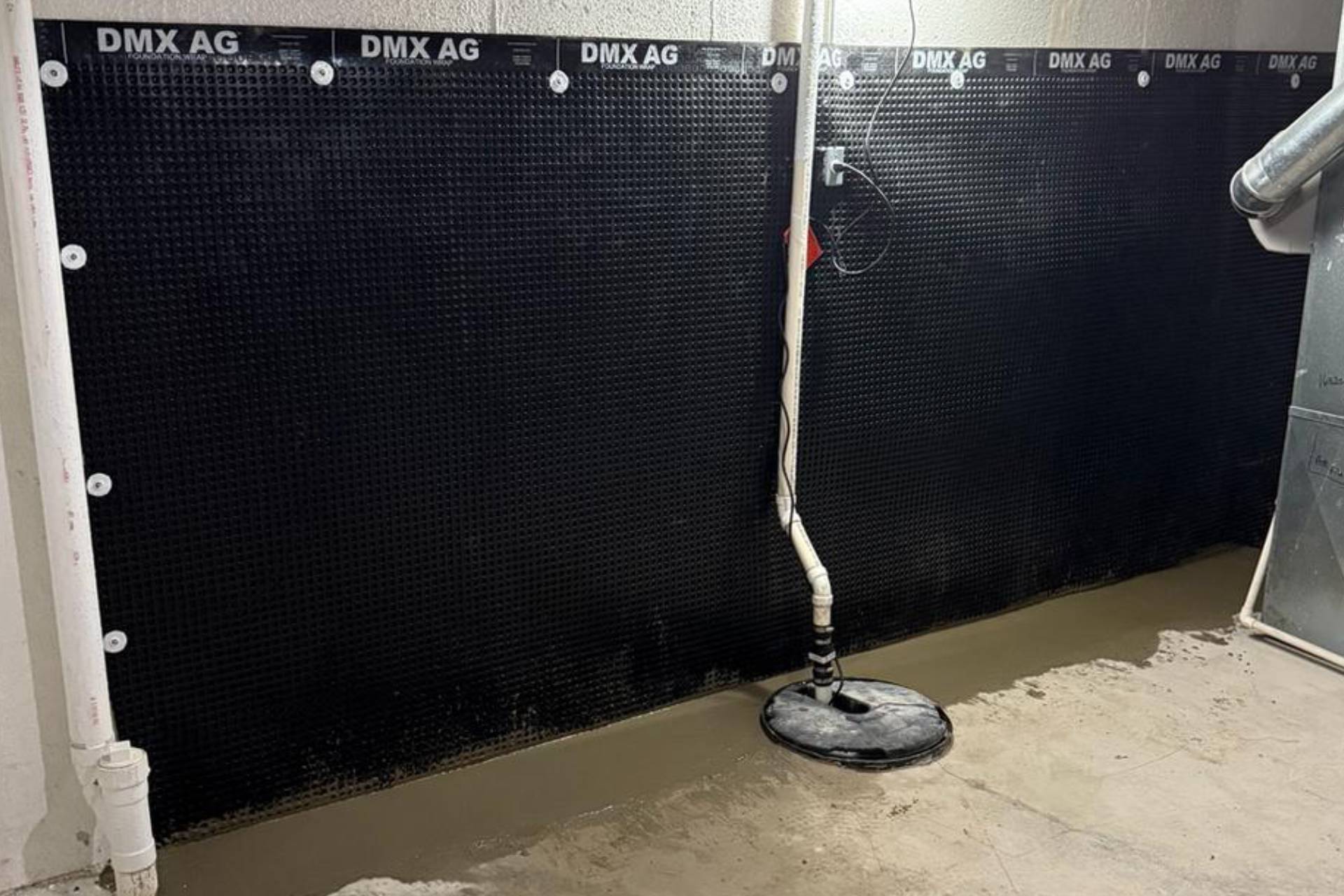
Then the walls. The newer subdivisions inland, like Ashley Farms from the late 1990s and Windridge Estates going up now, have poured walls that mostly leak at tie-rod holes and hairline cracks, which we inject from the inside. The older homes closer to downtown can have block or older masonry, and those usually do better with an interior drain system feeding a good sump.
One more thing specific to the bay. A lot of sump discharge lines near the water empty into a yard that’s already saturated, so the water soaks right back down to the footing and the pump pumps it again. Running the line further out, to a ditch or the street where that’s allowed, or into a properly built dry well on higher ground, can cut the number of cycles a lot. A pump that runs less lasts longer.
What we’ll tell you that others might not
A house a few hundred feet from Lake St. Clair is not going to have a basement as dry as one in the hills of Washington Township. That’s not a failure. It just means the goal is managing water reliably, not pretending it isn’t there. If you’re thinking of finishing a basement near the bay, use materials that can handle a wet day, keep the mechanicals up off the floor, and get the pump and backup right before anything else.
We’re about thirty minutes out 23 Mile and happy to come take a look.