Basements in Mount Clemens are older than most of Macomb County
Christian Clemens settled here in 1799. The town became the county seat in 1818 and a city in 1879, and for a hundred years after 1873 people came from all over to soak in its mineral baths. Its population peaked in 1960 and has been easing down since. What that leaves you with is a small, dense city where roughly a third of the houses were built before 1940, a lot of them on foundations nobody would pour today.
The Crocker House on Union Street went up in 1869. Houses from that era and the decades after sit on fieldstone, soft brick or clay-tile block, with lime mortar that has been slowly washing out for a century. Clay drain tile, if it was ever installed, silted up long ago.
The river is a few blocks away and it does rise
The Clinton River loops through town on its last stretch to Lake St. Clair, and it has a long flood record here. The April 1947 flood was the highest since at least 1934. A relief channel, the spillway, was cut starting just below Gratiot, and it’s been carrying floodwater straight to the lake since 1951. It helped. It didn’t end it. On August 12, 2014, Macomb’s county executive stood by the river in Mount Clemens and said it was at about 16 feet, possibly an all-time high, and still rising.
When the river runs high for days, the groundwater in the low blocks near it rises too. That pressure finds the weak spots in an old foundation. Low on the wall, at the floor joint, through an old coal chute that was bricked shut in 1950.
Combined sewers are the other half of the story
Parts of Mount Clemens still run storm water and sewage in the same pipe. The city spelled that out in April 2026, when it proposed a project to separate combined sewers near Church Street, Kendrick Street and Lois Lane, and replace the North Rose sanitary pump station, with fewer basement backups named as a goal. That’s good news for those blocks. For the rest of town, and until the work is done, a hard rain can still push sewer water back up through your floor drain.
The laterals are a problem of their own. A lot of the older houses here still run sewage to the street through clay pipe laid generations ago, and maple and elm roots have had decades to find every joint. A slow drain in the basement is often the first sign.
Our first recommendation for a lot of older homes here isn’t wall work at all. It’s a backwater valve on the main line, and often a camera run down the old clay lateral to see what the roots have done to it.
How we handle an old foundation
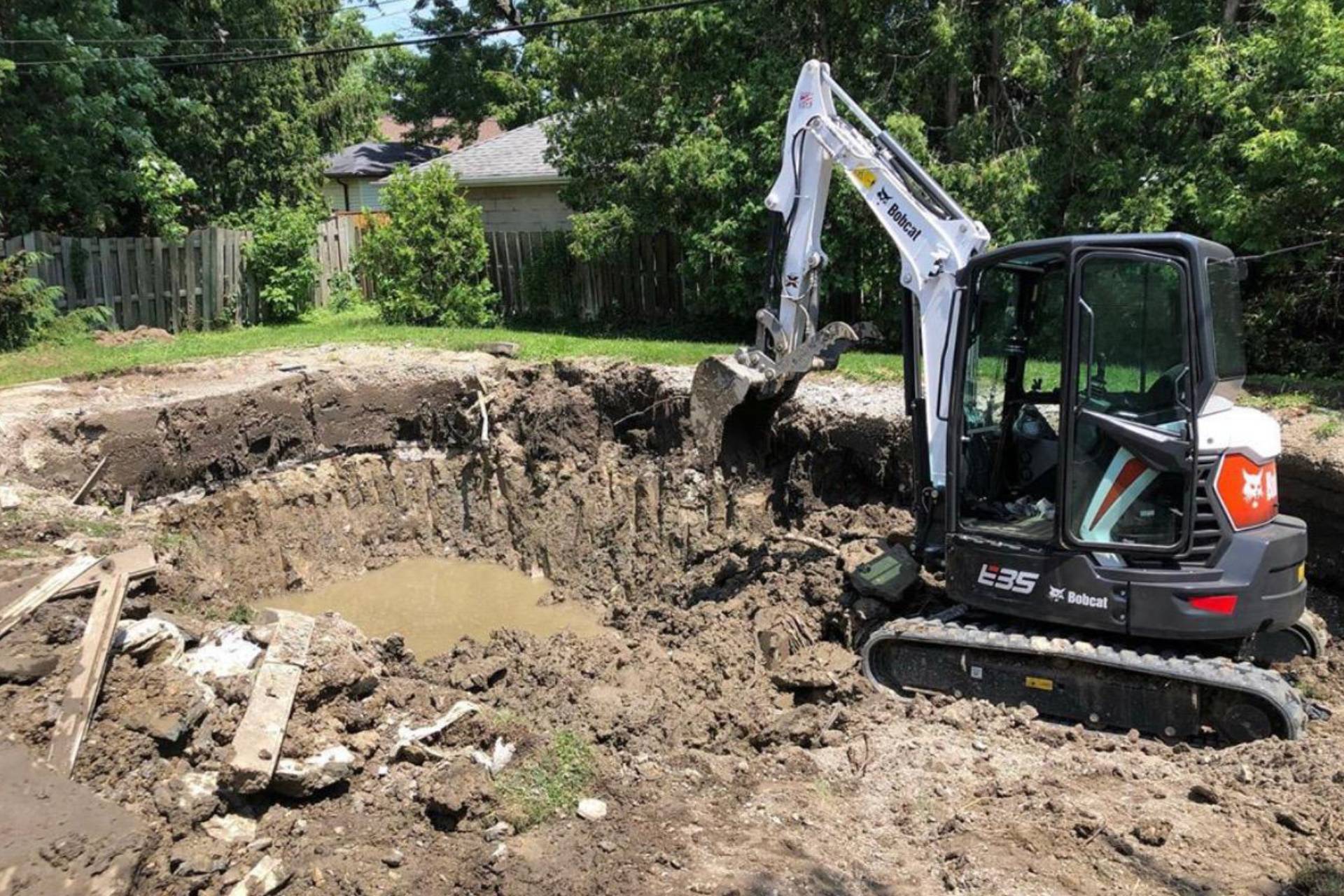
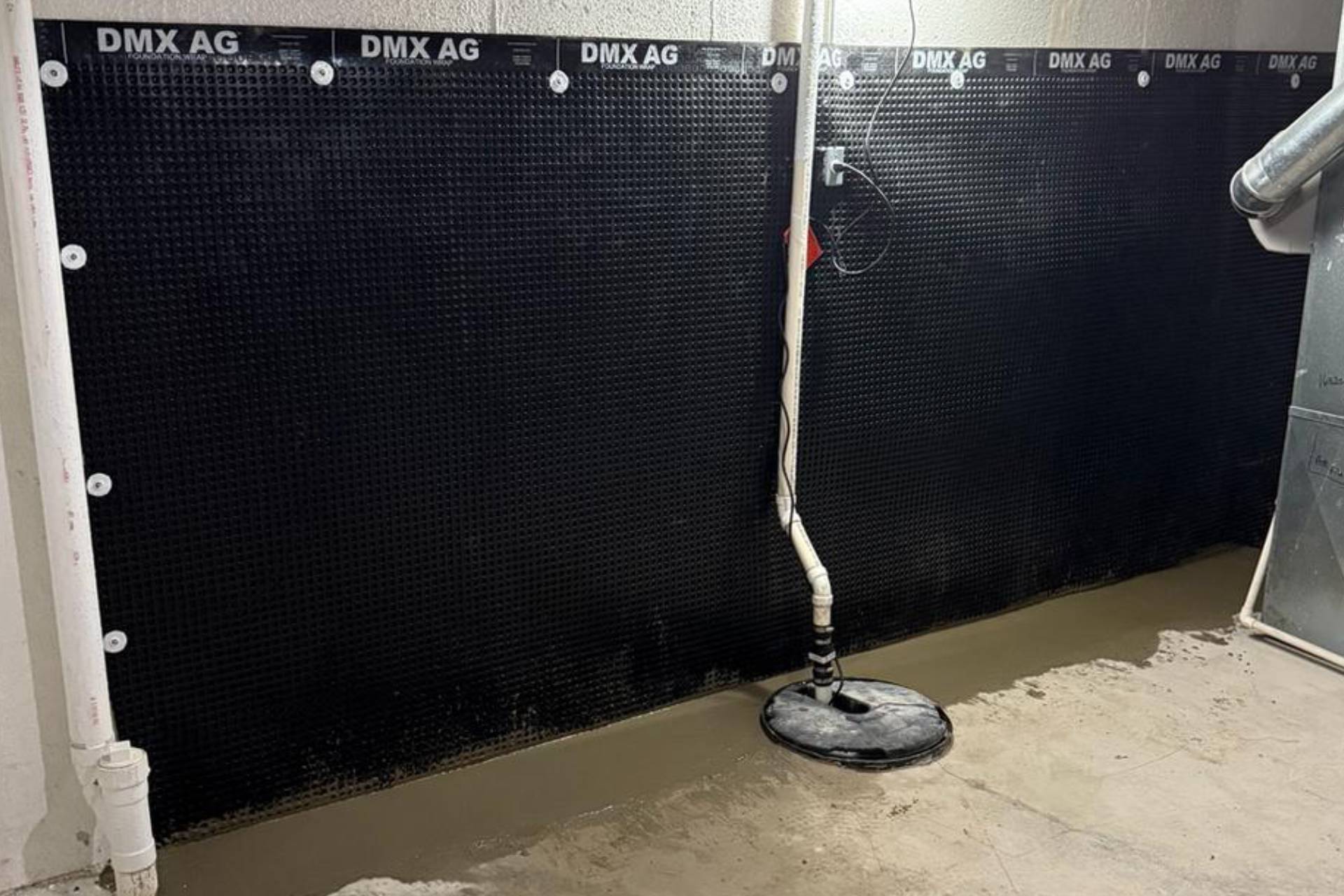
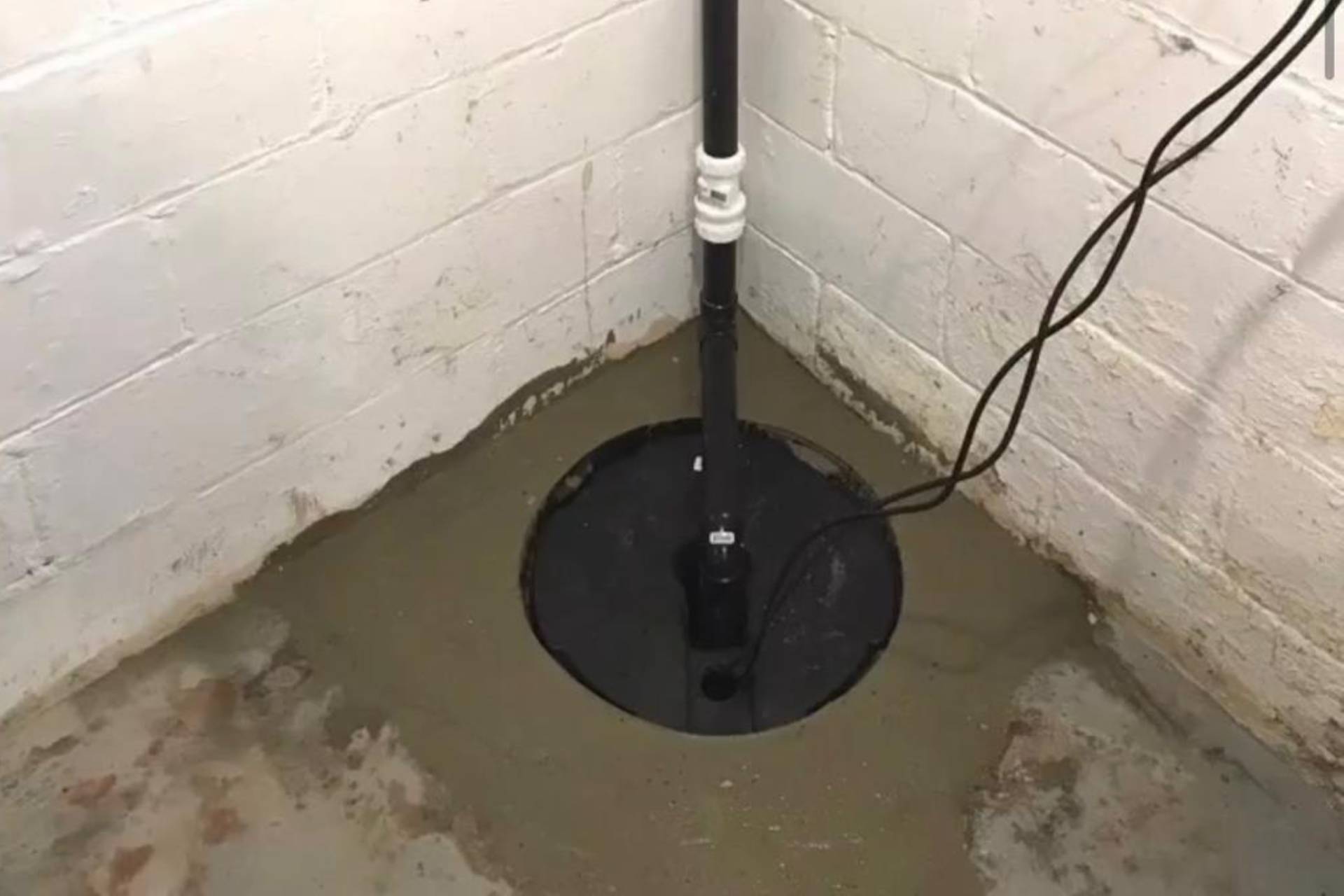
We don’t try to seal a fieldstone wall from the inside with a coating. It doesn’t hold, and it can trap water inside the wall where it does more damage. The approach that works is drainage. Water is allowed to reach the footing, where interior drain tile picks it up and carries it to a sump. Loose mortar gets repointed first. If there’s a finished room on the other side of the wall and the yard has space, we may suggest exterior waterproofing on that section instead.
A lot of older basements here will never be showroom dry, and that’s fine. Dry floor, dry storage, no musty smell and no water at the furnace is a realistic goal for a house that’s well over a century old. We’ll tell you plainly what’s possible on yours.