In Grosse Pointe Shores the lake sets the rules
The Shores began as a summer resort. Wealthy Detroit families came out by steamboat and later by car, and by 1911 enough of them had built for good that the village incorporated with about 350 residents. Edsel and Eleanor Ford built their estate at the north end. It’s still a small place, around 2,600 people at the last census, and in 2009 it became a city, folding in a sliver of Macomb County along the way.
Most of the Shores is Lake Shore Road and the streets that run back from it. Big houses, big lots, mature trees, and Lake St. Clair a few hundred feet away or less.
Groundwater, not rain
Inland Pointes mostly worry about sewers. In the Shores, the bigger worry is the water table. The ground here is heavy lake-plain clay, and the groundwater under it sits roughly at lake level. When Lake St. Clair ran at record highs in 2019 and 2020, basements all along this shore stayed wet for months, whether it rained that week or not.
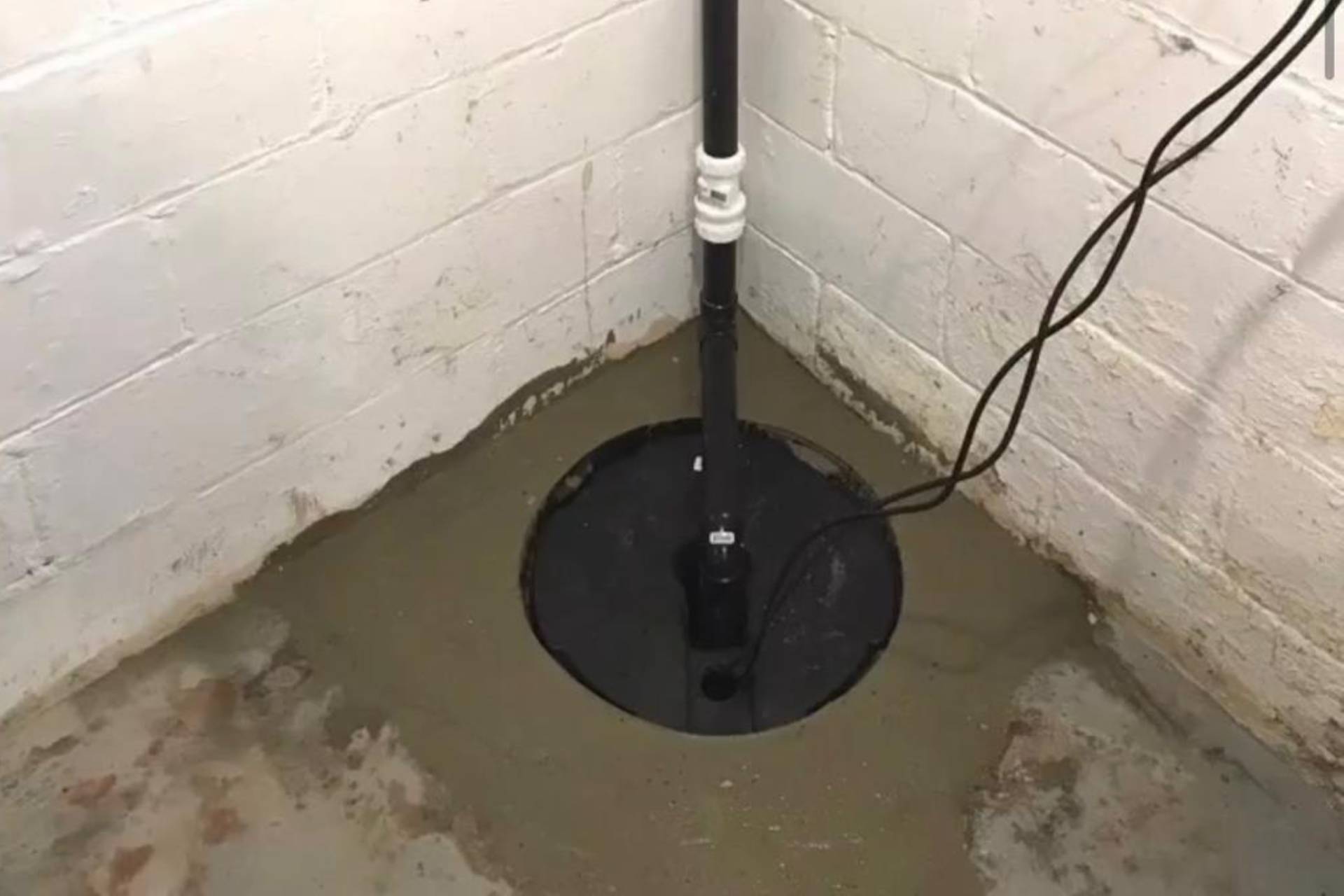
A deep basement in that kind of ground has water pressing on it from the sides and from below. You see it as damp patches on the lower wall, a wet line at the floor joint, or water coming up around the sump pit. Sealer paint won’t hold it. A working footing drain and a sump that can keep up will.
Why we like exterior work here
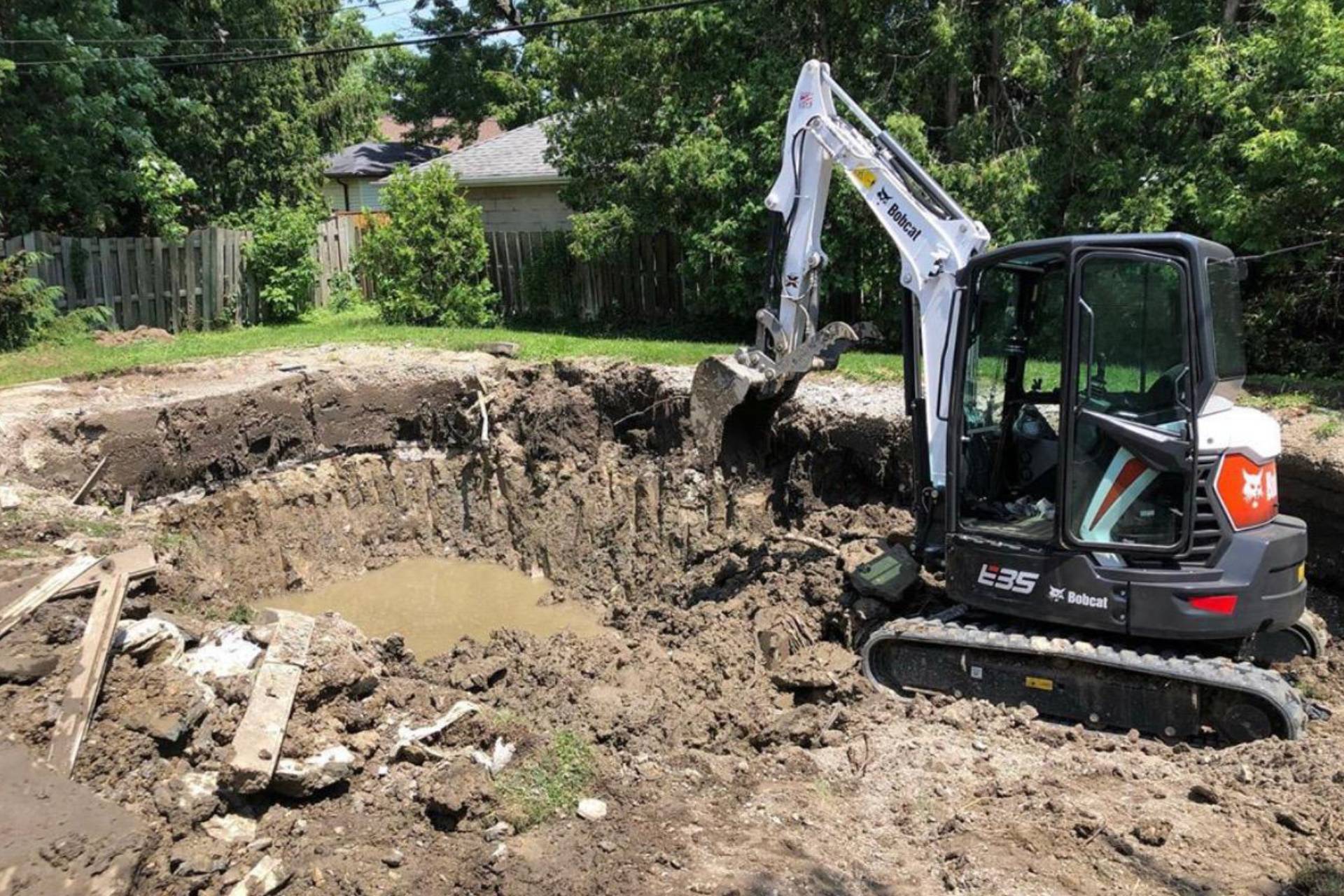
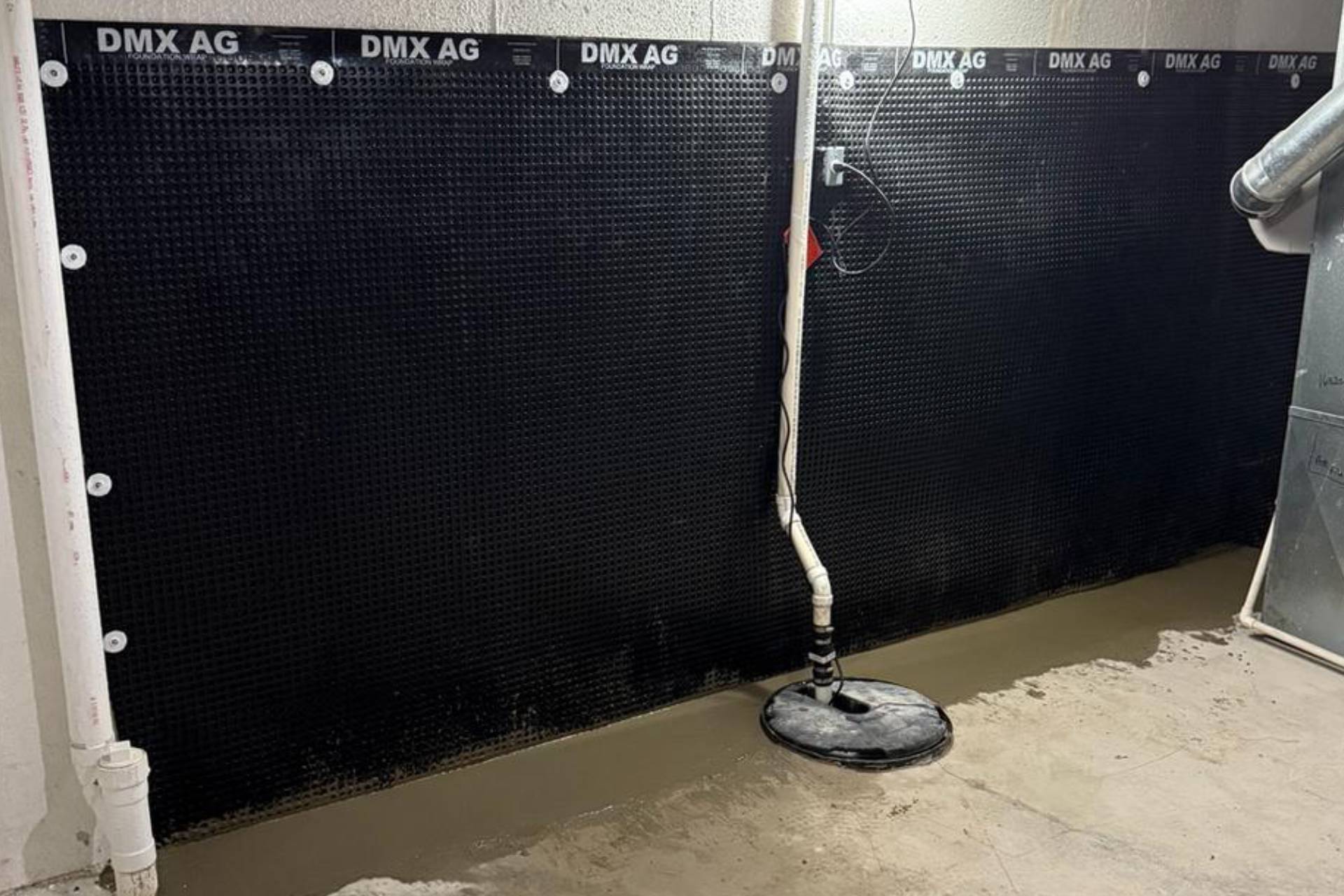
Most waterproofing in the older Pointes ends up inside the basement because there’s no room to dig. The Shores is different. A lot of these lots have space on every side of the house, and on a deep basement with steady groundwater pressure, exterior waterproofing is usually the better fix. We excavate down to the footing, clean the wall, apply a membrane, replace the old footing drain with new pipe in stone, and backfill in compacted layers. Water gets stopped before it touches the wall.
It isn’t always the whole house. A sunroom, a terrace or a mature specimen tree you’d never cut may block one side. On that stretch we run an interior drain to the sump and tie the two systems together.
Sewers still matter
The Shores doesn’t get the attention the Park and the Farms got after June 2021, but lakefront homes still send their sewage through pump stations like the one on Lake Shore Road at Cook Road, and the regional system downstream is the same one that backed up into thousands of east side basements that summer. A deep, finished lower level is exactly where that water ends up. We’d camera the lateral, check for old downspout or footing connections into the sanitary line, and put a backwater valve on the main drain. It’s a one-day job that takes the worst-case night off the table.
The pump is the part that fails
Lakefront basements often have sumps that run for days after a storm and all through a high-water spring. That’s a lot of hours on one motor. On any finished lower level in the Shores we’d put in a second pump on a battery or water-powered backup, and an alarm that reaches your phone when you’re away for the winter. A sump pump is cheap to replace compared with what it protects.