Basements in Grosse Pointe Park start at the sewer
Most waterproofing pages start with cracks in the wall. In Grosse Pointe Park we start somewhere else, because the water that ruins Park basements usually comes up from the floor drain.
The Park is the oldest and most built-up of the five Pointes. It runs from the Detroit line at Fox Creek and Alter Road out to Windmill Pointe, and most of the houses between Jefferson and Mack went up in the 1910s and 1920s. Under nearly all of it is a combined sewer, one pipe for both storm water and sewage. That’s fine on an ordinary rainy afternoon. On a night like June 25, 2021, when the city recorded 8.1 inches of rain in a day, the pipe fills, the pump stations downstream fall behind, and the overflow has to go somewhere. It goes into basements.
Then it happened again three weeks later. Around 200 Park homes flooded a second time in July 2021.
What we do first in a Park house
We put a camera down the sewer lateral. Clay laterals from the 1920s crack, separate at the joints and fill with roots from the big street trees, and a backup that looks like a city problem is sometimes a partly blocked pipe of your own. If the lateral is sound, a backwater valve on the main line is the single most useful thing you can add to a Park house. If it isn’t, we fix the pipe first, because a valve on a broken line is money spent in the wrong order.
The city’s own committee notes after the 2021 floods made a point we agree with. Footing drains and downspouts that dump into the sanitary system add real volume during storms. Plenty of Park houses still have downspouts running straight into the ground at the corner of the house, tied into the old drain tile. Disconnecting those and carrying the water out into the yard costs little and takes load off the whole street.
The walls are a different conversation
Park foundations from this era are brick, stone or hollow clay tile, often parged on the inside and painted a dozen times since. They don’t crack in neat lines like poured concrete. They seep, a little at a time, over a wide area, usually low on the wall where the old clay drain tile outside has silted shut. Injecting a single crack on a wall like that rarely solves anything, and we’ll tell you so.
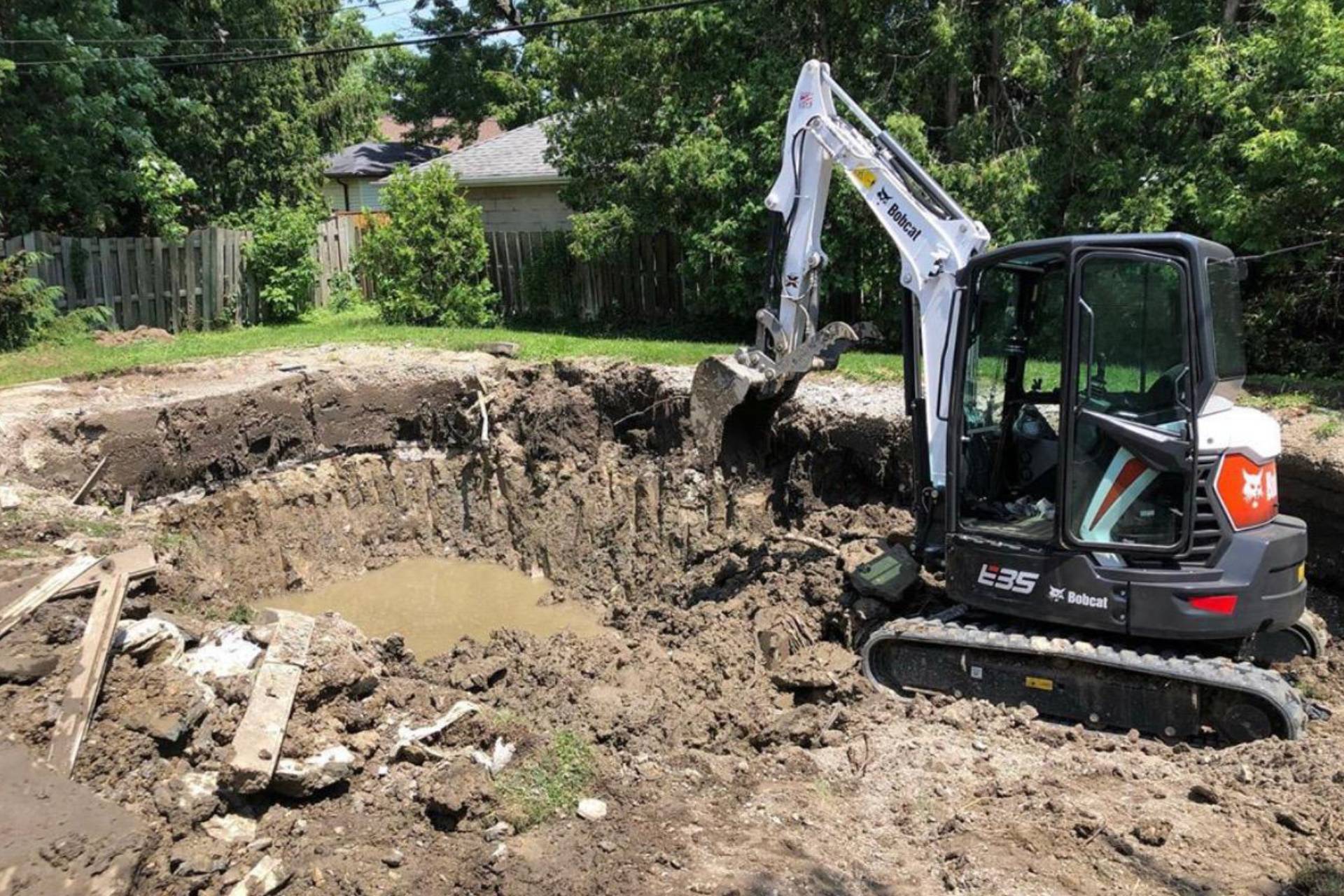
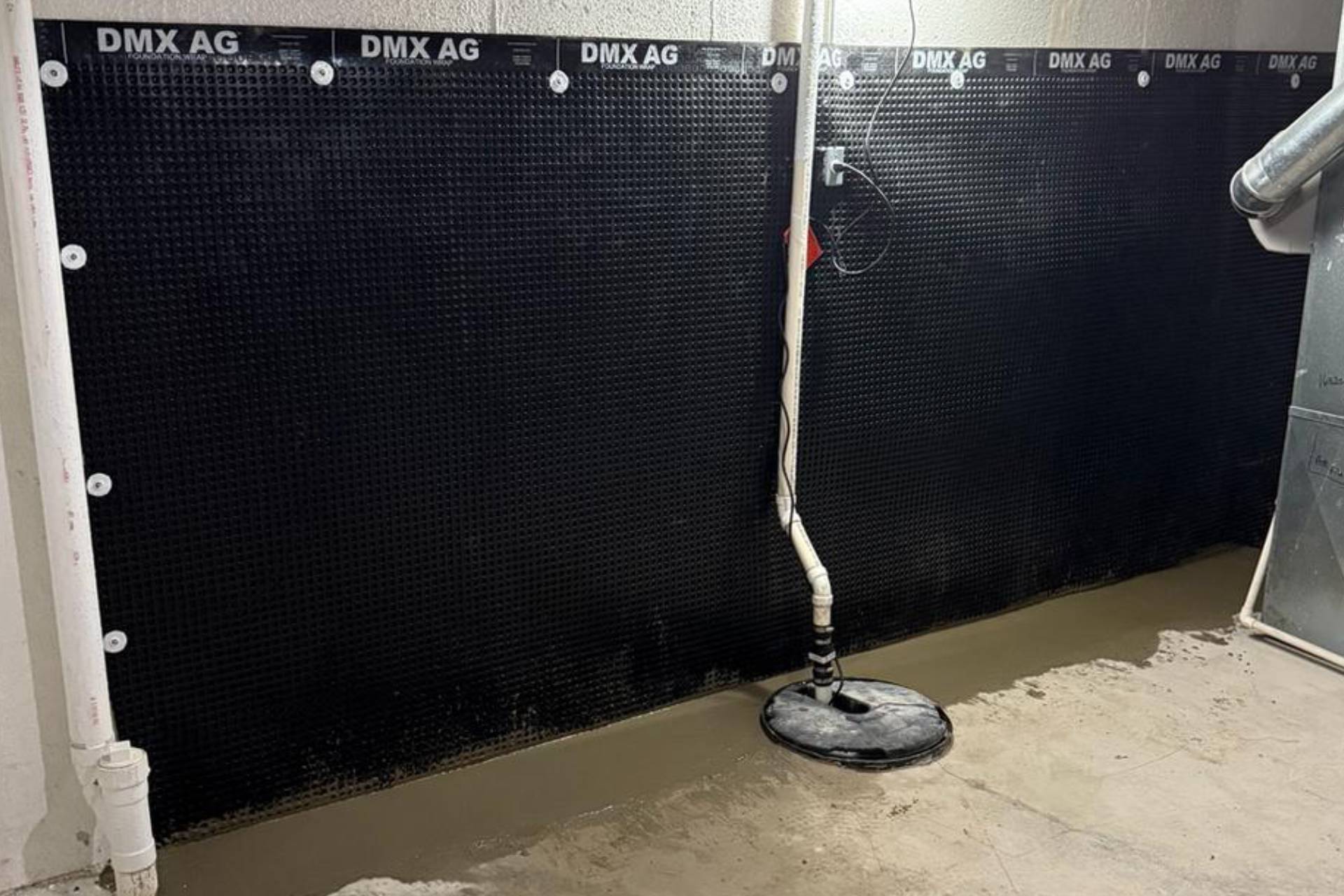
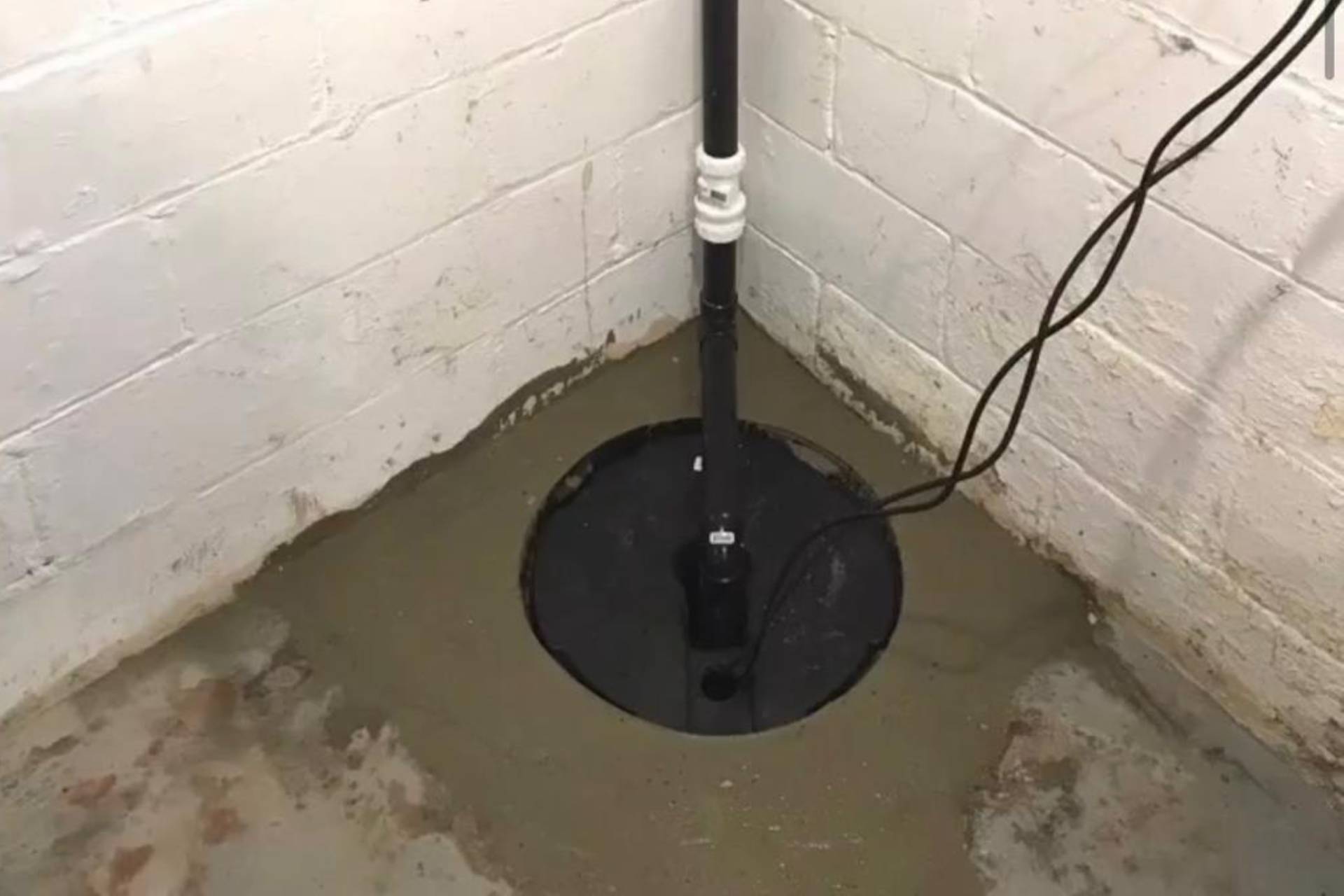
What does work is an interior drain tile system cut in along the footing, running to a sump with a battery backup. It catches water from the whole wall instead of chasing one spot. Exterior excavation is the other route, and it’s the better one in some houses, but on the tight lots off Kercheval and in the streets near Wayburn there often isn’t room to dig without going through a neighbor’s driveway.
The lake side of the Park
Down by Windmill Pointe and along the water the houses get bigger and the lots wider, and the ground gets wetter. Lake St. Clair holds the water table high, and the clay down there stays saturated most of the spring. Those homes are good candidates for exterior work because we can actually get a machine to the wall. They also tend to have finished basements worth protecting, which changes the math on a backup pump. A second pump on a battery or on city water pressure is cheap next to drywall and carpet.
Where we’d put your money
If you can only do one thing this year, stop the sewer from coming back in. If you’ve already done that and you still see damp walls or a wet line along the floor after a few days of rain, that’s when the drain tile and sump come next. Cosmetic sealers painted on the inside of the wall are the last thing we’d spend on in a Park basement. They peel, and the water behind them keeps coming.