Franklin basements, from the historic district outward
Franklin was settled in 1824 and 1825 and has been called “The Town That Time Forgot” for a long time. Its stretch of Franklin Road between Fourteen Mile and Scenic Drive became the first historic district in Michigan listed on the National Register, back in 1969. The Rouge River forms the district’s eastern edge. That’s the oldest ground in the village and it’s where the oldest foundations are.
Back in the 1830s, Franklin had flour and feed mills, a lumber mill and a brick and tile yard. Some of the material in the oldest cellars here was probably made a few hundred yards away. It has held up for a very long time. It was also never designed to keep a finished basement dry.
Old houses on Franklin Road
The district runs to Greek Revival, bungalows and Colonial Revival, with houses like the upright-and-wing Kreger House from around 1850. Foundations from that period are stone, rubble or soft brick, often with a crawlspace on one side and a short cellar on the other. When those leak, water usually comes through the mortar low on the wall or seeps up at the base.
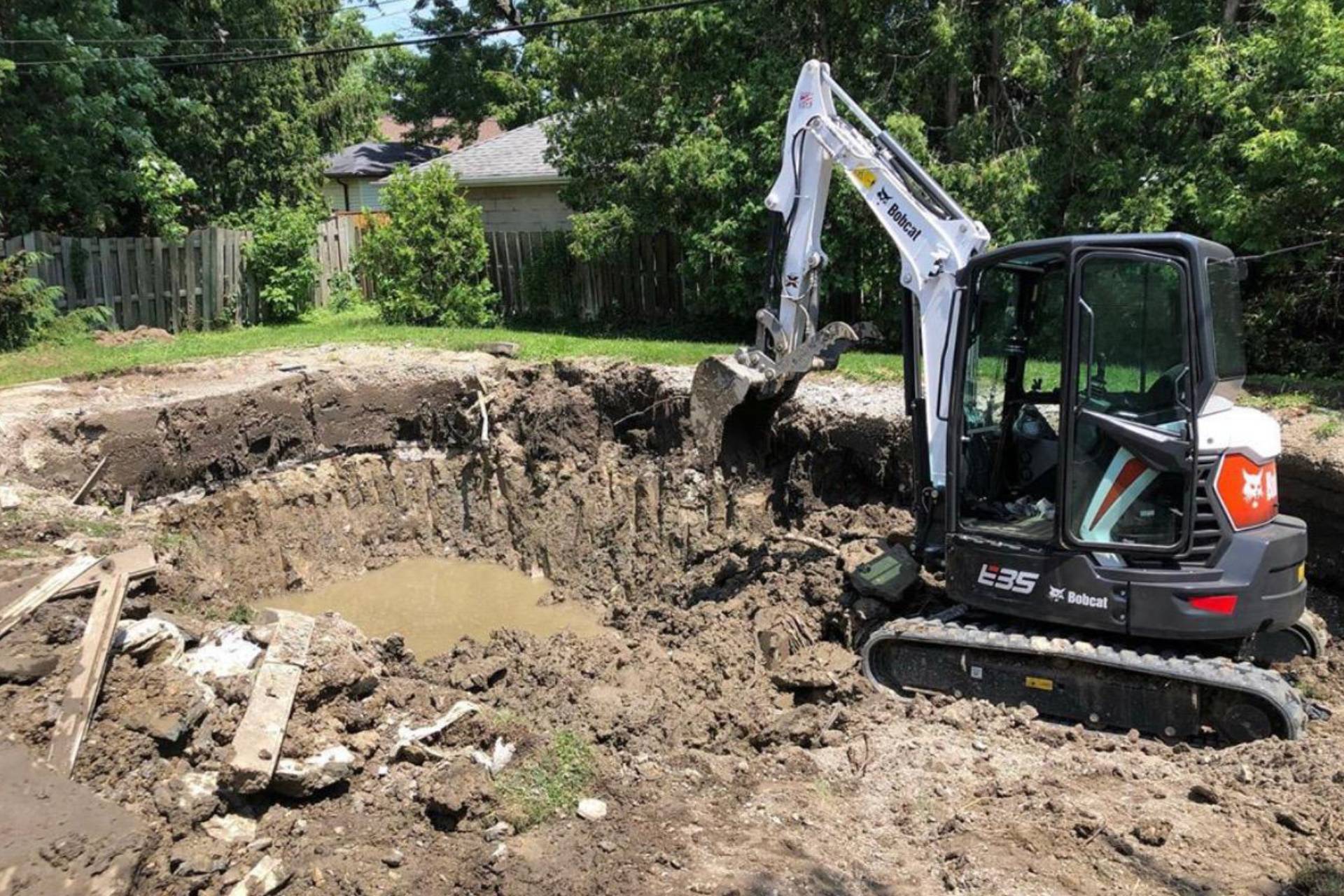
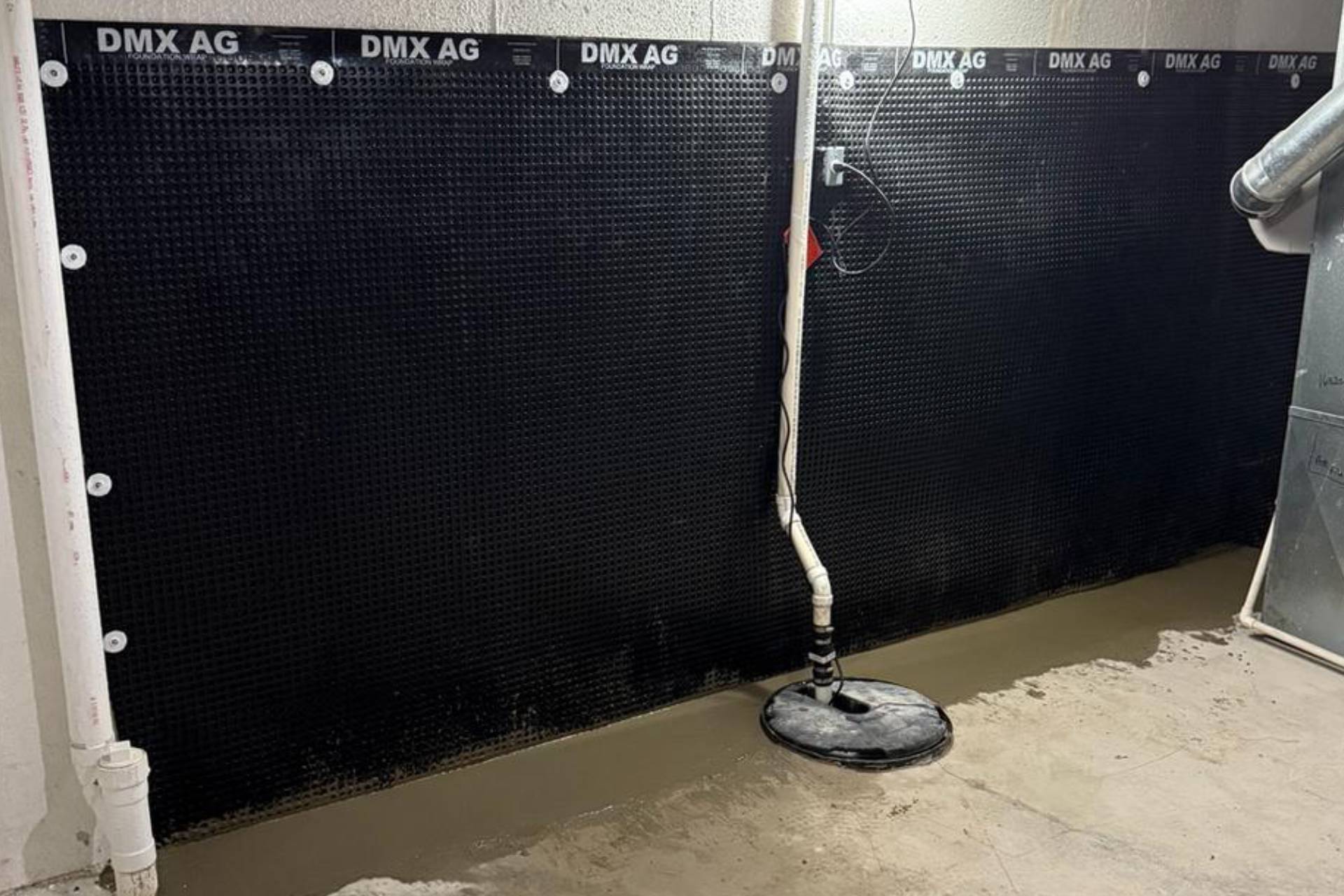
Our honest view is that you don’t try to make a 170-year-old stone wall watertight. You give the water a path that isn’t across your floor. An interior perimeter drain, a sump in the lowest corner, and good grading outside take care of most of it. Digging along an old rubble wall can undermine it, and we won’t do it unless there’s no other option.
If your house is in the district, it’s worth a call to the village before any outside work that changes what you see from the street, like a new window well. Buried drainage generally isn’t that kind of change, but ask.
The big lots and the 1950s and 60s houses
In the 1920s a local developer laid out large single-family lots, and when the village incorporated in 1953 it kept that pattern. Plenty of what sits on them now is postwar. Over in Dorchester Hills, along the Cromwell drives, you’ll find ranches from the early 1950s on lots close to an acre, and split-levels from around 1960, set well back from the road under big trees.
Those houses mostly sit on concrete block. Block takes on water through the joints and the hollow cores, and in heavy ground it shows up as a wet line at the floor. Large lots help with grading, since there’s room to move water away from the house. Large trees work against you. Roots find old clay sewer pipe and footing drains and fill them.
Sewer, septic and what’s in the ground
The village keeps a page on both sewer and septic for its residents, which tells you not every lot is set up the same way. Before we dig anywhere on a Franklin property we want to know where your waste line, any tank and any field are. If you’re on sewer and you’ve had a backup, a camera inspection comes first, then usually a backwater valve. If you’re on septic, a backup is a different problem, and we’ll tell you if you need a septic contractor instead of us.
Near the river
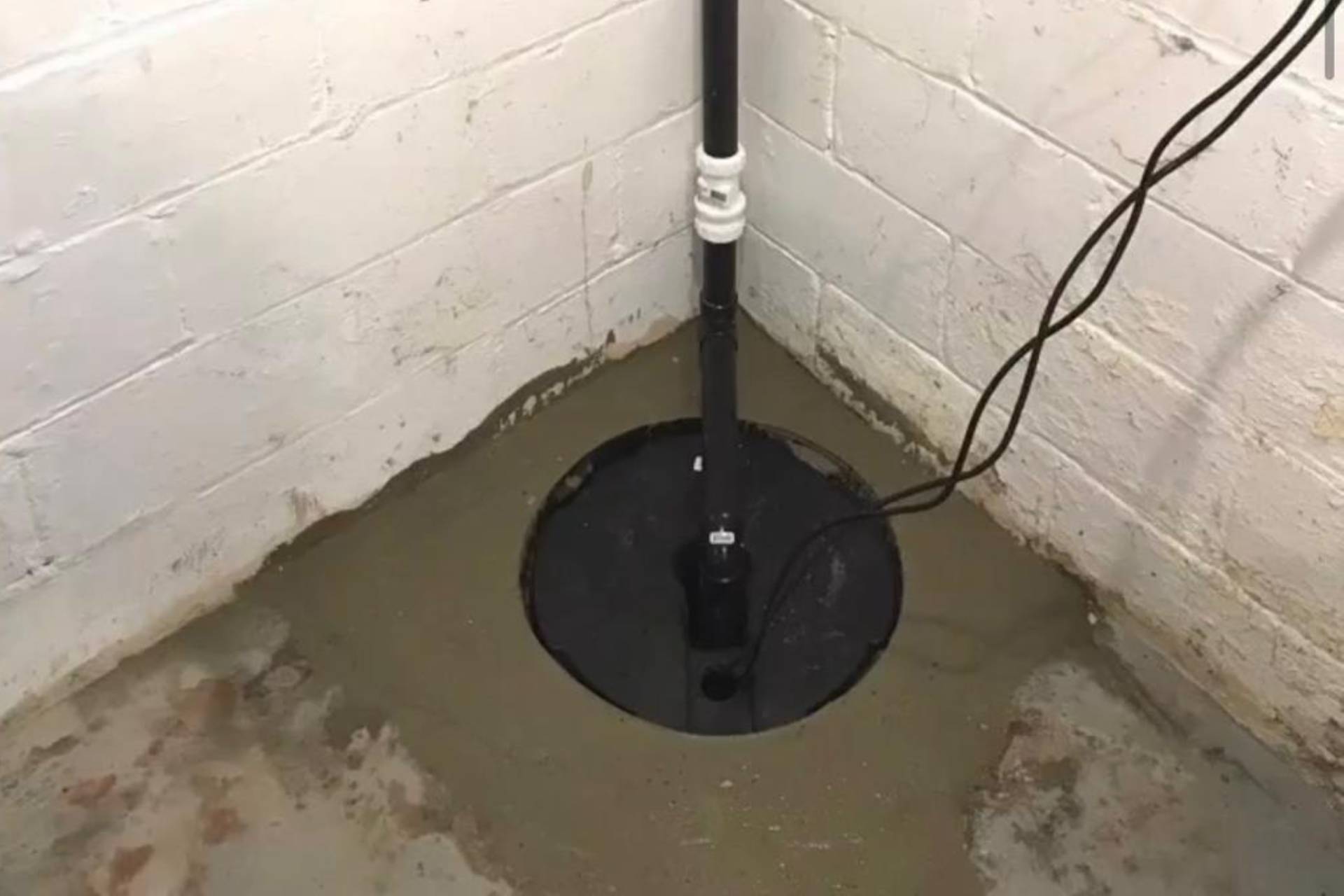
The Franklin River and the Rouge both run near the village. Low lots near them see a high water table for days after a storm, with clear water coming up at the floor joint. A reliable sump pump with a backup is the most important thing in those basements.
We’re about 40 minutes from Franklin, from our shop in Shelby Township. The estimate is free.