Farmington Hills basements sit on the Rouge headwaters
The main branch of the Rouge River starts in Farmington Hills, where the Minnow Pond Drain and the Seeley Drain come together. Other tributaries gather nearby, and by the time the river reaches Dearborn, the Rouge has become the most built-up watershed in Michigan. If you live here, you live on the ground that feeds it.
That ground is mostly clay, rolling in places and flat in others. It holds water against a foundation for days after a storm, swells when it’s wet, and shrinks and cracks in a dry August. Unlike the lake townships to the north, the problem here usually isn’t a high water table. It’s water that can’t drain away from the wall.
The age of the house tells us most of what we need
Quaker settlers came in 1824 and the area was called Quakertown for a while, but the city as most people know it is a postwar suburb. It incorporated in 1973, and most of the subdivisions we work in date from the mid-1950s on.
Late 1950s to early 1970s
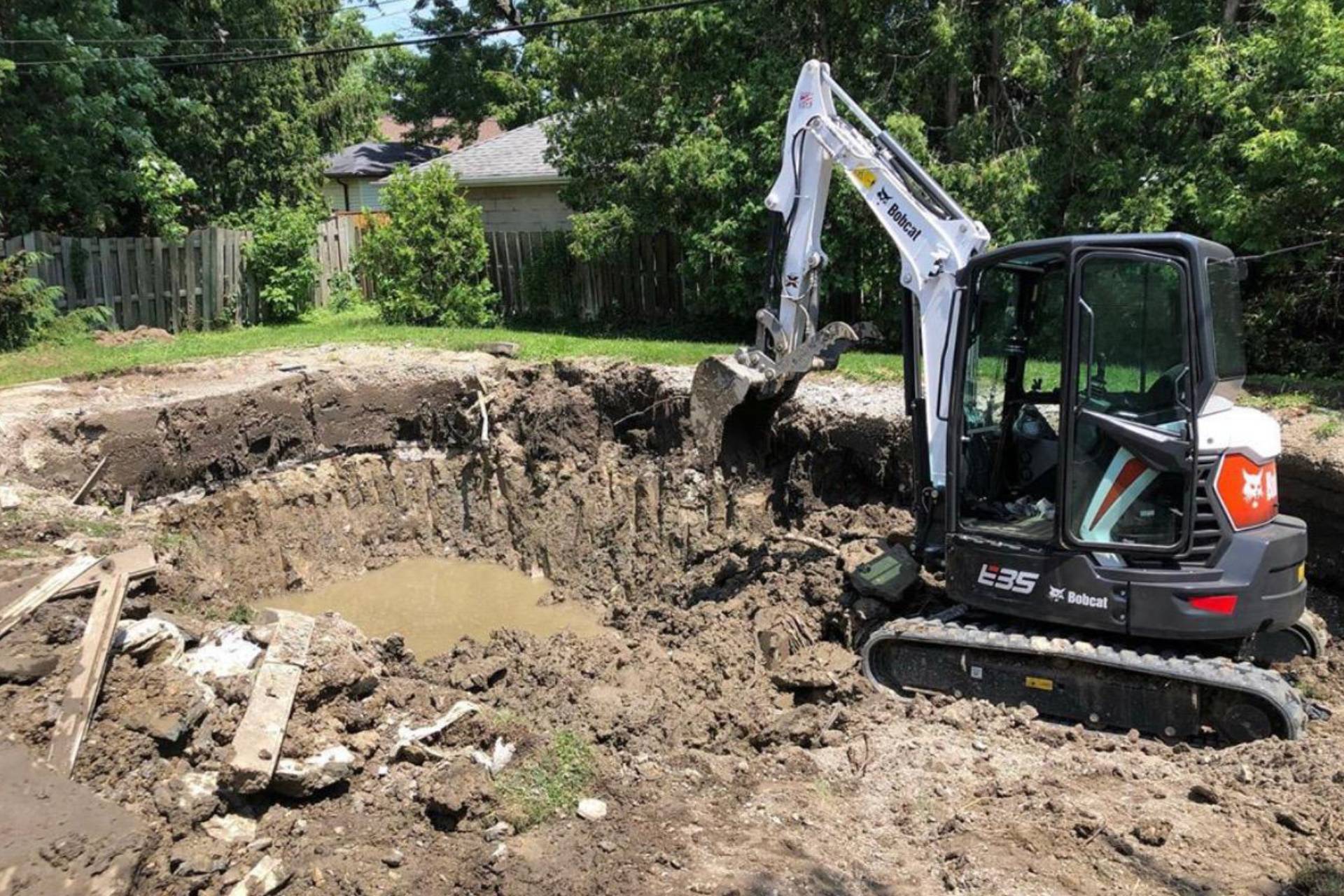
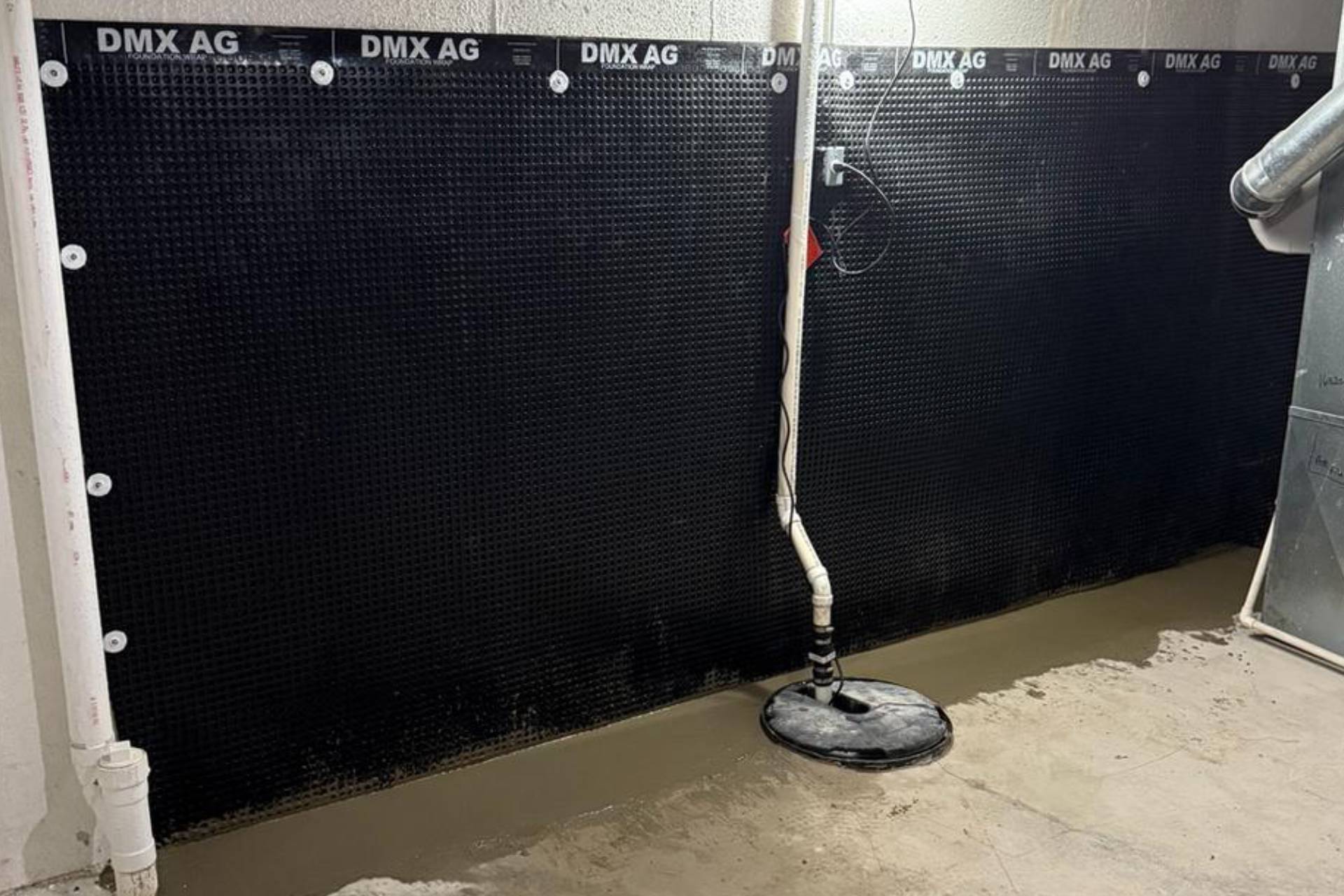
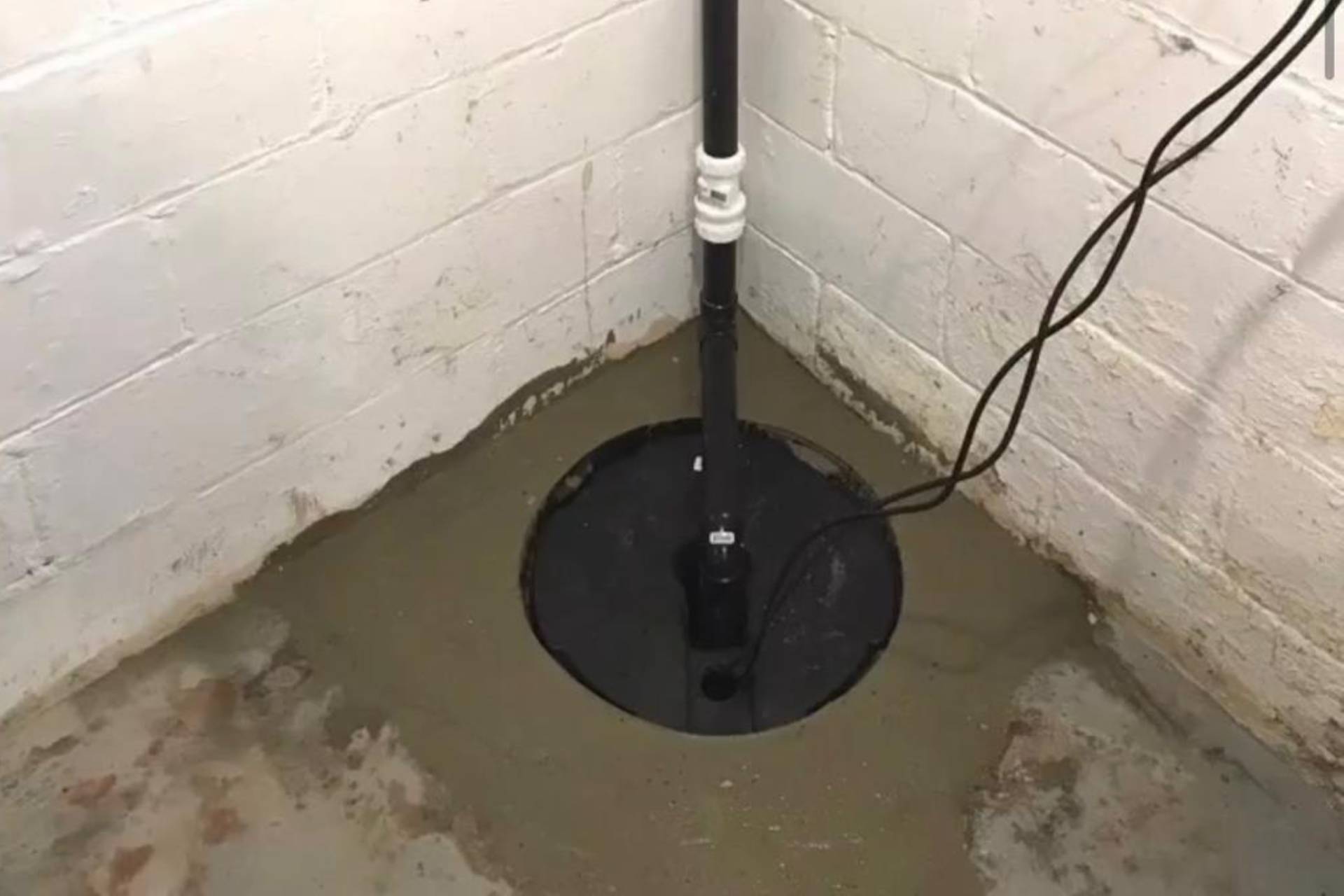
Neighborhoods like Briar Hill, north of 13 Mile and west of Farmington Road, and Old Homestead filled in during these years with ranches, colonials and tri-levels. Most have concrete block basements. Block leaks at the joints and holds water in its hollow cores, and the clay drain tile from that era is usually partly plugged by now. These are the houses where interior drain tile and a sump do the most good.
Tri-levels deserve their own mention. The lower family room is half underground, often on a slab with no drainage under it, and it’s the room that floods.
Late 1970s through the 1990s
Farmington Square, north of 9 Mile between Haggerty and Halsted, went up between 1978 and 1987. Halsted Estates near Grand River is mostly 1980s and ’90s. Houses from these years are mostly poured concrete. The walls are solid, and leaks tend to be one shrinkage crack, a tie-rod hole or the spot where the water line comes through. One crack, one injection, done. We’ll tell you if that’s all you need.
Sewer backups are a separate problem
When a floor drain backs up during a downpour, that’s sewage, not groundwater, and it calls for a different fix. Farmington Hills is served by the county’s Evergreen-Farmington sanitary system, which has had enough overflow trouble that the county built a corrective action plan and a large overflow storage project around it. In the worst storms, public lines fill and push back toward the lowest drains on the street.
Two things protect you. A camera inspection of your own line comes first, because a cracked or root-filled lateral from the 1960s can cause backups on its own. Then a backwater valve, which lets sewage leave the house but won’t let it come back in.
What we’d check first
Before any of that, look outside. Clay lots settle around a house over decades, and in a lot of older subdivisions here the ground now pitches toward the foundation. Downspouts that empty a foot from the wall feed water exactly where you don’t want it. Fixing those costs very little and sometimes ends the leak. Run the extensions out at least six to ten feet, and make sure the patio or walk next to the house hasn’t sunk and started tipping water back toward the wall.
We’re about 40 minutes from our Shelby Township shop and open 8 to 8 every day. The estimate is free.