How Clawson’s basements got the way they are
Clawson grew up around one corner. 14 Mile started as a township line road and Main Street was the old Niles Road, and for most of the 1800s the four corners were split between Troy and Royal Oak townships. The village charter came in 1920 and the city in 1940.
The houses came in two bursts. The first was in the 1910s and ’20s, when a lot of people built from catalogs. Clawson’s historical museum has tracked down dozens of catalog houses from Sears, Montgomery Ward, Aladdin and Lewis. There’s a Wardway Cranford on Selfridge, a Sears Hathaway on Phillips, a Sears Chesterfield on Hendrickson, and a cluster of Wardway models along Broadacre. The second burst came after the war. About 500 new homes went up by 1949, and through the 1950s the population nearly tripled. That’s when most of the ranches and small colonials went in, on eight-inch concrete block.
Some of that postwar Clawson used to be Troy. In the early 1950s Clawson annexed land from what was then Troy Township, one of the reasons Troy hurried to incorporate in 1955, and that land filled in during the same building boom as the rest of town. Same decade, same block walls, same clay.
Block walls on flat clay
Clawson sits on the same flat lake-plain clay as the rest of this corner of the county. It doesn’t drain. After a heavy rain the ground next to your foundation stays saturated for days, and block lets that water in two ways. It seeps through the mortar joints, and it fills the hollow cores and leaks out at the bottom, where the wall meets the floor. You see it as a dark line along the cove joint, or white chalky streaks running down the block.
The kit houses are their own case. Their basements were built by local crews to whatever standard that crew kept, and many still have clay drain tile that quit decades ago.
Small pipes, big storms
Under the street, Clawson runs a combined sewer. Stormwater and wastewater share the pipe, and the city says some of its mains are only 10 to 12 inches across. Storms that drop two or three inches in an hour, which the city notes keep showing up more often than the experts predict, fill those pipes quickly. Streets are supposed to pond while the system catches up. When it can’t, water backs up into basement floor drains, and that’s what most Clawson homeowners mean when they say they flooded.
All of it drains into the George W. Kuhn district too, the same regional system that was overwhelmed in August 2014. Afterward, Clawson residents joined Royal Oak residents in class action suits arguing the flooding was man-made, the result of sewers that weren’t maintained. Whatever you think of that argument, the practical lesson for a homeowner is the same. Don’t count on the pipe in the street. Protect the house from your side of it.
What actually helps
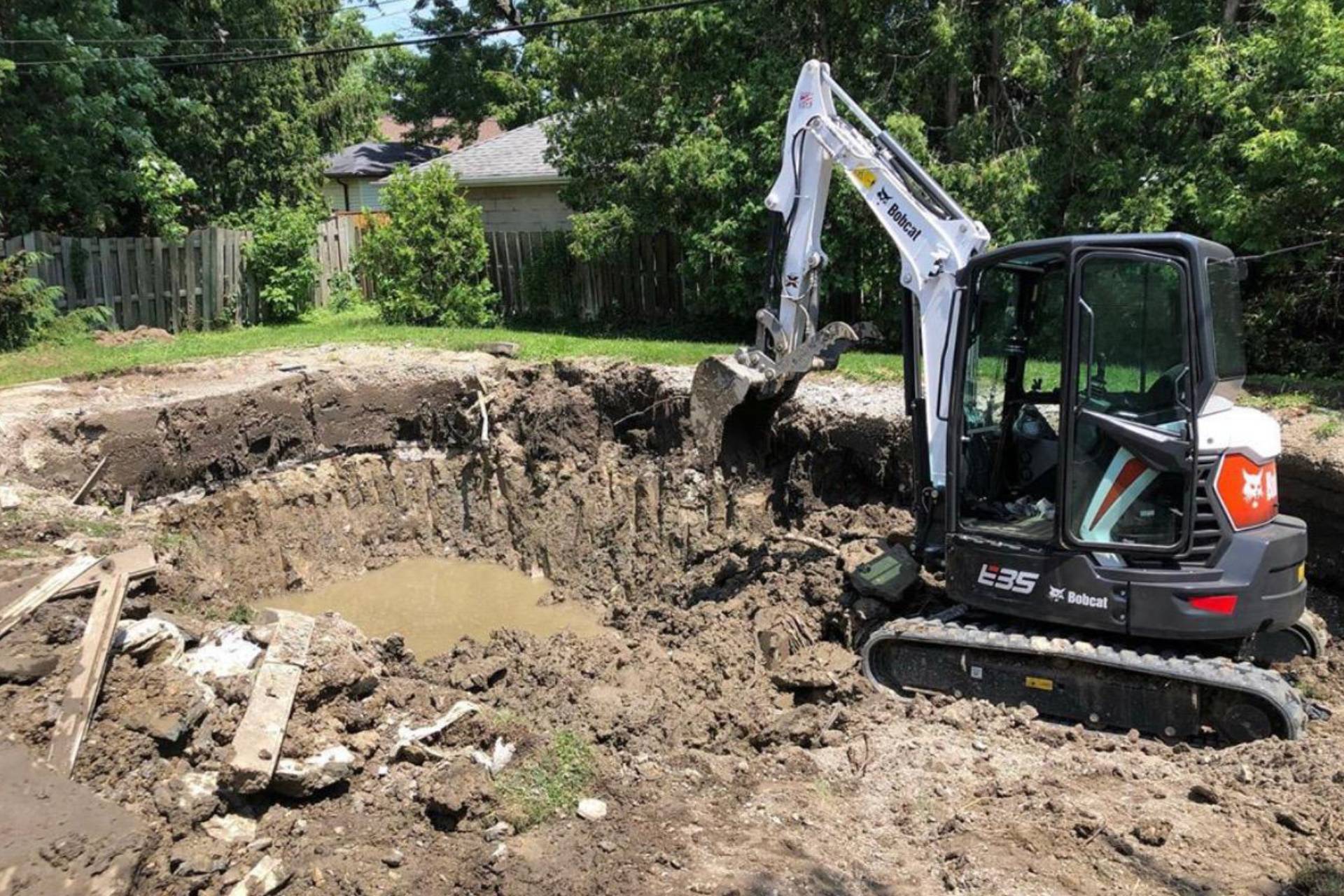
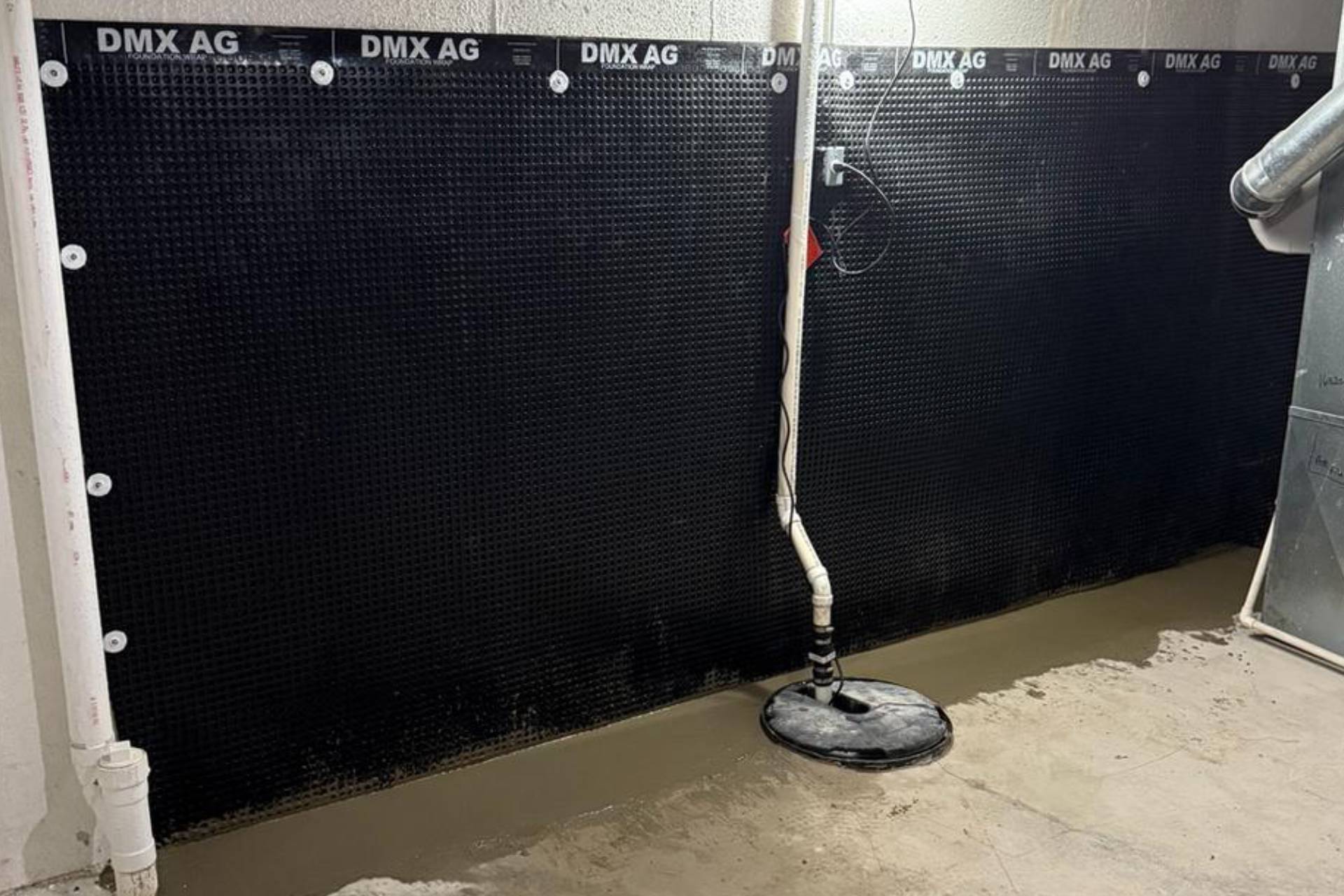
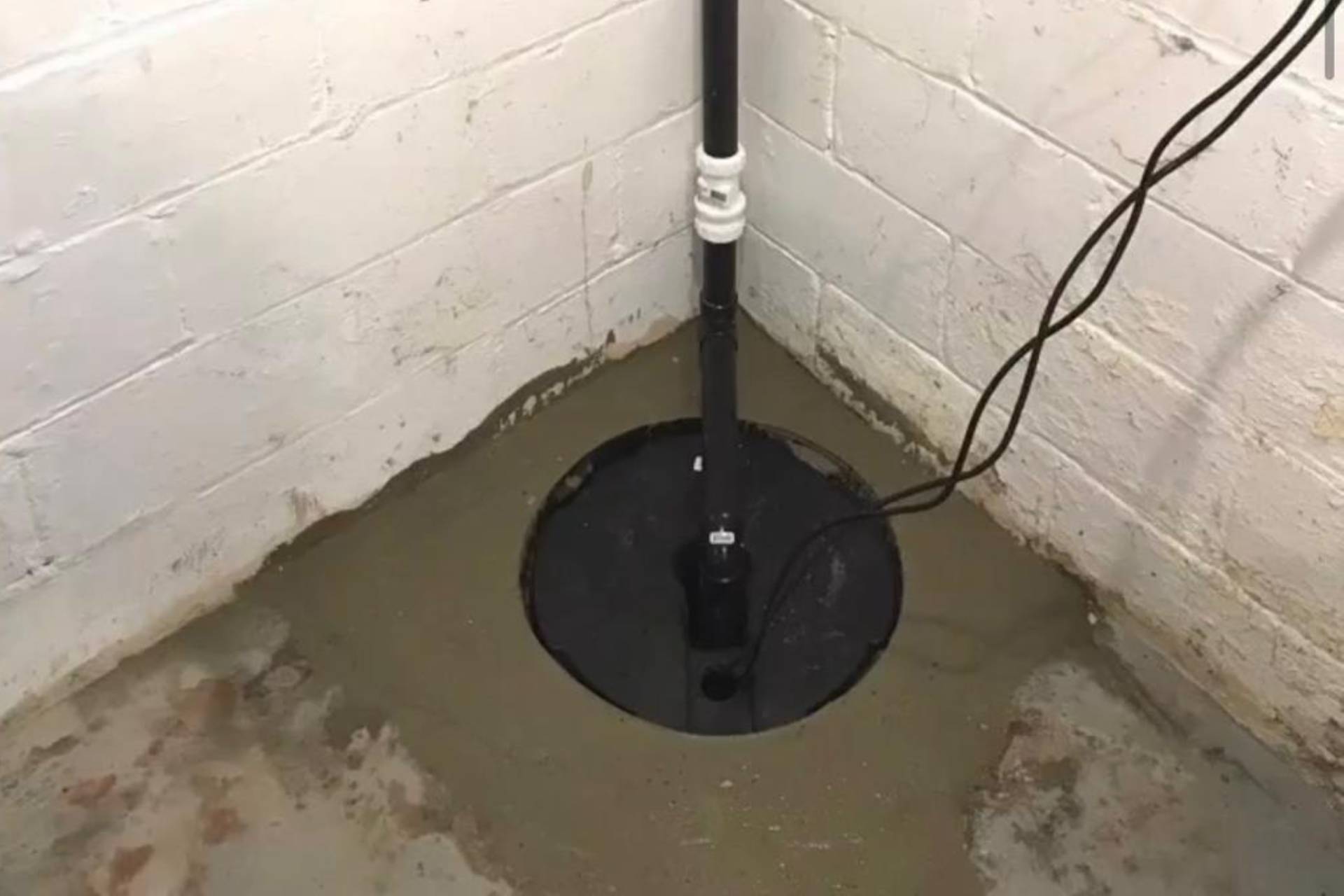
For a backup through the floor drain, a backwater valve and a clean lateral do most of the work. For seepage through block, the fix we trust most is interior drain tile running to a sump pump, ideally with a battery backup behind it. One leaking crack usually just needs injection.
And honestly, plenty of damp Clawson basements only need the gutters cleaned and the downspouts run out six feet. If that’s your house, we’ll say so and leave it there.