Bloomfield Township is three or four different basements
Ask us what a typical Bloomfield Township basement looks like and we can’t really answer. The township was set up in 1827, the oldest in Oakland County, and it got built out in layers. A 1920s brick colonial in Bloomfield Village, a postwar ranch in Hickory Heights and a 1990s house on a lake lot all share a mailing address and almost nothing else below grade.
The main branch of the Rouge River starts here, in the northeast corner of the township, and close to 1.4 square miles of the township is water. That gives you an idea of how much ground here sits near a lake, a pond or a wet low spot.
Bloomfield Village and the 1920s houses
Judson Bradway turned the old Hupp farm into Bloomfield Village, between Quarton and Maple with Lahser on the west, and he was strict about it. Every house plan needed approval and garage doors couldn’t face the street. Sixty homes stood there by 1928 and 167 by 1929, then the Depression slowed everything down.
Those houses are on brick or clay-tile foundations, with clay drain tile around the footing that was laid when Coolidge was president. It’s almost always plugged by now. What we see is dampness along the base of the wall, white mineral crust on the brick, and water at the floor joint after a long rain. Sewer laterals on these lots are old clay too, and roots love the joints.
The 1950s and 1960s subdivisions
Starting in the 1950s the farms that were left got subdivided one at a time. Westchester Village came off the Mercer farm. Chapel Hills was pieced together from several farms. Hickory Heights, at Adams and Wattles, grew into one of the biggest subdivisions in the township.
Most of those houses sit on concrete block. Block leaks two ways. Water seeps through the mortar joints, and it fills the hollow cores and drains out at the bottom course where you can’t see it until the carpet is wet. A block wall that has started to bow inward along a horizontal joint is a different conversation, and one we’ll want to look at in person.
On Wing Lake and Gilbert Lake, the lake sets the water level
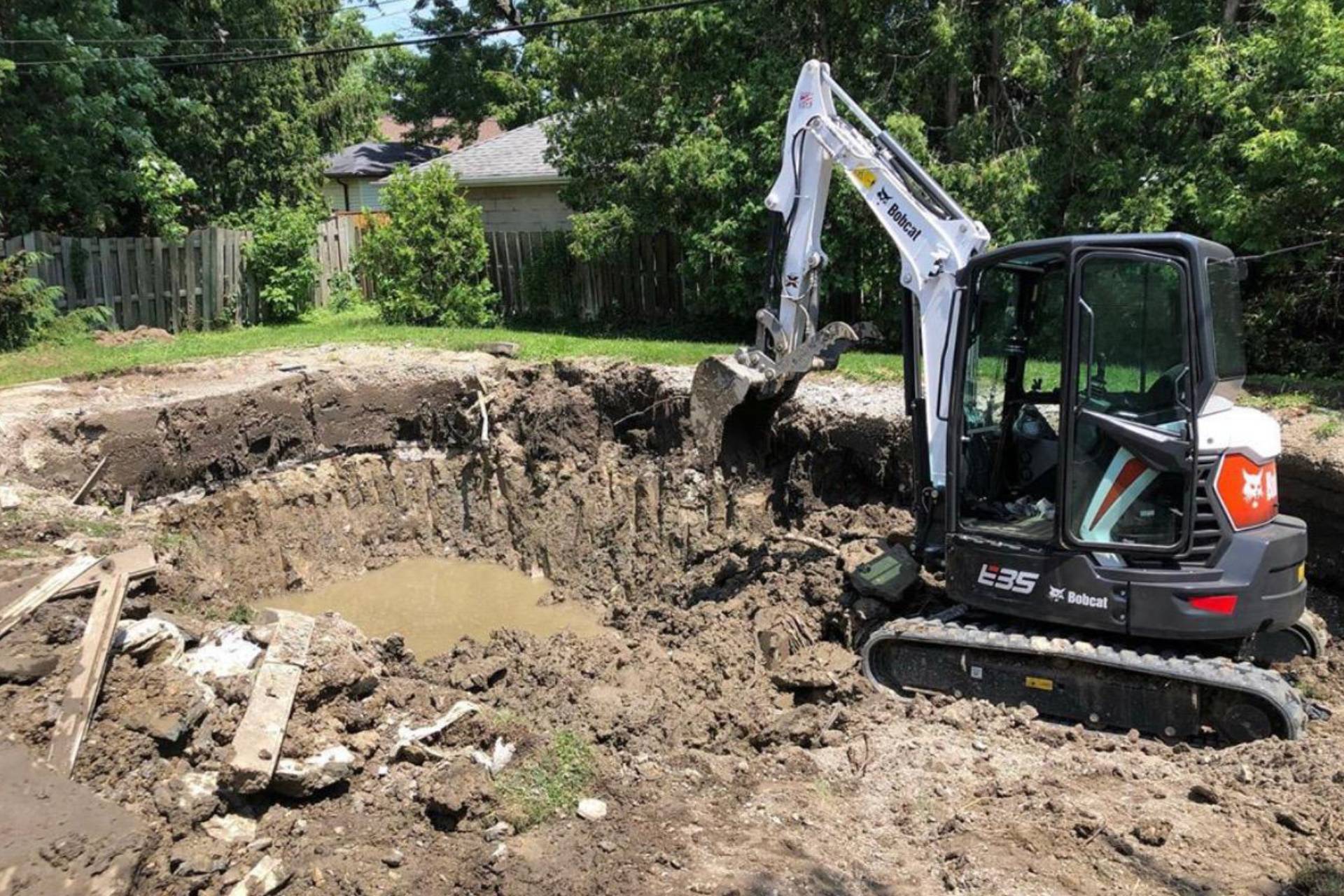
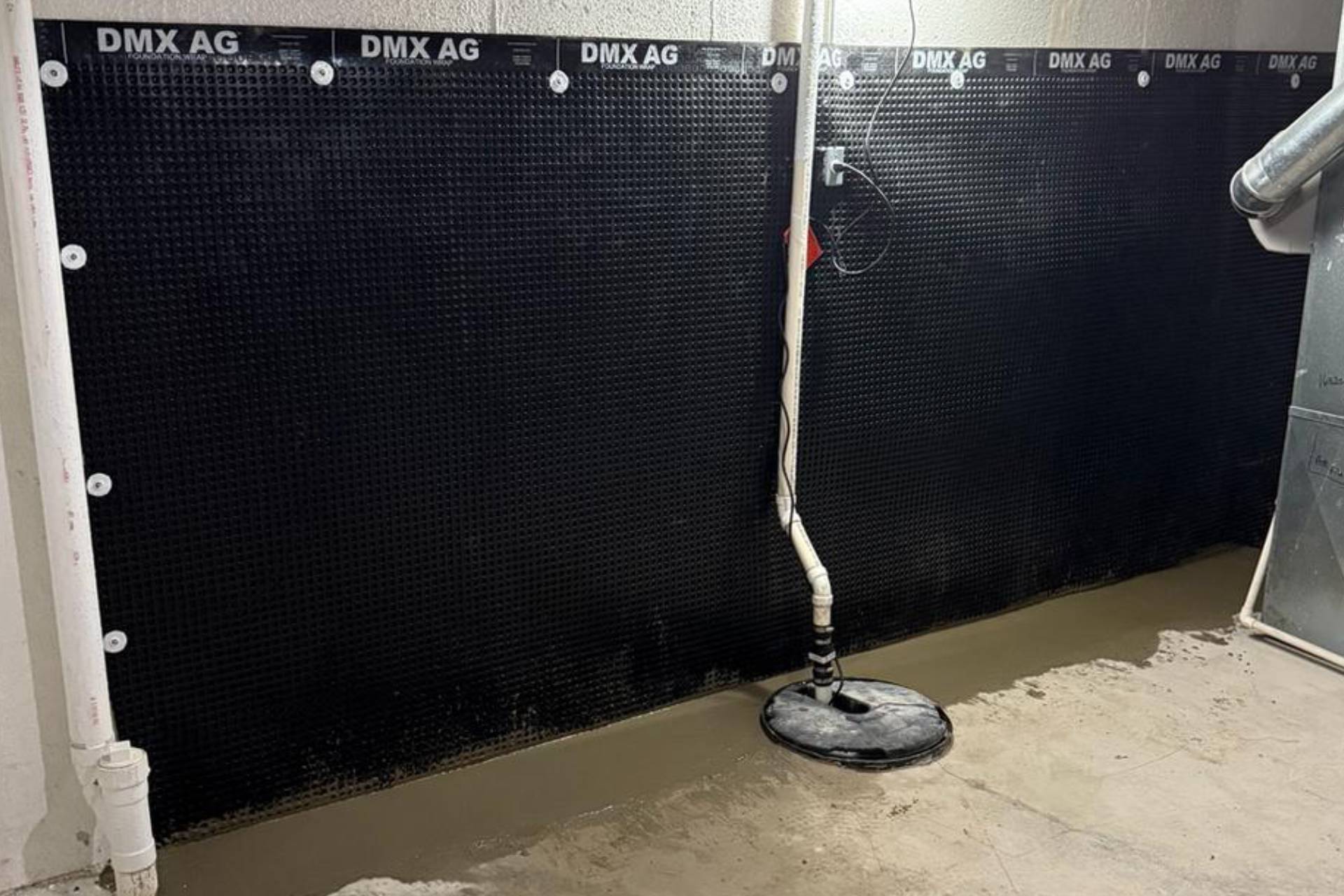
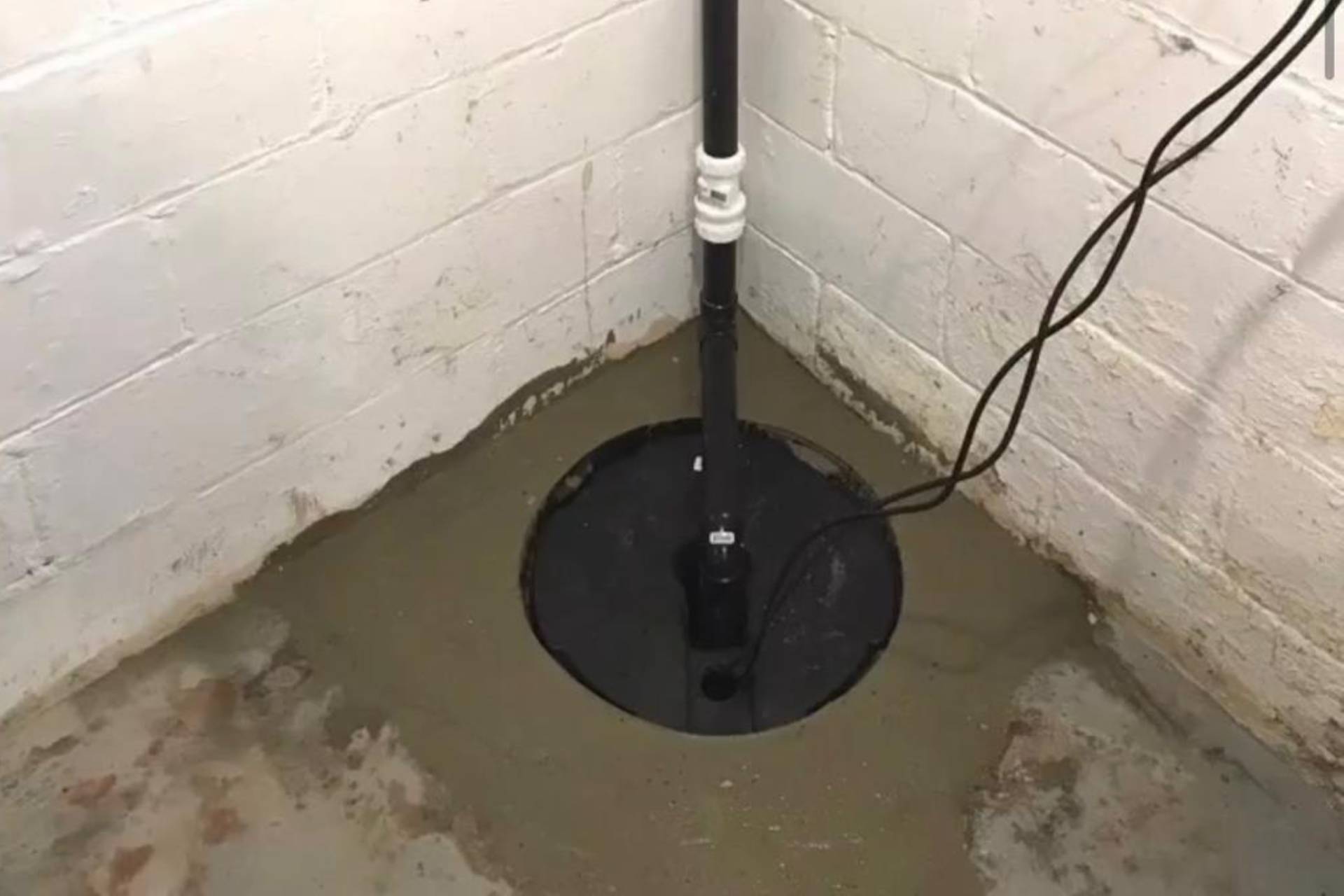
Broughton Park, platted in 1914 on the north shore of Wing Lake, was one of the township’s first subdivisions. Around it, Wing Lake Shores filled in with houses from the late 1960s to around 2000. Near the lakes the water table sits close to the bottom of the footings for a good part of the year. Sealing walls won’t fix that. You need a way to collect water under and around the floor and pump it out, which is why we push hard for a reliable sump pump with a backup on any lake lot.
Lake houses also tend to have additions. The joint where the new foundation meets the old one is a favorite leak spot, and it usually needs attention from outside.
If sewage backs up
The township is clear that it doesn’t repair private sewer leads. The pipe from your house to the main is yours. If you get a backup, call the township’s Water and Sewer Division right away so they can check whether the public main is blocked. If you want to file a claim, Michigan law gives you 45 days from the day you find the damage to get it to the township clerk in writing. Miss that and you lose the claim.
After that, we’d run a camera through your line. A lot of the backups we see in older parts of the township turn out to be roots in a clay lateral, which hydrojetting clears and a liner or spot repair fixes. If the line is fine and the main surcharged, a backwater valve is the real answer.
We’re about 35 minutes from the shop in Shelby Township, depending on which end of the township you’re in. Estimates cost nothing.