Birmingham basements in a town that keeps rebuilding
Birmingham’s planning department counted 563 structures demolished for new construction between 2015 and 2020, close to a hundred a year. Walk a street in Poppleton Park or around Holy Name and you’ll see the pattern. A 1920s Colonial Revival, then a new house on a deep basement, then another 1920s house. That’s the single biggest thing changing basements here.
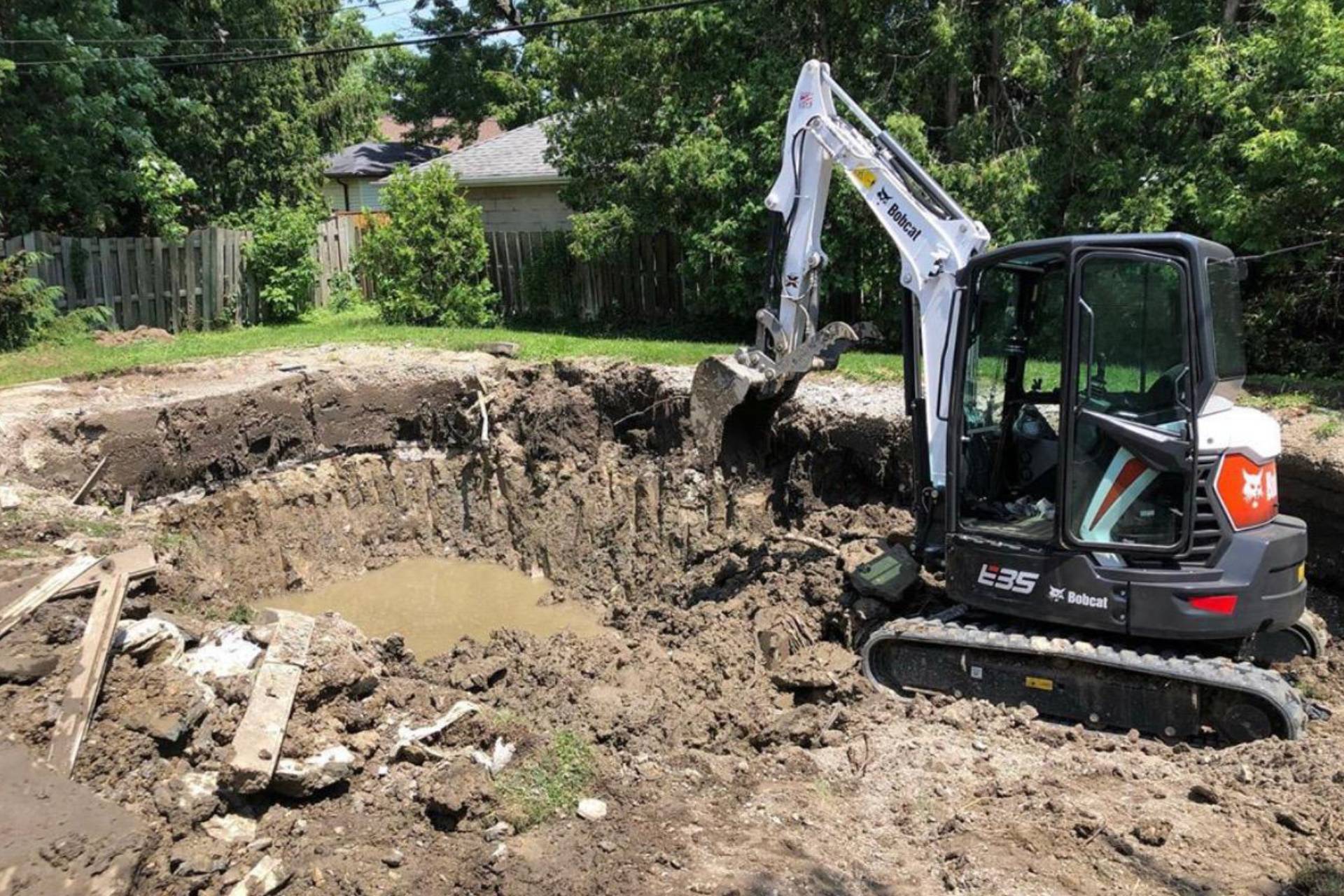
A new house disturbs a lot of ground. The excavation goes deeper than the old one did, the backfill settles for years, and the roof, driveway and patio all shed more water. If that water is graded or piped toward the lot line, the older house next door ends up with wetter clay against a wall that went up in 1925. Some of our Birmingham calls come from people who never had a drop until the house next door was built.
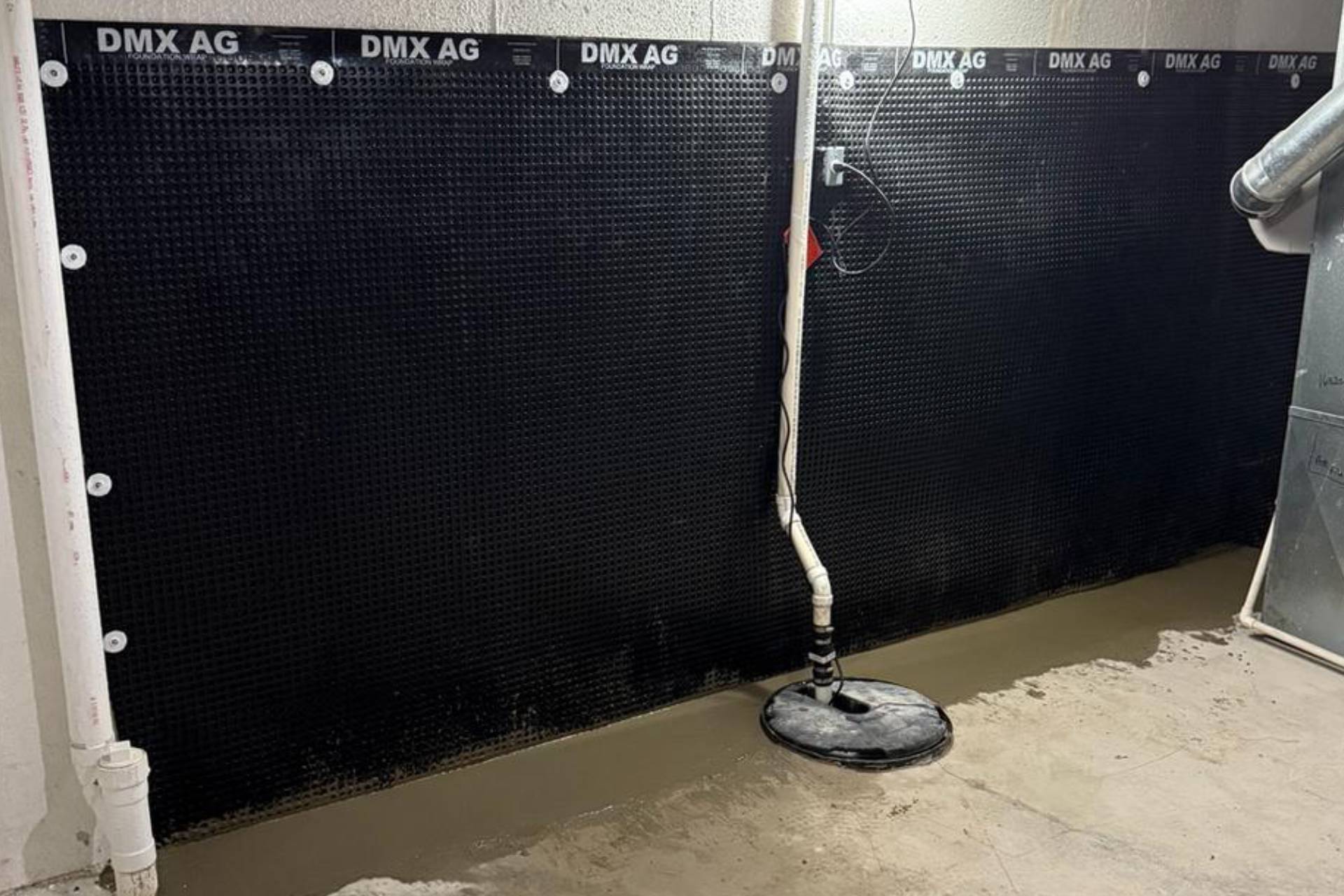
If you’re the one building, it’s worth doing the new foundation right while it’s open. Membrane on the outside of the wall, footing drains to a sump, clean gravel backfill, and a discharge that goes somewhere other than the neighbor’s side yard. That work is far easier before backfill than any time after, and it keeps you on good terms with the people who’ll be living next to you for the next twenty years.
What’s under the older houses
Much of Birmingham went up between the 1920s and the 1960s. Quarton Lake Estates was laid out in the 1910s with deed restrictions that required expensive homes, and it was marketed through the 1920s to people with money. Those houses were well built for their day, but their day was a century ago. Original clay drain tile has silted shut. Stone and early block walls weep at the mortar. Sewer laterals are clay with roots working into them. The ’50s and ’60s houses are mostly block, which leaks at the joints and fills through the cores.
Two sewer districts, one gravity system
Birmingham’s sewers run entirely by gravity, about 116 miles of them, and drain into two county systems, Evergreen-Farmington and the George W. Kuhn. The older parts of town are combined, with rain and sewage in one pipe, and the city has been adding relief and storm sewers during road projects for about 25 years. The system is designed for roughly a 10-year storm, around two inches of rain in an hour.
On August 24, 2023, the gauge at Fire Station No. 1 recorded rain falling at 3.62 inches an hour for a quarter hour that night. The city got 178 flood reports. Some were street water, some were clean water through walls, some were sewage up the floor drain. Each of those needs a different fix, which is why we don’t walk in with a product already picked out.
The Rouge and Quarton Lake
The Rouge runs through the west side of town and is held back at Quarton Lake by a 19-foot earth dam the city built in 1921. After a long wet stretch the river runs high and the ground near the lake stays soft. Homes on the low ground there lean harder on their sumps, and a backup pump stops being optional.
Where we’d start
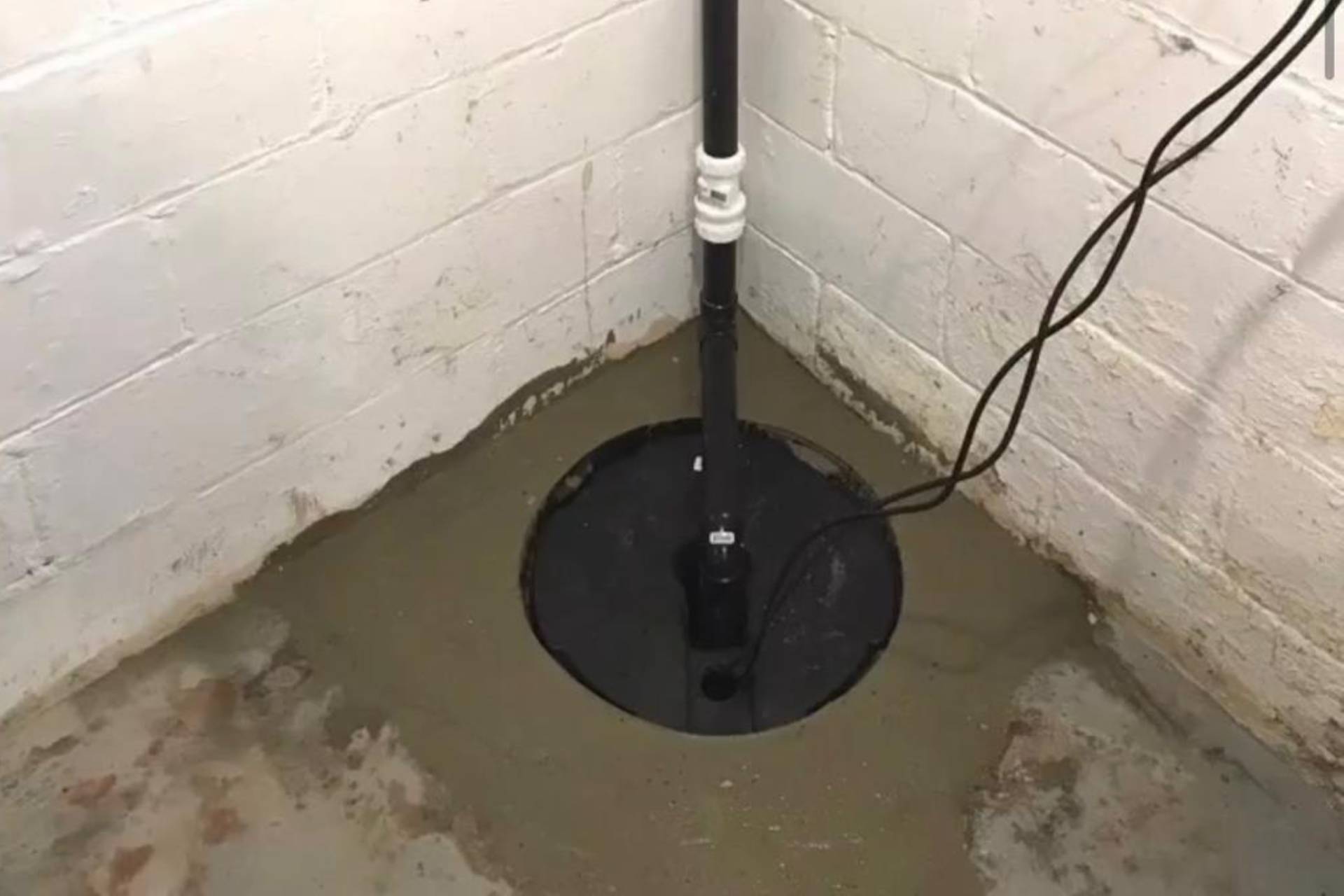
Follow the city’s own advice and put a camera down your sewer lead, then deal with what it shows. Backups through the floor drain call for a backwater valve. Groundwater through the walls calls for drain tile and a sump, or on the right lot, exterior waterproofing. If the leak is new and so is the house next door, we’ll document what we find so you have something concrete to bring to the builder.