Bingham Farms is mostly ravines and the Franklin River
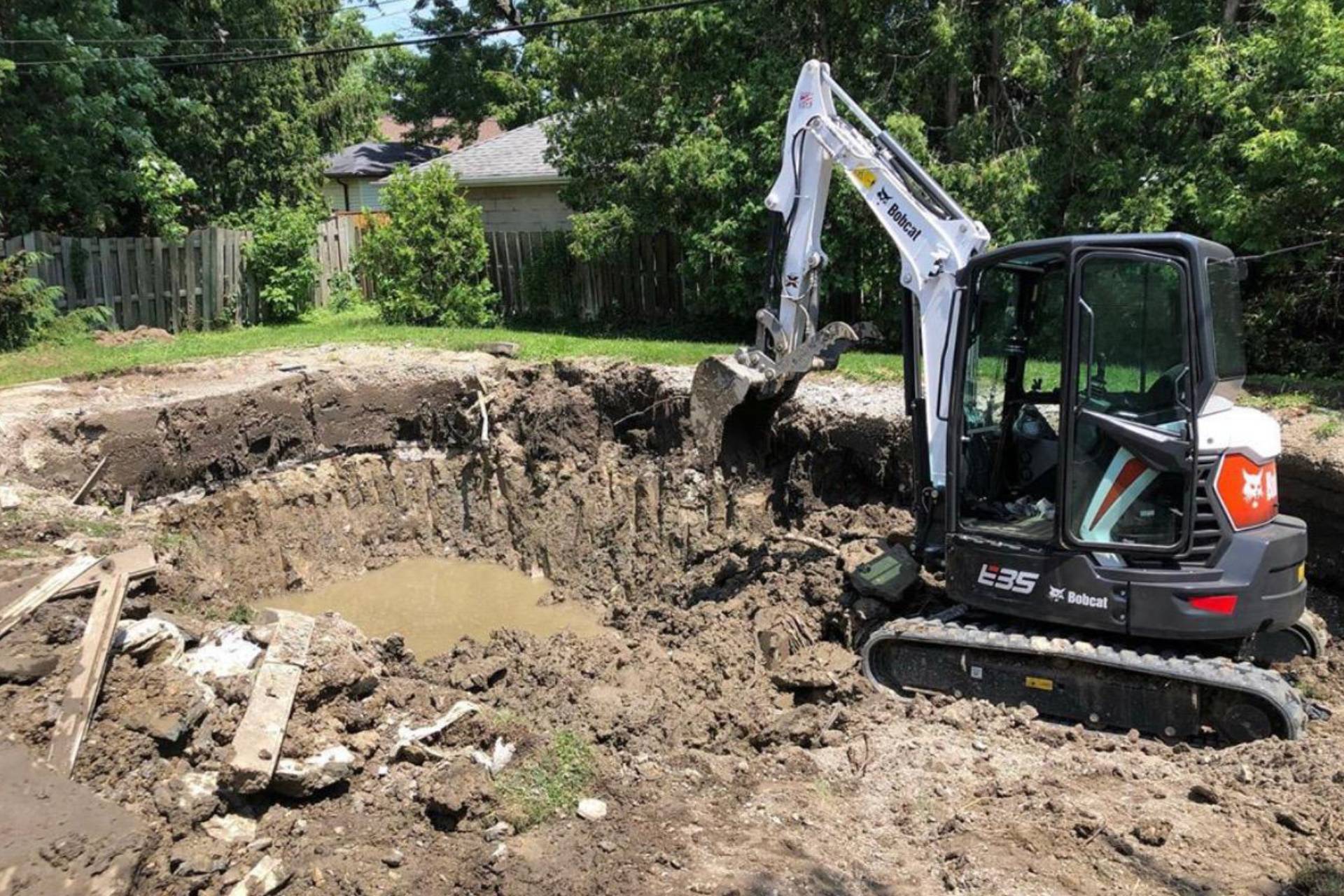
Bingham Farms is small, about a square mile and a quarter east of Telegraph between 12 and a half and 14 Mile. The Franklin River, which is the Franklin branch of the Rouge, winds right through it, and the main branch of the Rouge clips the southeast corner. The village’s own history describes wooded ravines and steep ground that never got flattened out for development. That’s the first thing we think about when a call comes from here.
A house at the top of a ravine and a house at the bottom of one get wet for different reasons. Up top, it’s usually surface water and downspouts. At the bottom, it’s groundwater that has been moving through the hill all week and arrives at your foundation whether or not it’s raining that day. We ask where your house sits on the slope before we ask anything else.
A village that grew slowly on purpose
Residents voted to incorporate in October 1955, partly to avoid being swallowed by the push for one big city in Southfield Township. They kept the roads dirt until 1984, when a vote to pave them barely passed. That tells you something about how the place developed. Farmland and orchards were split into single-family lots a few at a time after 1955, and as late as 1987 around 155 acres were still undeveloped.
So the housing stock is mixed. There are a handful of genuinely old farmhouses on Bingham Road, including a Greek Revival one dated to the 1830s. There are 1950s and 60s ranches, which is what most of our work here looks like. There are later houses built on the lots that filled in last. And there are condos, including the ones in Bingham Woods.
The ranches
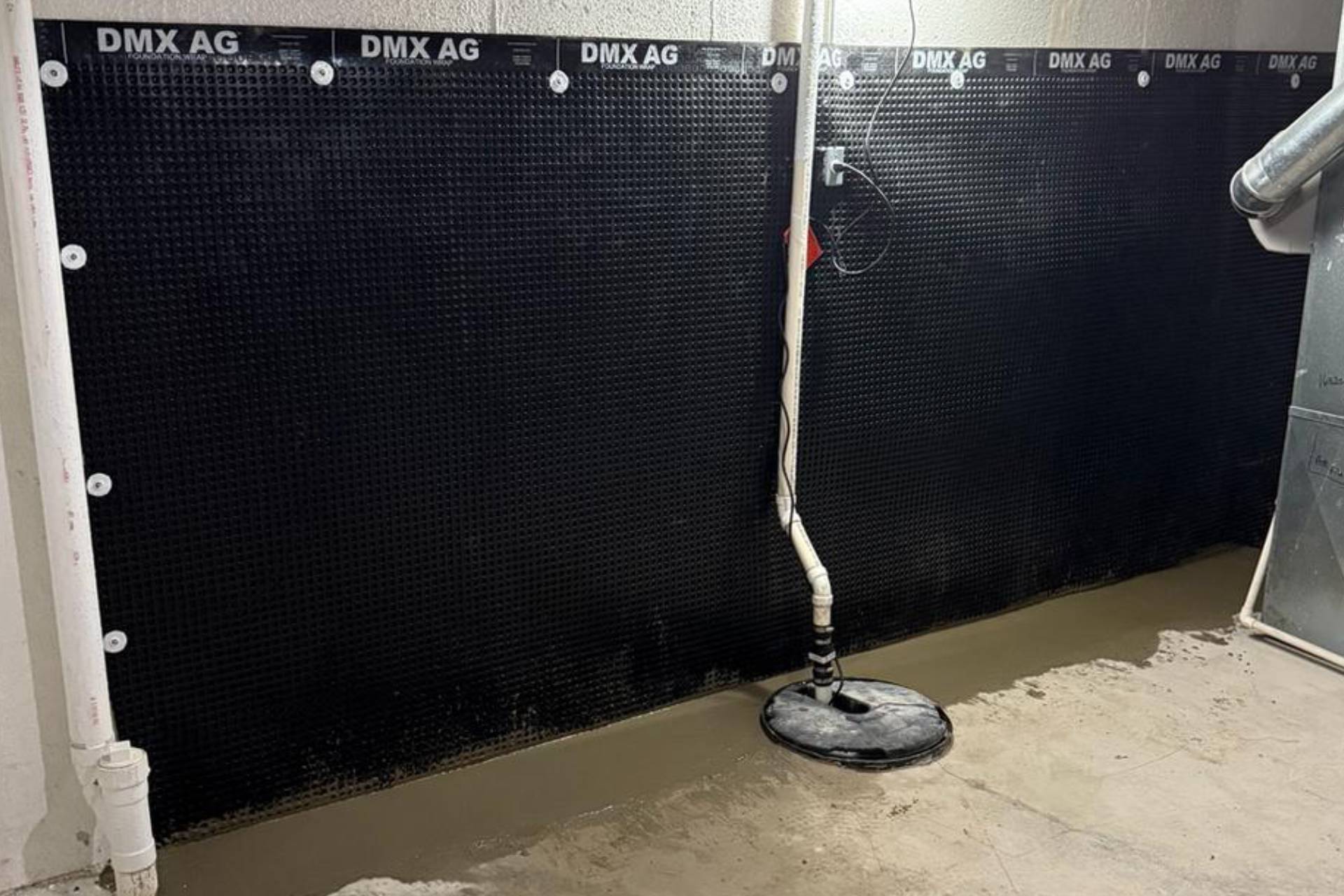
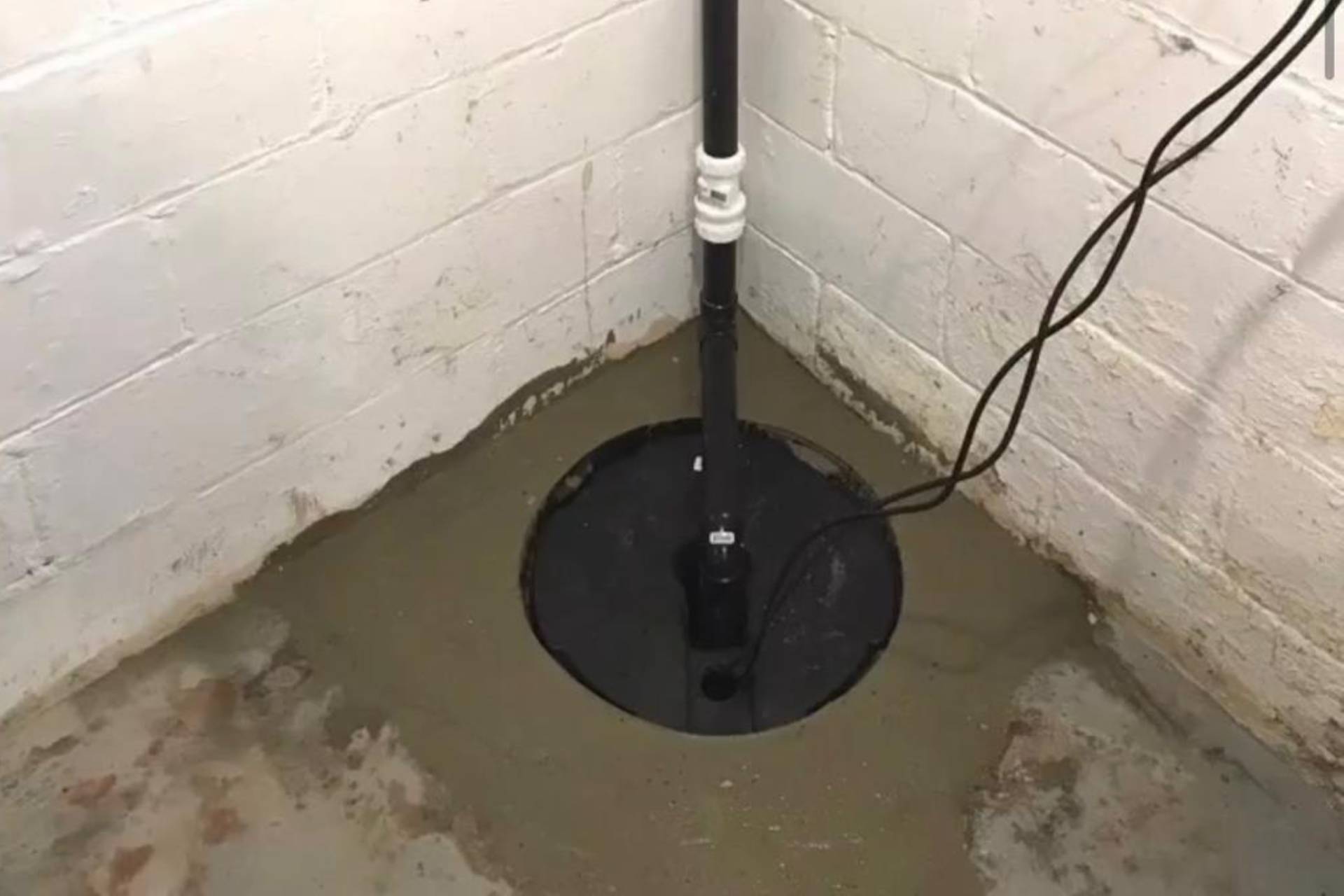
A 1950s ranch here usually has a concrete block basement. Block lets water into its hollow cores, and it comes out at the bottom course and the floor joint. On a ravine lot, the wall facing uphill does most of the leaking, because groundwater moving downslope runs straight into it. We’d generally put in an interior drain along that wall and any adjoining walls that show water, then a sump. If the wall has a horizontal crack and is leaning in, that needs more than drainage, and we’ll say so.
The old farmhouses
Fieldstone or rubble foundations, often a partial basement with a crawlspace beside it. These need a lighter touch. We’d rather manage the water than try to seal stone that was never meant to be watertight. Sometimes the right answer is just regrading and a sump in the low corner.
Down by the river
Lots near the Franklin River sit closer to the water table, and it rises after big storms and stays up. Clear water coming up at the floor joint for days after the rain stops is the signature. A good sump pump with a battery or water-powered backup is non-negotiable on those lots. Storms knock the power out at exactly the wrong time.
One more thing about slopes. When a basement leaks on a hillside lot, people often assume the worst, that the house is moving. It almost never is. What we find is usually a downspout, a buried line that got crushed, or a window well that fills like a bucket. Those are small fixes, and we’d rather start there.
We’re in Shelby Township, about 35 to 40 minutes away depending on traffic on Telegraph. Free estimates, and we answer emergency calls at night.