Berkley, 2014, and why it keeps coming up
If you bought in Berkley after 2014, someone at the closing table probably mentioned the flood. On August 11 of that year roughly 80 percent of households in the city had water in the basement. The city declared a state of emergency and FEMA came in. More than 2,100 claims were filed over that one storm. Then in 2017 it happened again on a smaller scale, with another 257 claims. People here remember.
The reason is mostly underground. Berkley’s sewer is combined, meaning rain and sewage share one pipe, and it runs on gravity alone. There are no pumps in it and no gates or control structures to hold water back. When a storm drops more than the pipes can carry, the water heads back toward whatever is lowest, and in a lot of houses that’s the basement floor drain. The pipes feed the George W. Kuhn district along with 13 other south Oakland communities, so the main is also waiting on everyone upstream.
A town that was built in two waves
Berkley became a village in 1923, growing along the Detroit Urban Railway line, and houses went up so fast that some of them beat the sewers and the electric lines. Then the 1929 crash stopped everything. The village ended up owning about 80 percent of its 6,000 parcels through foreclosure, and a lot of those lots stayed empty until after the war.
That history shows up in basements. Most of Berkley was built in the 1940s and ’50s on concrete block, but there are 1920s houses mixed in on clay tile and early block, sometimes right next door to each other. Block walls leak through the mortar joints and fill up through the hollow cores. Older clay-tile walls tend to weep across a whole face. The fixes are related but not identical, and we’d rather look than guess from the year on the listing.
The clay doesn’t help
Berkley sits on the flat, heavy clay of the old lake plain. Clay holds rain against the wall for days, and the original clay drain tile around most footings silted shut a long time ago. That’s how you end up with a dry floor drain and a wet cove joint two days after the storm passed.
What we’d actually do
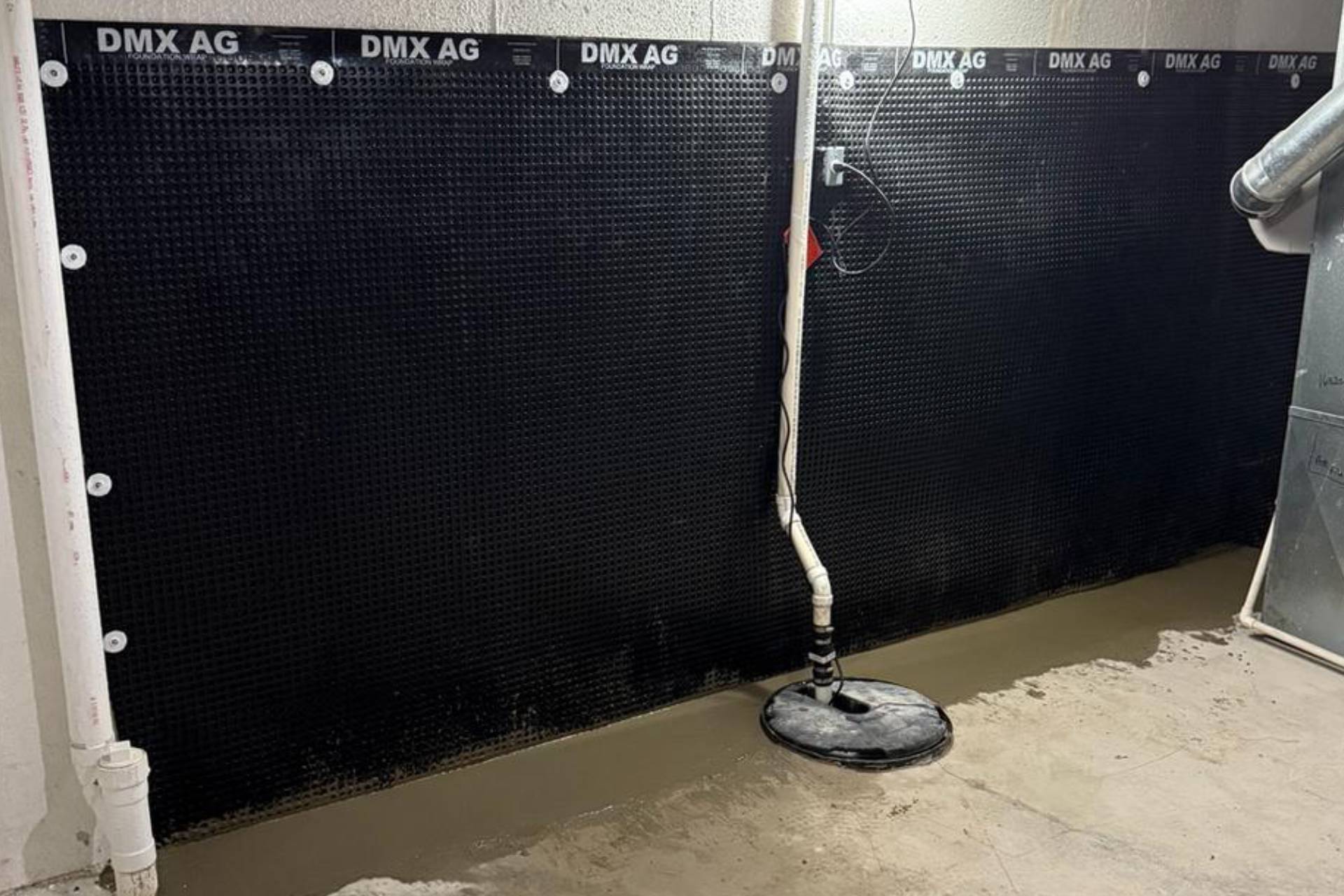
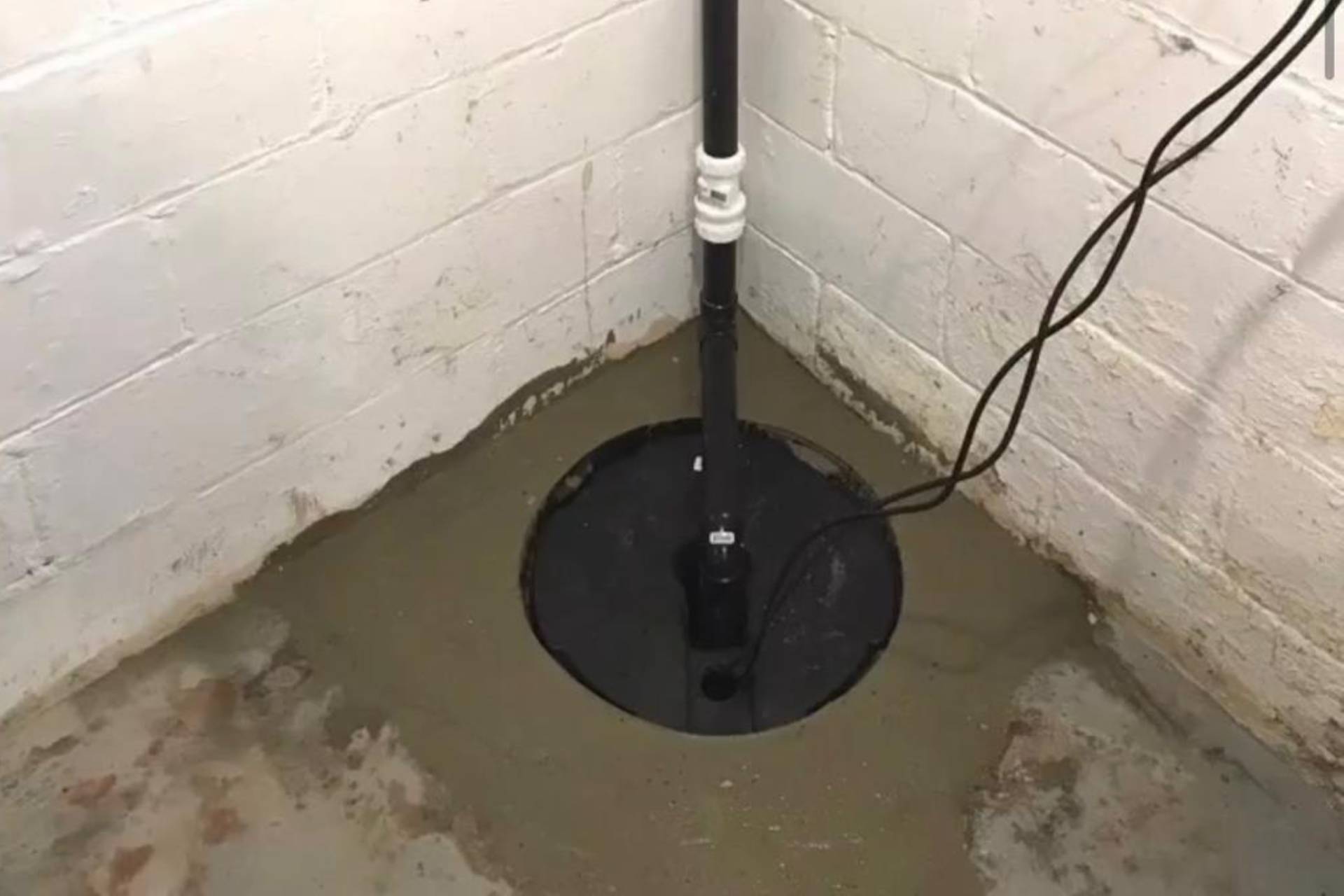
First, a camera down your lateral. Roots, cracked clay and sags all make backups worse. Second, a backwater valve if the floor drain is the entry point, and for most Berkley houses that’s exactly where the water came in during 2014. Only after that do we talk about interior drain tile and a sump, which handle the groundwater side.
Neighbors on Gardner near Cambridge learned the hard way how much the valve matters. After one Monday-night cloudburst the water on Gardner was deep enough to strand a car, and basements on that stretch took sewer water through the floor drains again. One house had a new sewer line to the street. Another was only about a year and a half old. Neither one stopped the backup, because neither had anything to keep the main from pushing back up the pipe.
Get your downspouts off the sewer and out at least six feet. The city has pushed downspout disconnection for years, and every roof you take off the combined system is water that isn’t in the pipe when it’s already full.
And keep the battery on the backup sump charged. The storms that knock out power along Twelve Mile are the same ones that fill the crock.